
Are you interested in basketball officiating and want to know how to start? Becoming a basketball referee involves specific steps, including training, understanding the rules, and obtaining certification. This guide will walk you through the entire process of becoming a sports official in basketball.
Basketball officiating is a rewarding role that requires a strong grasp of basketball rules and regulations, excellent communication skills, and the ability to make quick, fair decisions under pressure. Whether you aspire to officiate youth leagues, high school games, or even aim for collegiate or professional levels, the journey begins with a solid foundation. This comprehensive guide is designed to equip you with the knowledge and steps necessary to embark on your path to becoming a certified referee.
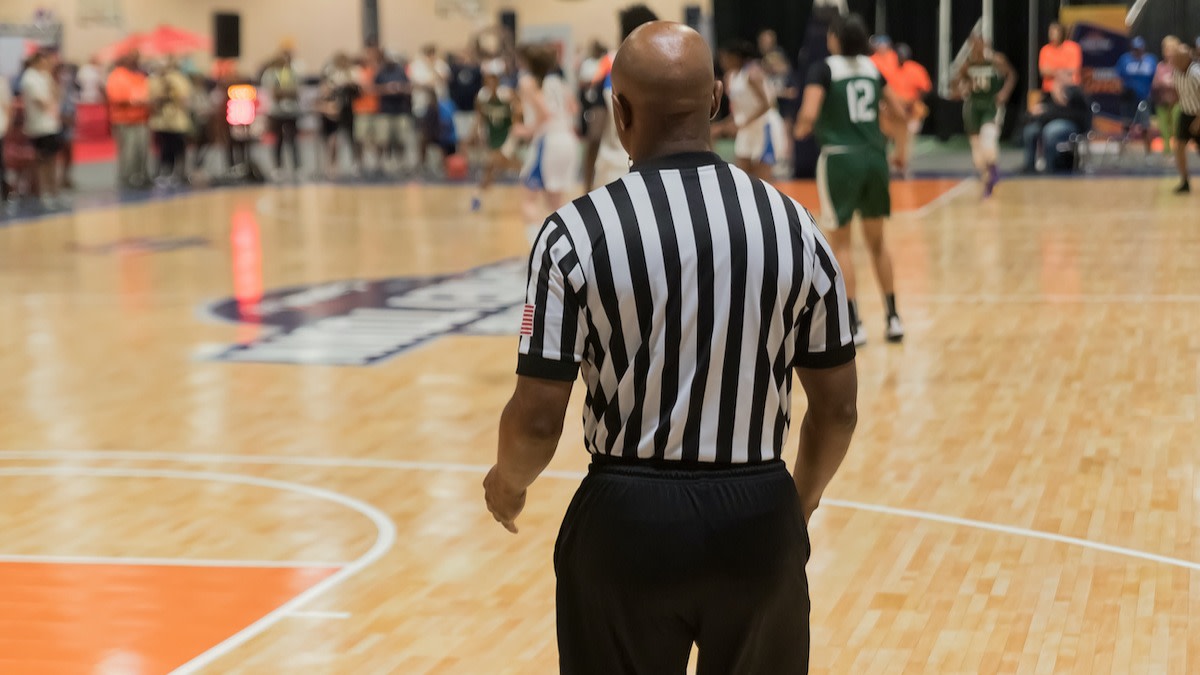
Image Source: images.ctfassets.net
The Appeal of Basketball Officiating
Many people are drawn to basketball officiating for various reasons. It offers a unique perspective on the game, placing you right in the action, but with a different responsibility than a player or coach. You become a crucial part of ensuring fair play and the smooth running of every contest. The intellectual challenge of interpreting basketball rules and regulations in real-time, coupled with the physical demands of staying in position and maintaining visibility, makes it an engaging pursuit. Moreover, it’s a fantastic way to stay connected to the sport you love, even if you’re no longer playing.
Why Become a Referee?
- Stay Involved in the Game: Continue to be a part of the basketball community.
- Develop Critical Skills: Enhance decision-making, problem-solving, and communication abilities.
- Physical Fitness: Refereed games require you to be agile and maintain stamina.
- Earn Income: Officiating can be a flexible way to earn money.
- Contribute to Sportsmanship: Uphold the integrity and spirit of the game.
Your Initial Steps: Research and Preparation
Before you even think about stepping onto the court with a whistle, it’s crucial to do your homework. This phase sets the stage for your entire officiating career.
4.1. Familiarize Yourself with Basketball Rules
This is non-negotiable. You must have a deep and accurate knowledge of the official rules. This includes the nuances of fouls, violations, scoring, timekeeping, and player conduct.
- Rulebooks: Obtain the official rulebook for the level of basketball you intend to officiate (e.g., NFHS for high school, NCAA for college, FIBA for international play). These are your primary references.
- Study: Dedicate time to read, re-read, and memorize the rules. Pay close attention to interpretations and exceptions.
- Play and Watch: Observe games critically. How do referees apply the rules? What situations do they encounter?
4.2. Seek Mentorship and Guidance
Learning from experienced officials is invaluable. They can offer practical advice, share their experiences, and guide you through the early stages.
- Local Associations: Connect with local basketball officiating associations. They are often the gateway to training and assignments.
- Experienced Officials: If you know any referees, reach out to them. Ask questions, observe their techniques, and express your interest in learning.
The Core of Referee Training: Learning the Craft
Referee training is the backbone of becoming a competent official. It’s where you transform rulebook knowledge into practical application on the court. This isn’t just about knowing the rules; it’s about applying them consistently and fairly.
5.1. Attend Officiating Clinics and Camps
These structured programs are designed to teach you the essential skills of basketball officiating. They often cover rule interpretations, officiating mechanics, and game management strategies.
- What to Expect: Clinics typically involve classroom sessions for rule study and mechanics, as well as on-court drills where you practice your positioning, signaling, and communication.
- Finding Clinics: Look for clinics hosted by state high school athletic associations, collegiate officiating associations, or reputable private organizations.
5.2. Mastering Officiating Mechanics
Officiating mechanics refer to the specific movements, positioning, and signals referees use during a game. These techniques are standardized to ensure clarity and consistency.
- Key Mechanics:
- Positioning: Where you should be on the court relative to the ball and players. This ensures you have the best view of the action.
- Footwork: How to move efficiently around the court without interfering with play.
- Hand Signals: Standardized signals for calling fouls, violations, and administering the game.
- Whistle Technique: The proper use of your whistle – its sound and timing.
- Reporting: How to report fouls and violations to the scorer and table officials.
- Practice: Mechanics are learned through repetition. You’ll spend hours practicing these movements, often in drills that simulate game situations.
5.3. Developing Game Management Skills
Beyond the rules and mechanics, effective basketball game management is crucial. This involves controlling the tempo of the game, managing player and coach interactions, and ensuring a safe environment.
- Communication: Clear, concise, and respectful communication with players, coaches, and fellow officials is paramount.
- Conflict Resolution: Learning how to de-escalate tense situations and manage sideline behavior is a key aspect.
- Teamwork: Basketball officiating is a team effort. Working effectively with your partner(s) is vital for coverage and consistency.
Certification: Your Official Entry Point
Referee certification is the formal process that validates your knowledge and skills, allowing you to officiate sanctioned games. The specific requirements for certification vary by state and governing body.
6.1. Understanding Certification Requirements
- Governing Bodies: Most states have an athletic association (e.g., IHSA in Illinois, UIL in Texas) that oversees officials for high school sports.
- Local Associations: Many local officiating associations also offer their own certification or training programs.
- Written Exams: You will typically need to pass a written test on the rules.
- Practical Evaluations: Some certifications may require a practical evaluation of your mechanics and game management skills.
6.2. The Process of Becoming Certified
- Join an Association: Identify and join your local basketball officiating association.
- Attend Training: Participate in required training sessions or clinics.
- Pass Exams: Successfully complete any written or practical exams.
- Pay Fees: There are usually annual fees associated with maintaining your certification.
- Background Checks: In many cases, particularly for youth sports, you will need to undergo a background check.
The Path to Advancement: Gaining Experience
Once you are certified, the real work of honing your craft begins. Gaining experience is essential for improving your skills and potentially moving up to higher levels of competition.
7.1. Starting at the Grassroots Level
- Youth Leagues: Begin by officiating youth league games (e.g., elementary, middle school). These games provide excellent opportunities to practice your mechanics and decision-making in a less intense environment.
- Scouting: Be open to being scouted and receiving constructive feedback.
7.2. Progression Through Levels
- High School: As you gain confidence and demonstrate competence, you can aim to officiate high school games. This often requires a higher level of certification and performance.
- Collegiate and Beyond: For those with exceptional skills and dedication, opportunities at the collegiate, professional, or international levels may exist. This often involves participation in specialized sports officiating courses and rigorous evaluation processes.
7.3. Continuous Learning and Development
The learning process never truly stops for an official. The game evolves, and so should your knowledge and skills.
- Review Rule Changes: Stay updated on any rule modifications or interpretations that occur annually.
- Attend Advanced Clinics: Participate in advanced training sessions that focus on specific aspects of officiating or prepare you for higher levels.
- Seek Feedback: Actively solicit feedback from assignors, observers, and fellow officials.
- Self-Critique: Watch game film of yourself or your partners to identify areas for improvement.
Essential Equipment for Basketball Referees
Having the right gear is not just about looking professional; it’s about functionality and comfort.
8.1. The Referee Uniform
- Jerseys: Typically black and white striped shirts, though some organizations may allow solid black or blue. Ensure they meet the required specifications.
- Pants: Black or dark grey referee pants.
- Shoes: Comfortable, supportive athletic shoes that are typically black or dark-colored.
- Socks: Black athletic socks.
8.2. Essential Referee Accessories
- Whistle: A reliable, loud whistle is crucial. Many referees carry two.
- Lanyard: To attach your whistle.
- Indicator: A mechanical device used to count fouls and team fouls.
- Scorecard/Notebook: For recording information and notes.
- Pen/Pencil: For your scorecard.
- Flip Coin: For coin tosses before games.
- Referee Bag: To carry all your equipment.
- Timer: A stopwatch or digital timer.
The Role of the Referee in Basketball Game Management
Basketball game management is a broad term that encompasses everything an official does to ensure a game runs smoothly and fairly. It’s about more than just calling fouls.
9.1. Pre-Game Responsibilities
- Arrival: Arrive early to the venue.
- Equipment Check: Ensure all your equipment is present and functional.
- Court Inspection: Quickly check the court for any safety hazards.
- Pregame Meeting: Meet with your officiating partner(s) to discuss game strategies, responsibilities, and any specific points of emphasis.
- Coach Meeting: Briefly meet with coaches to confirm rosters, answer any immediate questions, and establish expectations.
9.2. In-Game Management
- Consistent Application of Rules: The most critical aspect is applying basketball rules and regulations consistently and fairly.
- Positional Awareness: Maintain proper positioning to have the best view of the play.
- Clear Signaling: Use distinct hand signals to communicate calls to players, coaches, and scorers.
- Verbal Communication: Use appropriate verbal cues and signals when interacting with players and coaches.
- Pacing the Game: Manage the flow of the game, keeping it moving efficiently between plays.
- Handling Substitutions: Ensure substitutions are legal and handled correctly.
9.3. Post-Game Responsibilities
- Scorecard Verification: Ensure the scorekeeper has accurately recorded the game’s outcome.
- Debrief with Partner: Briefly discuss the game with your officiating partner, highlighting any key moments or learning opportunities.
- Reporting: Submit any required game reports or incident reports.
Becoming a Sports Official: Beyond Basketball
While this guide focuses on basketball, the principles of becoming a sports official are similar across many sports. If you develop a passion for officiating, you might explore opportunities in other sports as well. Many skills, such as rule interpretation, officiating mechanics, and game management, are transferable. Umpire training for sports like baseball or softball, or referee training for soccer or football, follows a similar pattern of rule study, skill development, and certification.
Frequently Asked Questions (FAQ)
Q1: How old do I need to be to become a basketball referee?
Typically, you need to be at least 16 or 18 years old, depending on the governing body or organization you are joining. Some youth leagues may have slightly lower age requirements for their junior officials.
Q2: How much do basketball referees get paid?
Pay rates vary significantly based on the level of play (youth, high school, college, professional), the assigning body, the length of the game, and your experience. Generally, higher levels of play and more experienced referees command higher pay.
Q3: What are the most important qualities of a good basketball referee?
Key qualities include integrity, fairness, decisiveness, good judgment, excellent communication skills, physical fitness, the ability to stay calm under pressure, and a deep knowledge of basketball rules and regulations.
Q4: Do I need prior playing experience to become a referee?
While prior playing experience can be beneficial, it is not always a strict requirement. Many successful referees have played the game, but dedication to learning the rules and mechanics is more critical.
Q5: How long does it take to become a certified referee?
The timeline can vary. You can often become certified to officiate youth or lower-level games within a few months of starting your training. Advancing to higher levels, like high school or college, requires consistent experience and ongoing development, which can take several years.
Q6: What is the difference between a referee and an umpire?
While the terms are sometimes used interchangeably in casual conversation, “referee” is the standard term for officials in sports like basketball, soccer, and football. “Umpire” is typically used for officials in sports like baseball, softball, and tennis. The core duties of ensuring fair play and enforcing rules are similar.
Q7: Where can I find sports officiating courses?
You can find sports officiating courses through state high school athletic associations, collegiate officiating organizations, national officiating associations, and sometimes through local community colleges or sports leagues. Online resources and clinics are also increasingly available.
Q8: How important is officiating mechanics?
Officiating mechanics are absolutely vital. They are the standardized actions and positioning that allow referees to see plays clearly, communicate effectively, and apply the rules consistently. Good mechanics are the foundation of reliable officiating.
By following these steps and committing to continuous learning, you can successfully navigate the path to becoming a certified referee and enjoy a fulfilling role in the world of basketball.