
Does basketball court paint wear out? Yes, basketball court paint definitely wears out over time due to constant use, friction from shoes, cleaning products, and environmental factors. This wear and tear is why regular basketball court maintenance and periodic basketball court refinishing are crucial for both appearance and safety.
The vibrant colors and crisp lines you see on a basketball court aren’t just for show; they are the result of a carefully chosen and applied sports floor painting system designed to withstand heavy use. But what exactly happens to this paint, and how does it change over time? It’s a fascinating blend of chemistry, physics, and practical application. This article dives deep into the science behind why and how basketball court paint changes, from the initial application to the eventual need for court resurfacing.
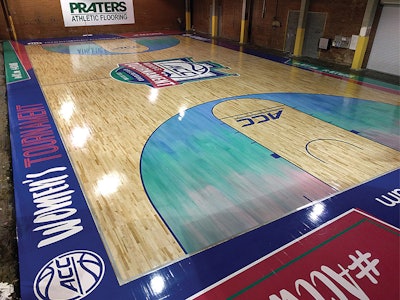
Image Source: img.woodfloorbusiness.com
The Foundation: Preparing the Surface
Before any paint touches a basketball court, the foundation must be perfect. This preparation is key to how paint adheres and lasts. Think of it like building a house; a strong foundation means a lasting structure.
Why Preparation Matters
- Adhesion: Paint needs something to stick to. A clean, smooth, and properly prepared surface ensures the paint bonds well. If the surface is dirty, oily, or dusty, the paint can peel or chip easily.
- Durability: A well-prepped surface allows for a more even and thorough application of coatings, which contributes to the overall strength and longevity of the painted lines and court color.
- Appearance: Smooth surfaces mean smooth paint jobs, resulting in sharp, clear lines and consistent color across the entire court.
Key Preparation Steps
- Cleaning: This is the most vital step. Dirt, grime, old wax, or previous finishes must be completely removed.
- Deep Cleaning: For old courts, this often involves specialized cleaners and sometimes even scrubbing machines. If the court has been waxed or sealed, this wax layer needs to be stripped.
- Dust Removal: After cleaning and any repairs, the court must be meticulously dusted. A simple sweep isn’t enough; vacuuming with a good quality vacuum cleaner is essential.
- Sanding: For hardwood court refinishing, sanding is a critical part of the process.
- Removing Old Finish: Sanding removes any existing paint, sealers, or worn-out topcoats. This also helps to smooth out minor imperfections and create a uniform surface.
- Creating a Profile: Sanding also creates a slight “tooth” or profile on the wood, which gives the new paint and coatings a better surface to grip.
- Repairing Damage: Any cracks, gouges, or loose boards need to be fixed.
- Filling Gaps: Wood filler is used for small cracks.
- Board Replacement: Larger damage might require replacing entire boards.
- Leveling: Any raised seams or uneven areas are typically sanded down to ensure a flat playing surface.
The Science of Basketball Court Paint
Basketball court paint is not just any paint. It’s a specialized formulation designed for high performance on wood or synthetic surfaces. The most common type used for gymnasium floor coatings is an acrylic court paint.
Acrylic Court Paint: The Workhorse
Acrylic paints are water-based, which makes them easier to clean up and less toxic than older oil-based paints. But their true strength lies in their binder.
- The Binder: The binder is the component of the paint that holds the pigment particles together and forms a film when the paint dries. In acrylic paints, this is a polymer (a long chain of molecules).
- Acrylic Polymers: These polymers form a tough, flexible, and durable film. They are resistant to abrasion (wear from shoes), UV light (though less of an issue indoors), and chemicals (like cleaning solutions).
- How it Works: When the water in the paint evaporates, the acrylic polymer particles come together and fuse, creating a continuous, hard layer.
Pigments: The Color
The vibrant colors of a basketball court come from pigments.
- Inorganic Pigments: These are often metal oxides or salts and are known for their durability and resistance to fading. For example, titanium dioxide is used for white, and iron oxides can be used for reds and browns.
- Organic Pigments: These are carbon-based compounds and can offer brighter, more intense colors. However, some organic pigments might be less resistant to UV light or harsh chemicals.
- Pigment Distribution: For even color, the pigments must be uniformly dispersed within the paint binder.
Additives: Enhancing Performance
Beyond the binder and pigment, various additives are mixed into the paint to improve its properties.
- Fillers: These are inert materials that add bulk and opacity to the paint, improving its coverage and durability.
- Dispersants: These help keep the pigment particles suspended evenly in the liquid, preventing them from clumping.
- Thickeners: These control the paint’s viscosity, affecting how it flows and applies.
- Anti-Foaming Agents: These prevent bubbles from forming during application.
- Slip Agents: These can be added to control the slipperiness of the final coating, which is crucial for athlete safety.
The Painting Process: Layer by Layer
A basketball court paint job is rarely a single coat. It’s a multi-layered system, with each layer serving a specific purpose.
1. Sealer/Primer (If Needed)
For bare wood, a sealer or primer might be applied first.
- Purpose: It seals the wood grain, preventing the topcoats from soaking in too deeply, which would lead to uneven color and reduced durability. It also provides a uniform surface for better adhesion.
- Composition: Sealers are often thinner than topcoats and might contain solvents that help them penetrate the wood slightly.
2. Base Coat(s)
This is where the primary court color is applied.
- Function: Provides the main color and coverage for the court. Multiple thin coats are usually better than one thick coat for durability and a smooth finish.
- Drying Time: Acrylic paints need adequate drying time between coats for the polymers to form a strong film. Rushing this can trap moisture and weaken the coating.
3. Line Painting
This is where the precision comes in. Court line painting uses specialized paints, often a different formulation to ensure sharp edges.
- Masking: High-quality masking tape is essential to create crisp lines. The tape must adhere well to the base coat without allowing paint to bleed underneath.
- Paint Type: Line paints are typically high-solids acrylics that dry quickly and form a tough film. They need to be resistant to scuffing from shoes pivoting and dragging.
- Application: Lines are often applied with specialized line-marking machines or brushes for accuracy.
4. Top Coat/Protective Coating
This is the final, crucial layer that protects everything underneath.
- Purpose: This layer is designed to be the first line of defense against court wear and tear. It adds significant durability, scuff resistance, and gloss.
- Composition: Topcoats often contain harder acrylic resins or even polyurethane components for extreme durability. They might also include anti-slip additives for player safety.
- Gloss Level: The gloss level of the topcoat can affect the perceived brightness of the court and also its traction. A satin or semi-gloss finish is common.
How Paint Changes Over Time: The Science of Wear and Tear
Even the best-formulated paint will degrade under the constant stress of a basketball court. This degradation is a multifaceted process involving chemical and physical changes.
1. Abrasion and Scuffing
This is the most visible form of wear and tear.
- Mechanism: The constant friction from sneakers, especially when players pivot, drag their feet, or slide, wears away at the paint’s surface.
- Science Involved: The acrylic binder, while strong, has a finite limit to its abrasion resistance. Microscopic particles of paint are literally scraped off by the shoe soles. This can lead to:
- Loss of Gloss: The smooth, glossy surface becomes dull and scratched.
- Color Fading/Wearing: As the top layer wears away, the color underneath becomes visible, or the pigment itself can be abraded.
- Scuff Marks: These are often dirt or rubber particles from shoes embedded in or deposited on the paint surface. While sometimes removable with cleaning, repeated scuffing can physically abrade the paint itself.
2. Chemical Degradation
Exposure to cleaning agents and sweat can also impact the paint.
- Cleaning Solvents: While designed to be durable, harsh cleaning chemicals (especially those with strong solvents or high pH levels) can slowly break down the acrylic binder over time. This can make the paint softer, more prone to scratching, or even cause it to lift.
- Sweat and Moisture: Sweat is slightly acidic and can also contain salts. Prolonged contact, especially if not wiped up quickly, can slowly degrade the protective coatings. Moisture trapped under the paint (e.g., from spills or poor ventilation) can also lead to delamination or mold growth if the subfloor isn’t properly sealed.
- UV Radiation (Less Common Indoors): If a court is exposed to direct sunlight, UV radiation can break down polymer chains in the paint, leading to chalking and fading. However, this is less of a concern for most indoor courts.
3. Impact and Chipping
While basketball courts are designed for impact, dropped equipment or sharp objects can cause damage.
- Mechanism: A sharp impact can create stress points in the paint film. If the stress exceeds the binder’s tensile strength, the paint can crack or chip.
- Substrate Influence: The underlying substrate (wood, concrete) also plays a role. If the substrate is less flexible, it can contribute to paint chipping under impact.
4. Dirt and Contamination
This is less about the paint changing chemically and more about its appearance being obscured.
- Mechanism: Dust, dirt, food particles, and other debris get tracked onto the court. These particles get embedded in the paint or adhere to the surface.
- Effect: This dulls the appearance, can make lines less visible, and can contribute to the abrasive wear as dirt particles act like fine sandpaper underfoot.
5. Color Fading and Yellowing
Over long periods, even the pigments and binders can change color.
- Pigment Stability: As mentioned, pigment stability varies. Less stable pigments can fade or change hue when exposed to light or chemicals.
- Binder Degradation: Some binders can yellow over time, especially if exposed to heat or certain chemicals, altering the overall color of the court.
Restoring the Court: Refinishing and Resurfacing
When court wear and tear becomes significant, basketball court refinishing or court resurfacing becomes necessary.
Basketball Court Refinishing
This is the process of cleaning, repairing, and repainting an existing court.
- When it’s needed: When the paint is worn, scratched, scuffed, or dirty, but the underlying surface is still structurally sound.
- Process:
- Thorough cleaning and stripping of old finishes/contaminants.
- Sanding (especially for hardwood) to remove the old topcoat and create a fresh surface.
- Repairing any minor damage like cracks or gouges.
- Applying new layers of sealer, base coat, court line painting, and protective topcoat.
- Benefits: Restores appearance, improves safety, and extends the life of the court.
Court Resurfacing
This is a more extensive process, often involving repairs to the subfloor or the application of new seamless coatings.
- When it’s needed: When there are significant structural issues with the court surface itself, such as deep gouges, unevenness, or damage to the subfloor (especially in wooden courts). It can also be an option for courts that have been refinished many times.
- Process:
- May involve significant repair or replacement of damaged flooring material.
- Application of specialized patching compounds and leveling agents.
- Often followed by a high-performance coating system that might include multiple layers of flexible coatings, sealers, and tough topcoats. For synthetic courts, this might involve recoating with a new layer of urethane or acrylic. For wood, it could mean a full sanding down to bare wood and a complete recoating.
- Benefits: Addresses structural issues, provides a like-new surface, and can significantly upgrade performance and appearance.
Factors Influencing Paint Longevity
Several factors determine how long basketball court paint will last before needing attention.
| Factor | Impact on Paint Longevity |
|---|---|
| Usage Frequency | Higher traffic and more frequent games mean faster wear and tear. |
| Type of Footwear | Shoes with aggressive tread patterns or certain rubber compounds can cause more scuffing and abrasion. Non-marking soles are crucial. |
| Cleaning and Maintenance | Regular, proper cleaning with approved solutions prevents dirt buildup and chemical damage. Improper cleaning can accelerate degradation. |
| Paint Quality | Higher-quality acrylic court paint and gymnasium floor coatings with better binders and additives will naturally last longer. |
| Application Quality | Proper surface preparation, correct number of coats, and adequate drying times are vital for the paint system to perform as intended. |
| Environmental Factors | While less critical indoors, extreme temperature fluctuations or high humidity can stress the coating system over time. |
| Player Techniques | Aggressive play styles involving a lot of sliding, dragging feet, or sharp pivots will cause more immediate wear. |
| Quality of Protective Coatings | The final layer of protective coatings for basketball courts is designed to take the brunt of the wear. A robust topcoat significantly extends the life of the underlying paint layers and lines. |
The Science Behind Sharp Lines
Court line painting is a specialized skill, and the science behind achieving sharp, durable lines involves both materials and technique.
Material Properties for Lines
- Viscosity: Line paints are often formulated with a slightly higher viscosity than the base coat to prevent them from spreading too much once applied.
- Drying Speed: Faster drying times are essential to avoid smudging when tape is removed or when the court is immediately used.
- Adhesion and Cohesion: The paint must adhere strongly to the base coat and have good cohesion within itself to resist chipping and peeling, especially at the edges where they are frequently crossed by shoes.
- Color Brightness: High-quality pigments are used to ensure the lines remain bright and highly visible, contrasting effectively with the court’s base color.
Technique Matters
- Masking: The precision of the masking tape is paramount. It must create a perfect seal against the underlying paint. Any imperfections in taping will result in fuzzy or bleeding lines.
- Application Pressure: Applying the line paint with consistent pressure ensures an even film thickness.
- Tape Removal: Removing the tape at the right time – when the paint is dry to the touch but not fully cured – helps prevent the paint from lifting with the tape.
Frequently Asked Questions (FAQ)
Q1: How often should a basketball court be refinished?
A: This depends on usage, but typically, a refinish is needed every 2-5 years. A full court resurfacing might be needed less often, perhaps every 10-15 years, depending on the initial quality and maintenance.
Q2: Can I paint a basketball court myself?
A: While possible for smaller areas or temporary solutions, achieving professional results for sports floor painting, especially with crisp lines, is challenging without experience and specialized equipment. The durability of the finish depends heavily on proper surface preparation and application techniques.
Q3: What is the best type of paint for a basketball court?
A: High-quality acrylic court paint specifically designed for sports floors is the standard. For maximum durability and protection, a system that includes a good primer, durable base coats, and a robust protective coating for basketball courts is ideal.
Q4: How do I clean a painted basketball court?
A: Always use pH-neutral cleaners specifically recommended for gym floors. Avoid abrasive pads or harsh chemicals, as these can damage the paint and its protective coatings. Damp mopping is generally preferred over wet mopping.
Q5: What causes squeaking sounds on a basketball court?
A: Squeaking is often caused by the friction between a player’s shoes and the court surface. It can be exacerbated by a worn-out finish, too much polish, or dirt buildup. Sometimes, a slight adjustment to the gymnasium floor coatings or a deep cleaning can resolve this.
Conclusion
The vibrant, dynamic appearance of a basketball court is a testament to the science of sports floor painting and basketball court maintenance. From the careful preparation of the substrate to the specialized formulations of acrylic court paint and gymnasium floor coatings, each step is designed for performance and longevity. Over time, the relentless forces of court wear and tear — abrasion, chemical exposure, and impact — gradually alter the paint’s integrity. Recognizing these changes and understanding the processes of basketball court refinishing and court resurfacing is key to preserving these essential playing surfaces for athletes to enjoy safely and effectively. By adhering to proper maintenance and knowing when to invest in professional restoration, the science behind the paint ensures the court remains a stage for athleticism for years to come.