
The question of why a disproportionate number of professional basketball players are Black is a complex one with no single, simple answer. While genetics may play a minor role in certain physical attributes, it is far from the sole determinant. Instead, a confluence of socioeconomic factors, cultural influence, opportunity, historical context, discrimination, representation, bias, and social stratification all contribute to this observable reality in the sport.
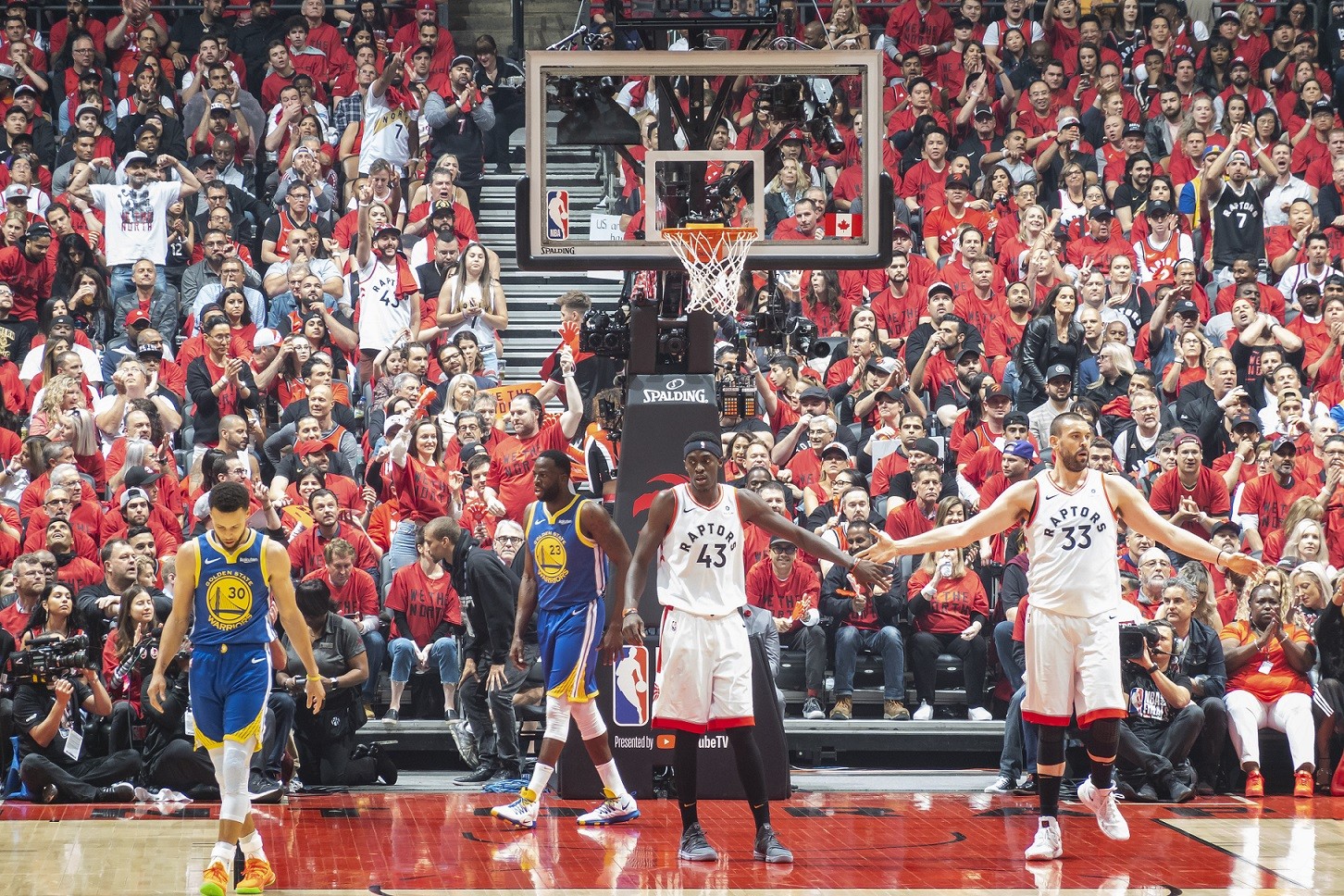
Image Source: content.presspage.com
The Interplay of Factors
To truly grasp the prevalence of Black athletes in basketball, we must look beyond superficial observations and delve into the intricate web of societal influences that shape athletic participation and success.
A Look at Athleticism and Physical Traits
When people observe the dominance of Black athletes in basketball, the first thought often turns to athleticism. Indeed, certain physical characteristics associated with many individuals of African descent, such as long limbs, explosive power, and agility, can be advantageous in basketball. However, it’s crucial to avoid oversimplification.
Innate Advantages?
- Height: While height is a significant advantage in basketball, it is not exclusive to any single racial group. People of all backgrounds can be tall.
- Vertical Leap: Studies have explored potential genetic predispositions for higher vertical leaps, but these are not universally present and are influenced by training.
- Body Composition: Certain body types might lend themselves better to the demands of basketball, but again, these are not confined to one race.
It’s important to remember that athleticism is a broad term encompassing a range of physical abilities, and talent exists across all demographics. Attributing success solely to inherent physical traits ignores the dedication, training, and environmental factors that foster athletic development.
Socioeconomic Factors and Opportunity
The socioeconomic landscape plays a pivotal role in shaping athletic pathways, and basketball has historically provided a unique avenue for upward mobility for many Black communities.
The “Dream” of Basketball
- Limited Resources, Focused Investment: In communities facing economic hardship, organized sports like basketball can represent a more accessible and less expensive path to athletic development compared to sports requiring extensive equipment or private coaching. Basketball courts are often found in public parks and community centers, making them readily available.
- Pathways to Higher Education: A strong performance in basketball can lead to athletic scholarships for college, a critical stepping stone for individuals who might otherwise face significant financial barriers to higher education. This “college dream” fueled by sports is a powerful motivator.
- Professional Aspirations: The visibility of highly successful Black NBA players creates aspirational figures. For young people in underserved communities, seeing individuals who have achieved immense success and financial security through basketball can be incredibly inspiring, fostering a strong desire to emulate them.
The concentration of opportunity in basketball for certain demographics is directly linked to these socioeconomic realities. When other avenues for advancement are limited, sports can become a primary focus.
Cultural Influence and Social Stratification
Basketball isn’t just a sport; it’s deeply embedded in the cultural fabric of many Black communities, influencing everything from leisure activities to identity.
Basketball as a Cultural Cornerstone
- Community and Belonging: Basketball courts often serve as hubs for social interaction and community building. Playing the game becomes a shared experience that fosters a sense of belonging.
- Role Models and Mentorship: The presence of successful Black coaches, trainers, and players provides invaluable mentorship and role models, guiding younger generations through the complexities of the sport and life.
- Identity Formation: For many young Black men, excelling in basketball can be a significant part of their identity, a way to express themselves and gain recognition and respect.
This deep cultural influence can lead to a greater emphasis on basketball within these communities, encouraging more participation and dedication from an early age. Furthermore, social stratification can inadvertently funnel talent into specific areas where perceived opportunities for success are greatest.
Historical Context and Discrimination
The historical journey of Black Americans, marked by periods of significant discrimination, has also shaped their engagement with various sports, including basketball.
The Evolution of Access
- Early Exclusion: In the early days of organized sports, many leagues and teams were segregated, limiting opportunities for Black athletes. Sports where physical prowess was a primary factor, and where there were fewer barriers to entry in terms of equipment or specialized facilities, often became more accessible.
- Breaking Barriers: As barriers began to fall, basketball, with its urban accessibility and emphasis on individual skill and teamwork, proved to be a sport where Black athletes could shine and overcome historical disadvantages.
- Legacy of Influence: The pioneers who broke through racial barriers in basketball paved the way for future generations, creating a legacy of Black excellence that continues to inspire and attract talent.
The historical context of overcoming discrimination has created a pathway in basketball that is now deeply ingrained.
Representation and Bias
The visible representation of Black athletes at the highest levels of basketball has a profound impact on who plays the game and who aspires to play it.
Seeing is Believing
- Inspiration and Aspiration: When young people see individuals who look like them achieving extraordinary success in a sport, it makes that dream seem attainable. This is particularly true for Black youth who may have fewer role models in other professions due to systemic bias.
- Media Portrayal: The media’s focus on dominant Black players in basketball reinforces the sport’s association with Black excellence, further encouraging participation.
- Shifting Perceptions: As more Black athletes excel, perceptions of who is “naturally” gifted in basketball can become skewed, potentially leading to unconscious bias in talent identification and recruitment.
This cycle of representation is powerful. It creates a feedback loop where success breeds more interest, which in turn leads to more talent development, and ultimately, more success.
Factors Favoring Basketball
Beyond the specific influences on Black communities, several inherent characteristics of basketball itself make it a particularly appealing and accessible sport.
Accessibility and Simplicity
- Low Barrier to Entry: All you truly need to play basketball is a ball and a hoop. This makes it far more accessible than sports requiring expensive equipment (like hockey or tennis) or large, dedicated facilities (like football or soccer fields). Public parks and schoolyards are often equipped with basketball courts, making them ubiquitous.
- Urban Appeal: Basketball’s dynamic, fast-paced nature and its roots in urban environments have made it a popular pastime in cities, where many Black communities are concentrated.
- Teamwork and Individual Skill: The game balances the need for individual athleticism and skill with the importance of teamwork, appealing to a wide range of personalities and abilities.
These intrinsic qualities of the sport align well with the accessibility and communal aspects that have become important within many Black communities due to socioeconomic factors and cultural influence.
Addressing the Nuances: Beyond Stereotypes
It’s crucial to avoid essentialist arguments that suggest Black people are inherently superior athletes due to their race. This is a harmful oversimplification that ignores the complex interplay of the factors discussed above.
Deconstructing the “Natural Talent” Myth
- Nature vs. Nurture: While genetics might offer subtle predispositions, the overwhelming evidence points to nurture—environment, culture, opportunity, and dedication—as the primary drivers of athletic success.
- The Role of Practice: Elite athletic performance is the result of countless hours of rigorous training, coaching, and strategic development. This dedication is not race-specific.
- Confounding Variables: Focusing solely on race ignores how socioeconomic factors and cultural influence can concentrate talent and dedication in particular sports within specific communities.
The perception of “natural talent” is often a result of observing highly developed skills that have been cultivated through specific environmental and social conditions.
The Broader Societal Picture
The prevalence of Black athletes in basketball is not an isolated phenomenon. Examining other sports can offer further insights into social stratification and the distribution of talent and opportunity.
Sports and Social Stratification
- Basketball and Track & Field: These sports often see high participation rates from Black athletes, partly due to their accessibility and historical emphasis on individual physical prowess.
- Baseball and American Football: While these sports also have significant Black participation, historical and ongoing bias, along with different socioeconomic pathways, have influenced the demographics in different ways.
- Sports with Higher Economic Barriers: Sports like golf, tennis, and swimming, which often require significant financial investment in equipment, coaching, and access to specialized facilities, tend to have lower Black participation rates. This highlights how socioeconomic factors and discrimination can limit access and opportunity.
The patterns observed across different sports underscore the powerful influence of societal structures, historical legacies, and the availability of opportunity on who participates and excels.
The Future of Basketball and Diversity
As society evolves and socioeconomic factors shift, the demographic landscape of basketball may also change.
Promoting Inclusivity
- Grassroots Development: Continued investment in grassroots basketball programs across all communities can ensure that talent is identified and nurtured regardless of background.
- Combating Bias: Conscious efforts to combat bias in scouting, coaching, and media coverage are essential to ensure fair representation and opportunity for all aspiring athletes.
- Expanding Opportunities: Creating more pathways and support systems for athletes in sports beyond basketball can foster greater overall diversity in athletics.
The goal should be a sporting world where talent and hard work are the primary determinants of success, free from the limitations imposed by social stratification, discrimination, and lack of opportunity.
Frequently Asked Questions (FAQ)
Q1: Is it true that Black people are genetically more athletic?
A1: The concept of race as a biological category that dictates athletic ability is not supported by science. While there might be some genetic variations within populations that can influence physical traits, these variations are far more significant within any given racial group than between them. Athleticism is a complex trait influenced by a myriad of genetic, environmental, and cultural factors, and attributing it to race is an oversimplification and often a form of bias.
Q2: Does basketball offer more socioeconomic opportunities for Black youth?
A2: For some Black youth, particularly those from underserved communities, basketball can indeed represent a significant pathway to socioeconomic advancement. A successful basketball career can lead to college scholarships and professional opportunities that might otherwise be inaccessible. This is often a result of socioeconomic factors and the historical concentration of opportunity in this sport.
Q3: How has historical discrimination impacted Black involvement in sports?
A3: Historically, discrimination limited opportunities for Black individuals in many areas, including sports. As certain sports became more accessible and allowed for greater expression of individual athleticism, they attracted significant Black participation. Basketball, with its urban roots and relatively low barriers to entry, became a prominent example. The legacy of overcoming these historical contexts of discrimination continues to influence participation and perception.
Q4: Is there bias in how talent is identified in basketball?
A4: Bias, both conscious and unconscious, can influence talent identification and recruitment in sports. If there is a strong representation of a particular group in a sport, it can inadvertently create a bias that favors individuals from that group, potentially overlooking equally talented individuals from other backgrounds. Addressing these biases is crucial for ensuring fair opportunity.
Q5: What role does cultural influence play in the popularity of basketball among Black communities?
A5: Cultural influence is significant. Basketball is often deeply integrated into the social fabric of many Black communities, serving as a source of pride, social connection, and aspirational role models. This strong cultural connection encourages widespread participation and dedication from a young age.