
Wondering about the income of basketball officials? The amount varies greatly depending on the league, experience, and other factors, but generally, basketball officials can earn anywhere from minimum wage for entry-level youth games to over $500,000 annually for elite NBA referees. This post will delve into the specifics of basketball referee salary across different levels, from local high school basketball official salary to the pinnacle of the sport. We’ll explore NBA referee pay, WNBA official earnings, college basketball ref pay, and the basketball officiating rates that govern these crucial roles.
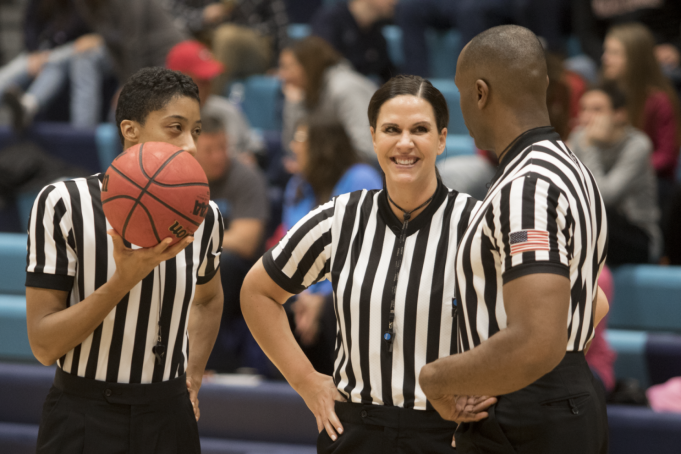
Image Source: www.referee.com
Deciphering Referee Compensation: A Multi-Tiered System
The world of basketball officiating is not a monolith when it comes to earnings. Like many professions, the pay scale for those donning the striped shirts and whistles is stratified, with opportunities for advancement and increased income tied to performance, experience, and the level of competition officiated. From the local gymnasium to the brightly lit arenas of professional leagues, the financial rewards reflect the responsibility, skill, and dedication required.
The Foundation: Youth and Amateur Leagues
Starting at the grassroots level, the umpire compensation basketball is typically the lowest, often paid on a per-game basis.
- Youth Leagues (e.g., Little League, local recreational leagues): Referees in these leagues often volunteer or receive a nominal stipend. For paid positions, rates might range from $20 to $50 per game. This is more about passion for the game and community involvement than a significant income source.
- School Leagues and Local Associations: As you move up to more organized youth leagues and school-sponsored events, the pay increases. A high school basketball official salary for a single game could range from $50 to $150, depending on the specific association, the level of competition (freshman, JV, varsity), and the duration of the game.
These entry-level positions are crucial for developing officials, providing them with the experience needed to progress. The basketball officiating rates here are set by local governing bodies or tournament organizers.
The Collegiate Arena: Building Experience and Skill
The jump to college basketball brings a significant increase in earning potential. College referees are highly sought after and undergo rigorous training and evaluation.
NCAA Divisions and Ref Pay
The National Collegiate Athletic Association (NCAA) has multiple divisions, each with varying levels of competition and, consequently, different pay scales for officials.
- NCAA Division I: This is the highest level of collegiate basketball, featuring intense competition and significant media attention. Referees in Division I games are among the best in the college game and are compensated accordingly. A single game assignment can pay anywhere from $600 to $1,500 or more.
- NCAA Division II and Division III: While still demanding, the pay for officials in these divisions is typically lower than Division I. Rates might range from $200 to $600 per game.
Conference Contracts and Per-Game Rates
Many college basketball officials work under contracts with specific athletic conferences. These contracts often outline per-game rates, travel allowances, and other benefits. The college basketball ref pay is also influenced by the visibility of the games, with conference championship games or tournaments commanding higher fees. The travel involved in covering multiple campuses is also a significant factor, and officials are typically reimbursed for travel expenses, including flights, accommodation, and meals.
The Professional Ranks: Reaching the Pinnacle
The professional leagues represent the zenith of basketball officiating, offering the highest compensation.
NBA Referee Pay: The Big Leagues
The National Basketball Association (NBA) is the premier professional basketball league in the world, and its referees are highly skilled professionals. The NBA referee pay is substantial, reflecting the pressure, skill, and extensive travel involved.
- Annual Salaries: NBA referees do not earn per game in the same way as lower-level officials. Instead, they receive annual salaries. These salaries are estimated to range from $150,000 to $350,000 per year. The top-tier referees, those who officiate the NBA Finals and are considered the most experienced and skilled, can earn even more, potentially exceeding $500,000 annually.
- Benefits: Beyond salary, NBA referees receive comprehensive benefits packages, including health insurance, retirement plans, and travel support.
WNBA Official Earnings: Growing Recognition
The Women’s National Basketball Association (WNBA) is the top professional women’s basketball league. While the WNBA official earnings are not as high as those in the NBA, they are still significant and have been steadily increasing as the league grows in popularity and revenue.
- Per-Game Rates: WNBA referees are typically paid on a per-game basis. Estimates suggest that WNBA referees can earn between $1,000 and $3,000 per game.
- Season Length: The WNBA season is shorter than the NBA season, which impacts overall annual earnings. However, with playoff assignments, earnings can be boosted considerably.
Other Professional Leagues
Beyond the NBA and WNBA, there are other professional and semi-professional leagues that employ basketball officials. These leagues, such as the NBA G League (developmental league for the NBA) and international professional leagues, offer compensation that falls between collegiate and NBA levels, providing opportunities for officials to hone their skills and earn a living.
Factors Affecting Referee Pay
Several key elements influence how much a basketball official earns, regardless of the league. Understanding these factors provides a clearer picture of the compensation landscape.
1. Experience and Tenure
Like many professions, the more experienced an official is, the higher their earning potential. New referees will start at lower rates, while seasoned officials with a proven track record of consistent and accurate calls will command higher pay. This is particularly evident in the progression from high school to college and then to professional leagues.
2. Level of Competition
This is arguably the most significant factor.
- High School: Lower pay, more games.
- College (NCAA): Mid-level pay, high-level competition.
- Professional (NBA/WNBA): Highest pay, elite competition.
The demands, stakes, and exposure of each level directly correlate with compensation.
3. Performance and Evaluation
Basketball officials are constantly evaluated. Their ability to make correct calls, manage the game effectively, and maintain professionalism under pressure directly impacts their career progression and pay. Top-performing officials are often assigned to more prestigious games and tournaments, leading to higher earnings. Poor performance can lead to fewer assignments or even suspension.
4. League or Association Rules
Each league, conference, or officiating association sets its own pay scales and guidelines. These are often determined through negotiations, collective bargaining agreements (in the case of professional leagues), and budgetary considerations of the governing bodies.
5. Game Exposure and Visibility
While all games are important, officials who consistently work high-profile games, nationally televised contests, or playoff/championship matches often earn more due to higher per-game rates or bonuses associated with these assignments.
6. Travel and Expenses
For college and professional leagues, officials often travel extensively. While travel expenses are typically reimbursed, the sheer volume of travel is an integral part of the job that impacts overall time commitment and often influences contract negotiations. The basketball officiating rates sometimes include allowances for travel and lodging.
7. Season Length and Number of Games
The total number of games an official works in a season directly impacts their annual income. NBA referees, for instance, work a longer season with more games than WNBA referees. Similarly, college officials might work a full regular season, conference tournaments, and potentially NCAA championships.
The Basketball Official Job Outlook
The basketball official job outlook is generally stable, driven by the enduring popularity of the sport at all levels. As long as there are basketball games being played, there will be a need for qualified officials.
- Growing Demand: With the increasing participation in youth sports, the expansion of collegiate athletic programs, and the continued growth of professional leagues, the demand for basketball officials is consistent.
- Need for Qualified Officials: However, there is often a shortage of highly qualified and experienced officials, particularly at the lower levels. This creates opportunities for individuals willing to undergo training and commit to continuous improvement.
- Career Path: The path to becoming a highly paid professional official is long and competitive. It typically involves starting at lower levels and working one’s way up through demonstrated skill, knowledge, and professionalism.
Becoming a Basketball Official: The Journey and Requirements
The path to earning a significant basketball referee salary begins with a commitment to learning and development.
Training and Certification
Most officiating bodies require officials to undergo training and obtain certifications. This usually involves:
- Rules Knowledge: A deep understanding of the official basketball rules is paramount.
- Mechanics: Learning the proper positioning, movement, and signaling techniques (often referred to as “mechanics”) is essential for effective officiating.
- Fitness: Officials need to be in good physical condition to keep pace with the game.
- Certification: Many states or officiating associations offer certification programs that are often required for working at specific levels.
Gaining Experience
- Starting Local: Begin by officiating youth leagues, school intramurals, and lower-level high school games.
- Joining Associations: Become a member of local and state basketball officiating associations. These organizations often provide training, networking opportunities, and assign games.
- Continuous Learning: Attend clinics, workshops, and mentorship programs to refine skills and stay updated on rule changes.
Progression
A dedicated official will gradually move up the ranks:
- High School Varsity
- Junior College
- NCAA Division III/II
- NCAA Division I
- Professional Leagues (G League, WNBA, NBA)
Each step requires demonstrating competence and earning the trust of assignors and supervisors.
Frequently Asked Questions (FAQ)
Q1: What is the average salary for a high school basketball referee?
A1: The average high school basketball official salary can range from $50 to $150 per game, with more experienced officials potentially earning more.
Q2: Can I become an NBA referee without prior college officiating experience?
A2: While not impossible, it is highly unlikely. The NBA typically recruits experienced referees from the collegiate ranks (NCAA Division I), the NBA G League, or sometimes other professional leagues with a proven track record.
Q3: Who is responsible for assigning games to basketball officials?
A3: In most leagues and associations, games are assigned by officials’ supervisors or assignors. These individuals manage the schedule and assign referees based on availability, experience, and performance.
Q4: What are the typical daily earnings for a college basketball referee?
A4: Since college referees are often paid per game, a “daily earning” isn’t the best metric. However, for a Division I game, a referee might earn between $600 to $1,500 for that single assignment. This doesn’t include travel expenses or per diem.
Q5: Does the NBA pay its referees a salary or per game?
A5: NBA referees are paid an annual salary, which is a set amount for the season, rather than a per-game fee.
Q6: Are WNBA officials paid comparable to NBA officials?
A6: No, WNBA official earnings are generally lower than NBA referee pay, though they are still substantial and reflect a professional standard.
Q7: What are the main factors influencing basketball officiating rates?
A7: The main basketball officiating rates are influenced by the level of competition (high school, college, pro), the official’s experience and skill level, the visibility of the game, and the rules set by the specific league or governing body.
Q8: What is the basketball official job outlook for someone just starting?
A8: The basketball official job outlook is generally good, with a consistent need for officials. However, starting out involves officiating at lower levels and requires dedication to gain experience and climb the ladder.
Conclusion
The financial compensation for basketball officials spans a wide spectrum, from modest stipends in youth leagues to substantial annual salaries at the professional level. The journey to becoming a well-compensated referee is one of dedication, continuous learning, and exceptional performance. Whether you’re drawn to the intricate strategies of college play or the fast-paced excitement of the NBA, the role of a basketball official demands a unique blend of physical and mental acuity, all of which contributes to the perceived value and remuneration of this critical profession. As the sport continues to grow, so too will the opportunities and earning potential for those who dedicate themselves to ensuring the game is played fairly and with integrity.