
The weight of a basketball is a crucial aspect of the game, and it varies depending on the intended user and the governing body. Generally, a regulation basketball weighs between 20 and 22 ounces, or about 567 to 624 grams. This standard weight ensures consistency and fairness across different levels of play.
Fathoming the precise weight of a basketball involves delving into the official specifications set by major basketball organizations. Whether you’re a seasoned player, a coach, a referee, or just a curious fan, knowing these details can enhance your appreciation for the sport. The weight is not arbitrary; it’s carefully calibrated to optimize dribbling, shooting, and passing.
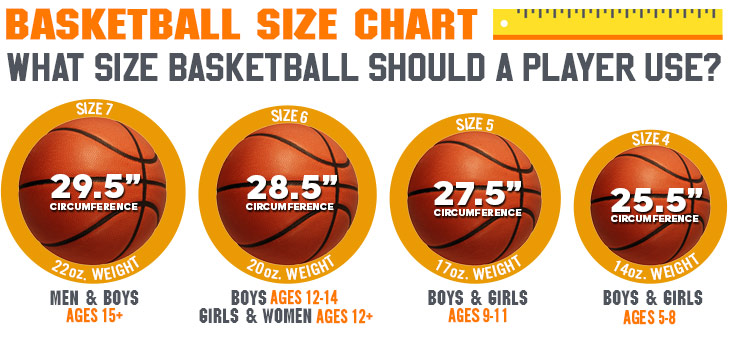
Image Source: www.anthem-sports.com
Delving into Basketball Weight Regulations
Basketball weight regulations are meticulously defined to ensure a consistent playing experience. These standards are not universal across all leagues and age groups, but rather tailored to specific needs and developmental stages. The basketball weight regulations are a cornerstone of fair play, impacting how the ball travels through the air and how players interact with it. Understanding these specifications helps players develop the right technique and provides a framework for manufacturers to create compliant equipment.
Official Basketball Size and Weight: A Global Perspective
The official basketball size and weight can differ slightly between international organizations and domestic leagues. However, the general principles remain the same: a well-balanced ball that is manageable for players of all levels. The weight contributes to the ball’s momentum, its bounce, and its feel in a player’s hands. Different weights can affect shooting accuracy, dribbling control, and the overall speed of the game.
FIBA Basketball Weight
For international competitions, the FIBA basketball weight adheres to specific guidelines. The Fédération Internationale de Basketball (FIBA) sets the standards that govern professional and amateur basketball worldwide, outside of North America’s primary leagues.
- Circumference: A size 7 FIBA ball, used for men’s competition, has a circumference between 749-780 mm (29.5-30.7 inches).
- Weight: The FIBA basketball weight for a size 7 ball is between 567-650 grams (20-22.9 ounces). This slight variation allows for some manufacturing tolerance.
FIBA’s standardization ensures that players from different countries can compete with confidence in the equipment. The weight is designed to provide a good grip and control for adult players, facilitating both powerful passes and precise shots.
NBA Basketball Weight
In the United States, the National Basketball Association (NBA) has its own set of specifications. The NBA basketball weight is also for a size 7 ball, but there’s a subtle difference in the narrower end of the accepted range compared to FIBA.
- Circumference: An official NBA basketball has a circumference of 29.5 inches. This is at the lower end of the FIBA range.
- Weight: The NBA basketball weight is typically between 20 and 22 ounces (567-624 grams). This is a tighter specification than FIBA’s, emphasizing consistency.
The NBA’s commitment to a consistent ball weight is part of its pursuit of peak performance and standardized play. This precise weight helps players develop muscle memory for shooting and dribbling, contributing to the high level of skill seen in the league.
Women’s Basketball Weight
Women’s professional basketball, governed by organizations like the WNBA and FIBA for women’s international play, uses a slightly smaller and lighter ball. This adjustment is made to accommodate the average hand size of female players, allowing for better control and a more comfortable playing experience.
- Size: Women typically use a size 6 basketball.
- Circumference: A size 6 basketball has a circumference of approximately 724-737 mm (28.5-29 inches).
- Weight: The women’s basketball weight is generally between 18 and 20 ounces (510-567 grams).
This lighter weight and smaller size make the ball more manageable for women, promoting development and allowing for dynamic play. It ensures that the physical demands of the game are appropriately matched to the players.
Youth Basketball Weight
For younger players, the weight and size of the basketball are adjusted to facilitate skill development and prevent strain. Using a ball that is too heavy can hinder a child’s ability to learn proper shooting form and dribbling techniques.
Age Groups and Ball Sizes: Different age groups use different sized balls:
- Ages 12 and under (Boys and Girls): Often use a size 5 ball.
- Circumference: 27.5-28.5 inches (699-724 mm)
- Weight: 17-18 ounces (482-510 grams)
- Ages 9-11 (Boys) and Ages 9-13 (Girls): May use a size 5 or size 6 ball.
- Ages 12-14 (Girls) and Ages 12-15 (Boys): Typically transition to a size 6 ball.
- Ages 12 and under (Boys and Girls): Often use a size 5 ball.
The Importance of Youth Weight: The youth basketball weight is designed to be lighter. This allows children to develop the necessary strength and coordination for dribbling and shooting without overexertion. A ball that is too heavy can lead to poor habits and even injuries. As children grow and their strength increases, they can gradually move up to larger and heavier balls, mirroring the progression in professional play.
The careful consideration of youth basketball weight is paramount for fostering a positive introduction to the sport. It ensures that the learning process is enjoyable and effective.
Standard Basketball Weight and Circumference
Across the various governing bodies, there’s a standard basketball weight and circumference that forms the basis of the game. These standards ensure that a basketball feels familiar and performs predictably, regardless of where you are playing.
Regulation Basketball Circumference
The regulation basketball circumference is a key metric. It directly influences how the ball fits in a player’s hand and how it travels through the air.
- Size 7 (Men’s Professional & College, and FIBA Men’s): 29.5 inches (75 cm) in circumference.
- Size 6 (Women’s Professional & College, and FIBA Women’s): 28.5 inches (72.5 cm) in circumference.
- Smaller sizes (Youth): Vary, with size 5 being common for younger players.
The circumference dictates the grip surface available to players, which is vital for ball handling, dribbling, and shooting.
Basketball Weight Specifications: A Closer Look
When we talk about basketball weight specifications, we are referring to the precise measurements that ensure fair competition. These weights are not just numbers; they are engineered to contribute to the game’s dynamics.
- Material and Construction: The weight of a basketball is determined by its size, the materials used in its construction (such as rubber, synthetic leather, or genuine leather), and the air pressure inside. Manufacturers must adhere to the specified weight ranges for official balls.
- Impact on Play:
- Dribbling: A heavier ball requires more force to dribble effectively, helping players develop stronger wrists and arms.
- Shooting: The weight affects the trajectory and spin of a shot. Players adjust their shooting form based on the ball’s mass and how it feels.
- Passing: Heavier balls can be passed with more force over longer distances, while lighter balls might be more suited for quick, short passes.
The standard basketball weight is a carefully considered factor that balances player capability with the desired game dynamics.
How Heavy is a Basketball? Decoding the Numbers
So, how heavy is a basketball? The answer, as we’ve explored, is not a single figure but a range that varies by league and age.
- Men’s/Boys’ (Size 7): Typically 20-22.9 ounces (567-650 grams).
- Women’s/Girls’ (Size 6): Typically 18-20 ounces (510-567 grams).
- Youth (Smaller sizes): Lighter still, often around 17-18 ounces (482-510 grams) for younger players.
This spectrum ensures that players at all stages of development can engage with the sport effectively and safely. The weight is a critical component of the overall “feel” of the ball, influencing a player’s connection with it.
The Significance of Ball Weight in Performance
The weight of a basketball plays a subtle yet significant role in player performance. It influences technique, strategy, and even the physical development of athletes.
Dribbling Dynamics
A basketball’s weight directly impacts the force required for dribbling.
- Power Dribbling: Heavier balls often require a more powerful dribble, which can help players develop stronger wrists and forearms. This is essential for maintaining possession against defensive pressure.
- Control and Feel: Players develop a feel for how much force to apply to keep the ball at a consistent height. This feel is often honed with a specific weight.
- Pace of the Game: The weight can influence how quickly the ball bounces back up, indirectly affecting the pace of dribbling and the speed at which a player can move with the ball.
Shooting Mechanics
Shooting is perhaps the area most visibly affected by ball weight.
- Trajectory: A heavier ball will have more momentum and may follow a flatter trajectory if the same force is applied. Players must adjust their release angle and power accordingly.
- Spin: The weight influences how easily a player can impart spin on the ball. Proper spin is crucial for a soft touch and accurate shots.
- Muscle Memory: Athletes spend countless hours practicing, and the consistent weight of a regulation ball allows them to build reliable muscle memory for their shooting motion.
Passing Precision
The weight of the ball also affects passing.
- Chest Passes: A heavier ball might require more core engagement for a powerful chest pass.
- Bounce Passes: The weight affects the angle and force of the bounce, requiring players to adjust their delivery.
- Long Passes: Heavier balls carry more momentum, which can be advantageous for long outlet passes, but they also require more arm strength.
Maintaining Official Basketball Weight
Maintaining the correct air pressure is crucial for a basketball to perform as intended. While the materials and construction define the base weight, air pressure influences the ball’s responsiveness and bounce.
- Inflation: Basketballs should be inflated to the pressure recommended by the manufacturer, typically indicated on the ball itself. This is usually around 7-9 PSI.
- Checking Pressure: Players and coaches should regularly check the air pressure using a reliable gauge. An under-inflated ball will feel soft and sluggish, while an over-inflated ball will be hard and may not bounce predictably.
- Impact of Pressure on Weight: While the primary weight is determined by the ball’s construction, slight variations in inflation can have a minor impact on the overall feel and responsiveness. However, the core weight specifications are not significantly altered by standard inflation.
Frequently Asked Questions (FAQ)
Q1: Why do basketballs have different weights?
A1: Basketballs have different weights to accommodate the physical development and hand sizes of players across various age groups and genders. This ensures a safe and effective playing experience for everyone.
Q2: Can I use a men’s basketball for women’s or youth leagues?
A2: While you can technically use a men’s basketball (size 7) in women’s or youth leagues, it is not recommended. The size and weight difference can make it harder for players to control and shoot the ball properly, potentially hindering skill development and enjoyment. It’s best to use the appropriately sized and weighted ball for the specific league or age group.
Q3: What is the standard weight for a basketball used in the NBA?
A3: The standard weight for an NBA basketball is between 20 and 22 ounces (567-624 grams).
Q4: Does the weight of a basketball affect its bounce?
A4: Yes, the weight of a basketball, along with its inflation pressure, affects its bounce. A properly weighted and inflated ball will have a consistent and predictable bounce, crucial for gameplay.
Q5: Who determines the official weight of basketballs?
A5: Organizations like FIBA (International Basketball Federation) and the NBA (National Basketball Association) determine the official weight and size specifications for basketballs used in their respective competitions.
Q6: Is there a standard circumference for basketballs?
A6: Yes, there are standard circumferences. For men’s professional play (Size 7), it’s typically 29.5 inches. For women’s professional play (Size 6), it’s around 28.5 inches.
Q7: How much does a youth basketball typically weigh?
A7: Youth basketballs vary by age, but younger children (e.g., under 12) often use balls weighing around 17-18 ounces (482-510 grams).
In conclusion, the weight of a basketball is a fundamental characteristic that is carefully regulated to ensure fairness, safety, and optimal performance across different levels of play. From the powerful throws of professional athletes to the tentative dribbles of young beginners, the right weight makes all the difference.