
Image Source: www.rhinoplastyinseattle.com
Can You Play Basketball With A Broken Nose: Risks & Tips
No, you generally cannot and absolutely should not play basketball with a broken nose. The risks far outweigh any potential benefits, and playing through such an injury can lead to more severe complications, including long-term breathing difficulties and deformities.
A broken nose, medically termed a nasal fracture, is a common basketball injury. It happens when the delicate bones or cartilage in the nose are fractured, often due to direct impact. This is a frequent occurrence in a sport as physical as basketball, where elbows, hands, and accidental collisions are common. The question of whether to play sports with a fractured nose is a serious one, with significant implications for athlete safety and recovery.
Decoding Broken Nose Symptoms
Recognizing the signs of a broken nose is crucial for prompt and appropriate action. If you suspect a facial injury basketball players might sustain, these common broken nose symptoms should alert you:
- Pain: Often immediate and intense, localized to the nasal bridge.
- Swelling: The nose will likely swell significantly, making it difficult to assess the extent of the injury initially.
- Bruising: Discoloration around the nose and under the eyes (black eyes) is a hallmark sign.
- Deformity: The nose may appear crooked or out of place.
- Difficulty Breathing: Swelling and potential displacement of nasal structures can obstruct airflow.
- Nosebleeds: Bleeding from the nose is common, sometimes profuse.
- Tenderness: The nasal area will be very sensitive to touch.
- A feeling of blockage: You might feel like your nose is stuffed up.
These symptoms can vary in severity depending on the force of the impact and the specific location of the fracture. Some minor fractures might not present with extreme deformity but can still cause significant pain and breathing issues.
The Perils of Playing Sports With a Fractured Nose
Attempting to play basketball or any other contact sport with a broken nose is highly inadvisable. The primary concern is exacerbating the existing injury. The nose, even when fractured, is still a sensitive structure.
Increased Risk of Further Damage
A direct blow to an already fractured nose can:
- Displace the broken fragments further, making a surgical correction more complex or even impossible later.
- Damage the nasal septum, the wall dividing the nasal passages. A deviated septum can lead to chronic breathing problems.
- Cause or worsen cartilage damage, potentially leading to nasal collapse or significant cosmetic deformities.
- Result in more extensive bruising and swelling.
Impact on Breathing Basketball Performance
Basketball demands efficient respiration. Playing with a broken nose can severely impair your ability to breathe properly:
- Reduced Airflow: Swelling and potential internal damage restrict the amount of air you can inhale, leading to shortness of breath and fatigue.
- Compromised Stamina: Without adequate oxygen, your stamina will plummet, hindering your performance and increasing the risk of other injuries due to exhaustion.
- Increased Risk of Collisions: If your breathing is labored, your focus and reaction time can be affected, making you more susceptible to collisions and further injury.
Long-Term Consequences
Ignoring a broken nose and continuing to play can lead to lasting problems:
- Chronic Sinus Issues: Improper healing can affect sinus drainage, leading to recurrent sinus infections.
- Persistent Breathing Difficulties: A deviated septum or damaged cartilage can result in lifelong nasal congestion and difficulty breathing through one or both nostrils.
- Cosmetic Deformities: Significant displacement of nasal bones or cartilage can result in a permanently crooked nose.
- Loss of Smell or Taste: In severe cases, damage to the olfactory nerves can affect these senses.
Seeking Expert Medical Guidance: Doctor Advice for Broken Noses
The moment you suspect a broken nose, seeking professional medical attention is paramount. Consulting a doctor, ideally one with experience in sports medicine or otolaryngology (ear, nose, and throat specialist), is the correct course of action.
The Doctor’s Examination
When you see a doctor for a suspected broken nose, they will typically:
- Ask about the injury: How did it happen? What were the immediate symptoms?
- Perform a physical examination: They will look for signs of swelling, bruising, deformity, and palpate the nasal bones to detect crepitus (a crackling sensation indicating fractured bone). They will also assess your ability to breathe through your nostrils.
- May order imaging: While often diagnosed clinically, an X-ray or CT scan might be ordered to confirm the fracture, assess its severity, and identify any accompanying injuries like orbital fractures.
Doctor Advice Broken Nose Recommendations
Based on the diagnosis, a doctor will provide specific recommendations for recovering from broken nose:
- Rest: Absolutely no participation in sports or strenuous activity.
- Pain Management: Over-the-counter pain relievers like ibuprofen or acetaminophen are often recommended.
- Swelling Reduction: Applying cold compresses intermittently can help reduce swelling and pain.
- Nasal Packing/Splinting: In some cases, the doctor may pack the nose to control bleeding or apply an external splint to support the fractured bones.
- Surgical Intervention: If the fracture is severe, displaced, or causing significant breathing obstruction, surgery may be recommended to realign the bones and cartilage.
The Journey of Recovering from a Broken Nose
Recovering from broken nose requires patience and adherence to medical advice. The healing process can take several weeks.
Stages of Healing
- Initial Phase (First 1-2 weeks): Swelling and bruising are most prominent. Pain management and keeping the area clean are key. Nasal breathing may be significantly impaired.
- Intermediate Phase (Weeks 2-4): Swelling gradually subsides, and some of the pain may lessen. However, the bones are still fragile and are consolidating.
- Final Phase (4-8 weeks and beyond): The bone and cartilage continue to heal and remodel. Full strength may take months, and subtle swelling can linger.
Factors Influencing Recovery
Several factors influence how quickly and effectively one recovers:
- Severity of the Fracture: Simple, non-displaced fractures heal faster than complex, displaced ones.
- Treatment Received: Prompt medical attention and appropriate treatment (like splinting or surgery) can optimize healing.
- Adherence to Doctor’s Advice: Following instructions regarding rest, activity, and follow-up appointments is crucial.
- Individual Healing Capacity: People heal at different rates.
Return to Play Guidelines After a Broken Nose
The decision to return to basketball after a broken nose must be guided by medical professionals and follow established return to play guidelines. The primary goal is to prevent re-injury and ensure the athlete is fully healed.
Key Considerations for Return
- Pain-Free: The athlete should be free from significant pain when the nose is touched or moved.
- No Significant Swelling: While some residual puffiness might remain, acute swelling should be gone.
- Normal Breathing: The ability to breathe freely through the nose without obstruction is essential.
- No Deformity: The nasal structure should be aligned without any noticeable crookedness.
- Doctor’s Clearance: This is the most critical step. A doctor will assess the healed nasal structures and give the green light.
Gradual Reintegration
Often, a gradual return to play is recommended:
- Non-Contact Drills: Start with light activities that don’t involve physical contact or risk of blows to the face.
- Controlled Contact Drills: If progressing well, gradually introduce drills with controlled contact.
- Full Practice: Once cleared and comfortable with controlled contact, full participation in practice can resume.
- Return to Game Play: The final step, only after confidence and physical readiness are established.
Protecting the Face: Head Protection in Sports
The risk of facial injury basketball players face highlights the importance of head protection sports. While traditional basketball doesn’t mandate helmets, awareness of protective gear is growing.
Protective Options
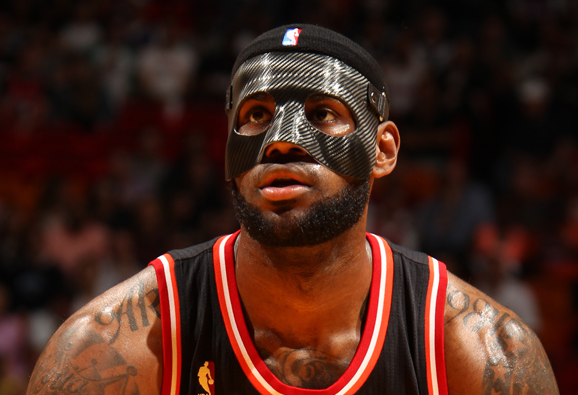
- Facial Masks: Custom-fitted protective masks made of rigid plastic or metal can be worn over the face to shield a recovering nose or prevent re-injury. These are often prescribed by doctors for athletes returning to play after facial fractures.
- Mouthguards: While not directly protecting the nose, mouthguards can prevent dental injuries and concussions, which are also common in basketball.
- Headbands: These can help keep sweat out of the eyes and may offer very minor protection against glancing blows, but are not a significant protective measure for the nose.
When to Consider Extra Protection
For athletes playing sports with fractured nose (only when medically cleared and with a mask), or those with a history of nasal injuries, extra precautions are wise. A conversation with a coach and medical staff about appropriate protective equipment is essential.
Common Misconceptions About Nasal Fractures
Several myths surround broken noses and returning to sports.
- Myth: A little pain is fine; I can play through it.
- Reality: Pain is a signal of injury. Pushing through it can worsen the damage significantly.
- Myth: If it doesn’t look crooked, it’s not broken.
- Reality: Many nasal fractures occur without obvious external deformity, but can still cause pain, swelling, and internal damage.
- Myth: Once the swelling goes down, I’m good to go.
- Reality: Swelling reduction is just one part of healing. Bone and cartilage need time to consolidate and strengthen.
The Importance of Proper Management of Nasal Fractures in Athletes
For athletes, a broken nose is not just a temporary inconvenience; it’s an injury that requires meticulous management to ensure a safe and complete return to their sport. The multidisciplinary approach involving coaches, athletic trainers, and medical professionals is key.
Role of Athletic Trainers
Athletic trainers are often the first point of contact for athletes sustaining injuries. They play a vital role in:
- Initial assessment of the injury.
- Facilitating access to medical care.
- Implementing treatment plans as directed by physicians.
- Educating athletes on the importance of proper recovery.
- Monitoring progress during the rehabilitation phase.
Communication is Key
Open communication between the athlete, parents (if the athlete is a minor), coaches, and medical staff is crucial. This ensures everyone is aware of the injury, the treatment plan, and the athlete’s readiness to return to play.
Long-Term Athletic Careers
For athletes who rely on their physical capabilities, ensuring proper healing of any injury, including a broken nose, is essential for the longevity of their athletic careers. Rushing back can lead to chronic issues that might force an early retirement.
Frequently Asked Questions (FAQ)
Q1: How long does it take to recover from a broken nose?
A1: Recovery time varies. Most simple fractures heal significantly within 4-6 weeks, but full healing and strength can take up to 3 months or more. It’s crucial to follow your doctor’s advice.
Q2: Can I still play basketball with a facial mask after a broken nose?
A2: Yes, with a doctor’s explicit clearance, you may be able to return to play wearing a custom-fitted protective mask. This mask acts as a shield to prevent further injury to your healing nose.
Q3: What are the main risks of playing sports with a broken nose?
A3: The main risks include worsening the fracture, causing displacement of bone fragments, damaging the nasal septum leading to breathing issues, and increasing the likelihood of permanent deformity.
Q4: How do I know if my nose is broken?
A4: Signs of a broken nose include severe pain, swelling, bruising, difficulty breathing through the nose, a crooked appearance, and bleeding. If you suspect a break, seek medical attention immediately.
Q5: Will a broken nose affect my breathing during basketball?
A5: Yes, swelling and potential internal damage can significantly obstruct airflow, making it harder to breathe and impacting your stamina and performance.
Q6: When is it safe to return to basketball after a broken nose?
A6: It is safe to return only after a doctor has cleared you. This typically happens when the pain has subsided, swelling has significantly reduced, breathing is normal, and there is no significant deformity. Protective gear like a facial mask might be required.
Q7: What is considered a “nasal fracture sports” injury?
A7: A “nasal fracture sports” injury refers to any break in the nasal bones or cartilage that occurs as a result of participation in sports activities. Basketball is a common sport where this injury occurs.
Q8: What if my broken nose causes breathing problems?
A8: If your broken nose causes breathing problems, it is critical to see a doctor. They will assess the extent of the obstruction, which might be due to swelling or a deviated septum, and recommend treatment, which could include medication or surgery.
Q9: What are common treatments for a broken nose?
A9: Treatments include pain relief, cold compresses, keeping the head elevated, and sometimes nasal packing or an external splint. Severe or displaced fractures may require surgery to realign the bones.
Q10: Is there any specific head protection for basketball players with broken noses?
A10: Yes, athletes cleared to return to play with a broken nose often wear custom-molded protective facial masks that cover the nose and cheekbones to prevent further injury.