
What is waiver order in fantasy basketball? Waiver order determines which fantasy manager gets priority when claiming players from the waiver wire. When multiple teams want the same player, the team highest in the waiver order gets them first.
Fantasy basketball is a game of constant movement. Every week, new talent emerges, injuries strike, and player performances fluctuate. To stay competitive, you need to be sharp on the waiver wire pickups. But how do you actually get those players? This is where waiver order comes into play. It’s a crucial, often misunderstood, mechanic that can make or break your season. Let’s dive deep into how this system works, why it matters, and how you can leverage it to your advantage.
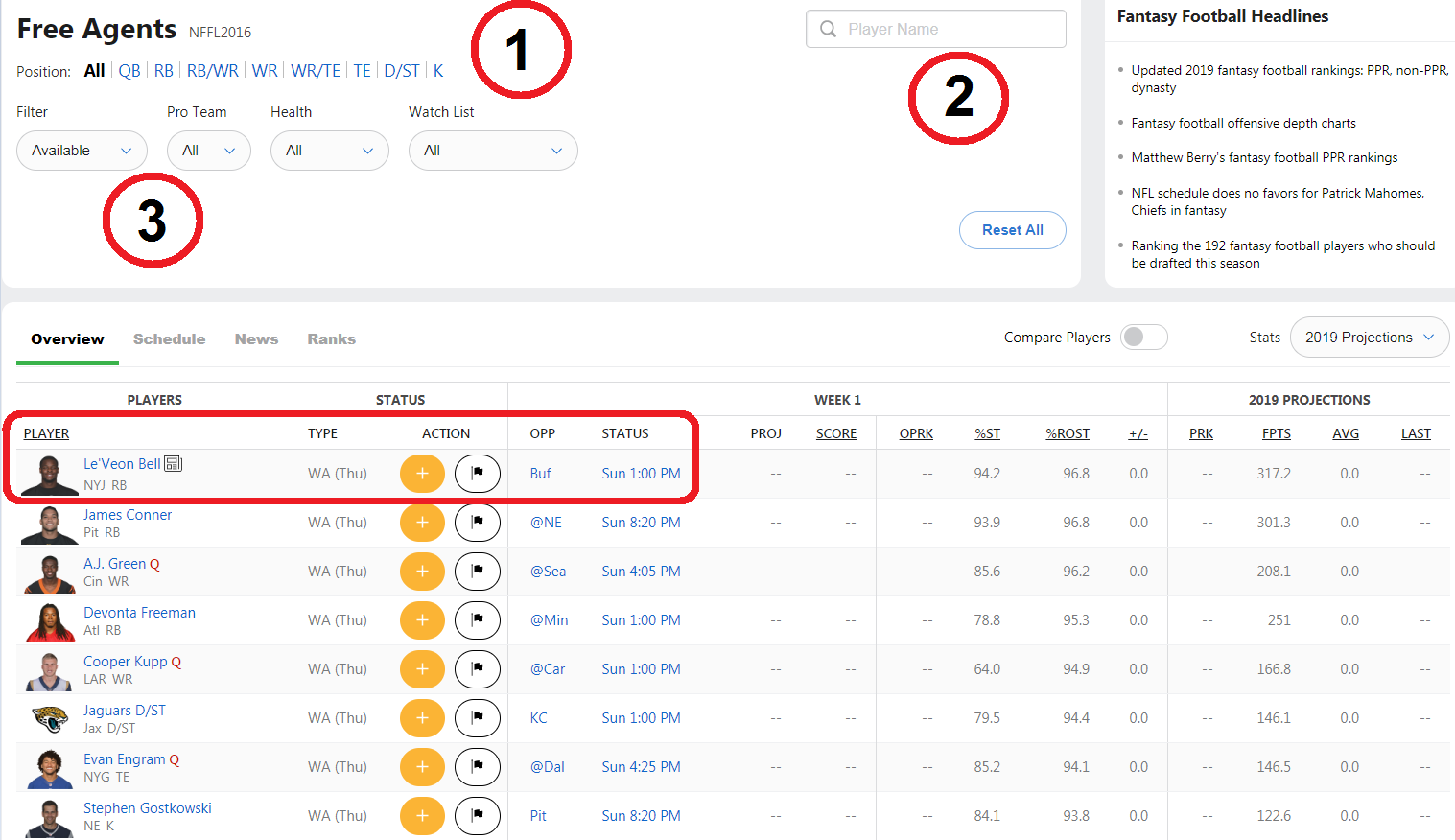
Image Source: support.espn.com
Deciphering Waiver Processing
The process of adding players from the waiver wire isn’t always as simple as clicking a button. Most fantasy basketball platforms have specific rules and timelines for waiver processing. Typically, there’s a designated period where players dropped by a team are placed on waivers. During this time, any team can place a claim on that player. Once the waiver period ends, the system processes these claims based on the established waiver order.
Waiver Claim Rules: The Basics
Every league will have its own specific waiver claim rules. However, a few fundamental principles are common across most platforms.
- Waiver Period: This is the timeframe a player is unavailable after being dropped. It can range from a few hours to a full day.
- Waiver Order: This is the queue that dictates who gets a player if multiple teams claim them.
- Claiming Players: You submit a claim for a player during the waiver period. If no one else claims them, or if you have higher priority, you add them to your roster.
- Dropping Players: To add a new player from waivers, you usually have to drop players waiver from your own roster.
How Waiver Priority is Determined
This is the core of the waiver wire puzzle. There are several common methods for determining waiver priority:
1. Rolling Waiver Order (or Continuous)
This is a popular system that keeps the waiver order fluid.
- How it Works: The team at the top of the waiver order who successfully claims a player moves to the bottom of the order. Everyone else above them moves up one spot. If you don’t make a claim, your position remains the same.
- Pros: It rewards proactive managers and discourages hoarding waiver claims. It also allows teams that are struggling to potentially catch up by acquiring talent if they are willing to use their priority.
- Cons: Teams that are consistently active on the waiver wire will find themselves at the bottom of the order more often. It can be frustrating to be at the bottom when a breakout player emerges.
- Example:
- Week 1: Team A, Team B, Team C, Team D
- Team B claims Player X.
- Week 2: Team A, Team C, Team D, Team B
2. Priority Based on Standings (or Reverse Standings)
In this system, your waiver priority is directly tied to your team’s record.
- How it Works: The team with the worst record has the highest waiver priority. As teams win, they move down the waiver order. The best team usually has the lowest priority.
- Pros: It gives struggling teams a better chance to improve and potentially climb back into contention. It’s seen as a way to balance the league.
- Cons: It can lead to tanking, where teams intentionally lose games to improve their waiver priority. It can also create a self-fulfilling prophecy where bad teams get worse players.
- Example:
- Current Standings: Team A (10-2), Team B (8-4), Team C (4-8), Team D (2-10)
- Waiver Order: Team D, Team C, Team B, Team A
3. Free Agent Acquisition Budget (FAAB)
This is a more strategic and often preferred method. Instead of a strict order, teams bid on players.
- How it Works: Each team starts with a set budget (e.g., $100 or $1000) for the season. When a player is on waivers, teams submit a blind bid. The highest bidder wins the player. The amount bid is deducted from their FAAB budget. If multiple teams bid the same amount, the tiebreaker is usually waiver priority.
- Pros: It’s highly strategic and allows managers to value players differently. You can spend big on a player you desperately need or save your budget for later in the season. It removes the “luck of the draw” of a rolling waiver order.
- Cons: It can be expensive to acquire key players, and if you run out of FAAB, you can’t bid. It requires careful budgeting and an understanding of player values.
- FAAB Waiver Claims Example:
- Player: Player Y
- Bids: Team A ($15), Team B ($10), Team C ($20)
- Result: Team C wins Player Y for $20.
4. FAAB with Waiver Priority Tiebreaker
This is a hybrid system that combines FAAB bidding with a traditional waiver order for tiebreakers.
- How it Works: Teams still submit blind bids using their FAAB budget. However, if two or more teams submit the same highest bid for a player, the team with the higher waiver priority gets the player.
- Pros: This system retains the strategic depth of FAAB while providing a safety net for those at the bottom of the waiver order who might not have the FAAB budget to compete with richer teams.
- Cons: The waiver priority aspect can sometimes feel less impactful if bids are significantly different.
How FAAB Bidding Works in Detail
FAAB bidding is a sophisticated approach to the waiver wire. It’s not just about having the most money; it’s about smart allocation and understanding the market.
Setting Your FAAB Budget
- Total Budget: Most leagues provide a fixed budget for the entire season.
- Weekly Allocation: You need to decide how much of your budget to spend each week. Do you go all-in on a top waiver target, or do you play it safe and save for later?
- Player Valuation: Assign a dollar value to players you’re interested in. This value should consider their current performance, potential, role on their team, and your team’s needs.
The Blind Bid Process
- Submission: You submit your bid before the waiver processing deadline. This is typically done through your league’s platform.
- Secrecy: All bids are secret until the waiver processing is complete. This prevents other managers from adjusting their bids based on yours.
- Winning the Bid: The highest bid wins the player.
- Deduction: The winning bid amount is subtracted from your FAAB balance.
- Losing Bids: If you don’t win a bid, your FAAB budget remains unchanged. You also don’t get the player.
Strategies for FAAB Bidding
- Know Your League: Observe how your league mates spend their FAAB. Are they aggressive? Do they save it? This can inform your strategy.
- Target Players: Identify players who are likely to be dropped or are emerging talents.
- Needs Assessment: Bid more aggressively for players who fill a critical need on your roster.
- Bidding Against Yourself: In some systems, if you’re the only one bidding on a player, you might win them for a minimal amount (e.g., $0 or $1). However, most FAAB leagues require a bid to be submitted to acquire a player, even if you’re the only one interested.
- Saving for the Future: Don’t blow your entire budget in the first few weeks. Key players often emerge later in the season.
Understanding FAAB Waiver Claims and Player Movement
When you make FAAB waiver claims, you’re essentially entering an auction for players. The system processes these auctions, and the results affect roster composition.
What Happens After the Bid?
- Player Acquisition: The winning manager adds the player to their roster.
- Budget Adjustment: The manager’s FAAB budget is reduced.
- Dropped Players: The manager must usually drop players waiver to make room for the new acquisition. The dropped player then typically goes onto waivers, restarting the process.
Important Considerations for FAAB
- Tiebreakers: Always be aware of the tiebreaker rules in your league. If your bid matches another team’s bid, who gets the player? Usually, it’s the team with the higher waiver priority or sometimes a different designated tiebreaker.
- Budget Management: It’s a marathon, not a sprint. Don’t be afraid to spend if you truly need a player, but always keep an eye on your remaining budget.
Other Waiver Systems
While rolling waivers and FAAB are the most common, some leagues use other methods:
1. Standard Waiver Priority (Oldest to Newest Claim)
This is a simpler, linear system.
- How it Works: The team that claims a player first gets them. If multiple teams try to claim the same player simultaneously, the team with the highest priority in the waiver order gets them. When a team uses their priority claim, they move to the bottom of the list.
- Pros: Simple to understand and implement.
- Cons: Can lead to “streamers” camping on players, and it’s very reactive. The team at the bottom often has little chance to acquire talent.
2. Waiver Priority with Drop Players Waiver Rule
This can apply to any of the above systems. It clarifies the action of adding a player.
- How it Works: To claim a player from waivers, you must simultaneously drop another player from your roster. This is to prevent managers from simply cycling through players without making roster decisions.
- Impact: Forces you to make a tough choice. Is the potential new player worth dropping an existing one?
Navigating the Waiver Wire: Key Strategies
Regardless of the waiver system your league uses, several universal strategies can help you succeed.
1. Proactive Research
- Follow News: Stay up-to-date on NBA news, injury reports, and team rotations.
- Identify Breakouts: Look for players who are starting to see increased minutes or usage.
- Scout Emerging Talent: Keep an eye on promising rookies or players stepping into larger roles due to injuries.
2. Understanding Your League’s Waiver Processing
- Know the Deadline: Be aware of when waivers process each week.
- Check the Order: Regularly monitor your position in the waiver order or your FAAB balance.
- Anticipate Drops: If a player is underperforming or injured, anticipate when they might be dropped and by whom.
3. Smart Claiming Players Waiver Decisions
- Bid What You Can Afford (FAAB): Don’t overspend if you don’t have the budget.
- Don’t Waste Priority: If a player isn’t a significant upgrade, consider saving your waiver spot.
- Target Players with Upside: Focus on players who have the potential to become consistent contributors.
4. When to Drop Players Waiver
- Underperformers: If a player is consistently not producing and there are better options on the waiver wire, it might be time to let them go.
- Injured Players with Long Recovery Times: Unless you have deep IR spots, holding onto injured players for too long can hurt your team.
- Players in Rotational Purgatory: Players whose minutes are inconsistent and unlikely to improve significantly.
The Impact of Waiver Order on Your Season
Your waiver order is more than just a number; it’s a tool.
- Early Season: In the initial weeks, waiver wire pickups can provide significant value. A hot-start player or a player who benefits from an early injury can give you a competitive edge.
- Mid-Season: As the season progresses, the waiver wire might thin out, but key players due to trades or increased roles can still be found. Your waiver priority or FAAB budget can be crucial here.
- Late Season: Playoff pushes often come down to the wire. Identifying a player who is peaking at the right time can be the difference-maker.
Common Pitfalls to Avoid
- Overspending FAAB: Burning through your budget early leaves you vulnerable later.
- Holding onto Underperformers: Letting good players pass you by because you’re too attached to a player who isn’t producing.
- Not Checking Waivers Regularly: Missing out on valuable players because you weren’t paying attention.
- Ignoring Your League’s Rules: Every league is different. Make sure you know your specific waiver rules.
Frequently Asked Questions (FAQ)
Q1: What if two teams have the same FAAB bid for a player?
A1: Typically, the team with the higher waiver priority will win the player. Some leagues may have other tiebreakers, so check your league settings.
Q2: Can I drop a player and immediately pick up another player from waivers in the same transaction?
A2: This depends on your league’s rules. Some platforms allow it, while others require a short waiting period.
Q3: How often does the waiver order reset?
A3: In rolling waiver systems, it resets after each claim. In reverse-standings systems, it typically updates weekly based on the standings. FAAB doesn’t have a traditional “order” to reset, but budgets are a finite resource.
Q4: What are the best waiver wire pickups to look for?
A4: Look for players who are:
* Taking on increased minutes due to injury or trades.
* Showing consistent scoring or efficiency improvements.
* Getting good usage from their coach.
* High-upside rookies or young players.
Q5: Should I always use my highest waiver priority or FAAB bid?
A5: Not necessarily. Consider the player’s impact on your team and whether they are a significant upgrade. Sometimes, saving your priority or FAAB for a better opportunity is the smarter play.
Q6: What is “streaming” in fantasy basketball?
A6: Streaming is a strategy where you add and drop players on a weekly or daily basis, often targeting players with favorable matchups for categories you need (like points, assists, or threes). This often involves picking up players from the waiver wire who are not owned in many leagues.
Q7: How do I make a free agent claim vs. a waiver claim?
A7: A waiver claim is for players who have gone through the waiver period and are now free agents but have not yet been picked up by any team. A free agent claim is usually when a player has cleared waivers and is now available to any manager on a first-come, first-served basis. The distinction is important for understanding when priority matters.
By mastering the intricacies of waiver order, whether it’s rolling priority, FAAB bidding, or a combination, you empower yourself to make the shrewdest moves on the waiver wire. This is where champions are often forged – through diligent research, strategic thinking, and timely claim players waiver decisions. Stay informed, stay active, and may your waiver claims always be successful!