
The standard basketball hoop height is 10 feet from the floor to the rim. This is the official height used in professional leagues like the NBA and is considered the standard basketball ring height worldwide.
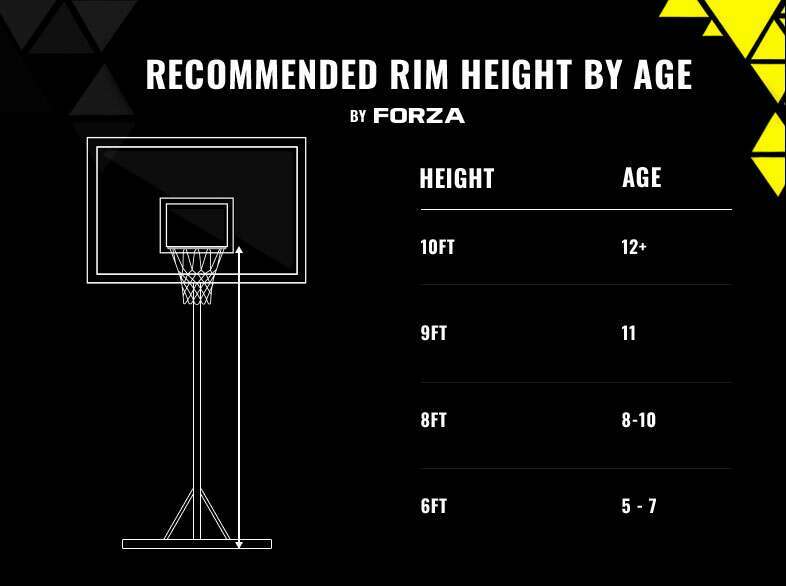
Image Source: nwscdn.com
The Universal Standard: 10 Feet of Elevation
For anyone who has ever played or watched basketball, the image of a player soaring to dunk a ball through a hoop is iconic. But how high is that hoop, really? The answer is surprisingly consistent across much of the basketball world: 10 feet basketball hoop. This precise measurement is not arbitrary; it’s a carefully established standard that dictates the challenge and skill required in the game. Whether you’re watching a slam dunk contest in the NBA, a high school game, or playing on a community court, that 10-foot mark is the constant. This official basketball height is fundamental to the sport’s development and enjoyment.
Why 10 Feet? A Historical Perspective
The journey to the 10-foot regulation basketball hoop is a fascinating one, rooted in the game’s very beginnings. When James Naismith invented basketball in 1891, he famously used peach baskets. These were nailed to the gymnasium balcony railing, which happened to be 10 feet above the floor. The initial idea wasn’t about establishing a specific height for the rim as a challenge; it was a matter of practicality and the available equipment. The goal was to create a game that could be played indoors, and the balcony provided a suitable elevated target.
As the sport evolved, so did the equipment. Peach baskets were eventually replaced by metal hoops with nets. However, the original height of 10 feet remained. This consistency has been crucial in preserving the integrity of the game as it spread and grew in popularity. The NBA rim height has remained steadfastly at this elevation, contributing to the game’s global appeal and allowing for direct comparisons between players and teams across different eras and locations.
Deciphering Regulation Basketball Hoop Dimensions
A regulation basketball hoop encompasses more than just the height of the rim. Several other critical dimensions ensure fair play and consistent competition. These include the size of the backboard, the diameter of the rim, and the length of the net. Understanding these elements provides a complete picture of what constitutes a regulation setup.
Backboard Specifications
The backboard, typically made of tempered glass for professional play, has specific dimensions. In the NBA and most professional leagues, the backboard measures 6 feet wide by 3.5 feet high. The inner square on the backboard, which players use as a target for bank shots, is 24 inches wide by 18 inches high. For college and international play under FIBA rules, the backboard dimensions can vary slightly, but the rim height remains the same.
Rim and Net Details
The rim itself, a metal ring, has an inner diameter of 18 inches. This is designed to accommodate the standard basketball, which has a circumference of approximately 29.5 inches for men’s professional play. The basketball net height is determined by the rim’s height. The net, usually made of nylon or chain, is designed to hang from the rim and extend downwards, allowing the ball to pass through cleanly and providing a visual indicator of a successful shot.
The Impact of Height on Gameplay
The 10-foot standard basketball ring height significantly influences how the game is played. It presents a formidable challenge that requires players to develop specific skills and physical attributes.
Jumping and Vertical Leap
The most obvious impact of the rim’s height is the emphasis it places on jumping ability and vertical leap. Players need significant athleticism to reach the rim for dunks and layups. The 10-foot height forces players to train for explosive power and coordination, making vertical athleticism a key component of success in basketball.
Shooting Mechanics
The elevation of the hoop also dictates shooting mechanics. Players must develop a proper arc and trajectory for their shots to clear defenders and land in the basket. The 10-foot basketball net height means shots need to be lofted with enough force and spin to be effective. This influences everything from a player’s elbow placement to their follow-through.
Strategy and Positioning
The height of the hoop also impacts team strategy and player positioning. Centers and forwards who are taller and possess strong post-up games often operate closer to the basket, where they can utilize their height advantage to score or rebound. Guards, who may not have the same height advantage, rely on speed, agility, and shooting prowess to score from further distances. The 10-foot rim ensures that even dominant players must execute carefully to score.
Variations in Basketball Hoop Height: Beyond the NBA
While 10 feet is the golden standard, it’s important to acknowledge that basketball hoop height can vary, especially for younger players or in different cultural contexts. These variations are designed to make the game more accessible and enjoyable for participants of different ages and skill levels.
FIBA Hoop Height vs. NBA Rim Height
The Fédération Internationale de Basketball (FIBA), the international governing body for basketball, generally adheres to the same NBA rim height of 10 feet (3.05 meters) for senior competitions. However, for junior divisions and development programs, FIBA allows for lower hoop heights to accommodate younger players. This tiered approach ensures that the sport remains challenging yet achievable as players mature.
Youth Basketball Hoop Height
For children, the youth basketball hoop height is significantly lower to promote proper shooting form and build confidence. Typically, youth leagues will use hoop heights ranging from 6 feet to 8 feet, depending on the age group. For example:
- Ages 6-8: Often use hoops set at 6 feet.
- Ages 9-11: May use hoops at 7 feet or 8 feet.
- Ages 12 and up: Generally transition to the 10-foot regulation hoop size.
This graduated approach is vital for developing fundamental skills without overwhelming young athletes. Using the correct youth basketball hoop height helps children learn to shoot with proper arc and follow-through, setting them up for success as they progress to higher levels.
Recreational and Adjustable Hoops
Many home basketball systems are adjustable, allowing users to set the basketball hoop height according to their needs. This is a fantastic feature for families with children of different ages or for individuals who want to practice at various heights. While these systems can be adjusted to 10 feet, they often start much lower, reinforcing the idea of a gradual progression in the sport.
The Science and Physics of a 10-Foot Hoop
The 10-foot measurement isn’t just a number; it’s a point where physics and human biomechanics intersect to create the spectacle of basketball.
Trajectory and Arc
The angle and velocity of a basketball shot are crucial. A shot aimed at a 10-foot hoop requires a specific parabolic trajectory. Too flat, and it will likely hit the rim or bounce off. Too high, and it might not have enough momentum to go in or could be easily blocked. The physics of the shot are directly influenced by the official basketball height.
Force and Momentum
To get the ball into the hoop from various distances, players must generate sufficient force and momentum. This involves using their legs, core, and arms in a coordinated manner. The 10-foot regulation basketball hoop demands a level of power and control that separates skilled players from casual participants.
Human Anatomy and Athleticism
The human body’s capabilities are tested by the 10-foot rim. A player’s height, reach, and vertical jumping ability are all critical factors. The average NBA player is significantly taller than the general population, and their average vertical leap is also considerably higher. This highlights how the 10-foot standard basketball ring has shaped the physical profile of elite basketball players.
Setting Up Your Own Basketball Hoop: Key Considerations
If you’re looking to set up your own basketball system, knowing the standard dimensions is essential.
Choosing the Right Hoop
When selecting a home basketball hoop, consider adjustability. An adjustable hoop will allow you to set the basketball hoop height appropriately as players grow or as different age groups use the system. Many portable hoops can be adjusted from 6 feet up to the regulation 10 feet. In-ground systems are typically permanently fixed at 10 feet, designed for more serious players or families with older children.
Installation and Safety
Proper installation is paramount for safety and to ensure the hoop is at the correct regulation basketball hoop height. Follow the manufacturer’s instructions carefully. Ensure the base is stable (for portable hoops) or that the in-ground pole is securely anchored. The backboard should be mounted squarely to the pole, and the rim should be level.
Playing Surface
While not directly related to the basketball net height, the playing surface is also important. A smooth, flat surface like concrete or asphalt is ideal for basketball. This allows for consistent dribbling and provides a safe environment for running and jumping.
The Future of Basketball Hoop Height
While the 10-foot NBA rim height is unlikely to change, discussions sometimes arise about adapting the game for different skill levels or even for future innovations. However, the current standard has proven remarkably resilient and effective in producing a dynamic and globally popular sport. The consistency of the standard basketball ring height allows for direct comparisons of athletic achievement and skill across generations and borders.
Frequently Asked Questions About Basketball Hoop Height
Here are some common questions people have about the official basketball height:
Q: Is the basketball hoop height the same everywhere?
- A: For professional and most competitive levels, yes, the basketball hoop height is universally set at 10 feet. However, youth leagues and recreational settings often use lower heights for younger players.
Q: What is the official basketball hoop height in the NBA?
- A: The NBA rim height is exactly 10 feet from the playing surface to the top of the rim.
Q: Can I lower the basketball hoop height at home?
- A: Yes, most residential basketball hoops are adjustable. This allows you to set the regulation hoop size to 10 feet or lower it for younger or less experienced players.
Q: Why is the basketball hoop 10 feet high?
- A: The 10-foot height originated from the first basketball game invented by James Naismith, where peach baskets were hung 10 feet above the floor. This height has remained a tradition and standard.
Q: What is the FIBA hoop height?
- A: FIBA uses the same basketball hoop height of 10 feet (3.05 meters) for its senior international competitions, aligning with NBA standards.
Q: What is the appropriate youth basketball hoop height?
- A: The youth basketball hoop height varies by age. Generally, younger children (6-8) play with hoops around 6 feet, while older children (9-11) might use 7 or 8 feet, before transitioning to 10 feet.
Q: Does the size of the basketball affect the hoop height?
- A: No, the size or circumference of the basketball does not change the standard basketball ring height. The hoop height is a fixed measurement independent of the ball used.
In conclusion, the 10-foot basketball hoop height is a foundational element of the sport, shaping its challenges, skills, and traditions. From the earliest peach baskets to modern arenas, this consistent measurement has played a crucial role in making basketball the thrilling global phenomenon it is today.