
The optimal psi for a basketball is between 7 and 9 psi. This range ensures the ball has the right bounce and feel for play.
Knowing how much air to put in a basketball is key to enjoying the game. Too little air, and the ball feels soft and sluggish. Too much, and it’s like playing with a rock, potentially leading to injuries and a poor bounce. This guide will help you master basketball inflation pressure, covering everything from regulation standards to practical tips for getting the best psi for basketball.
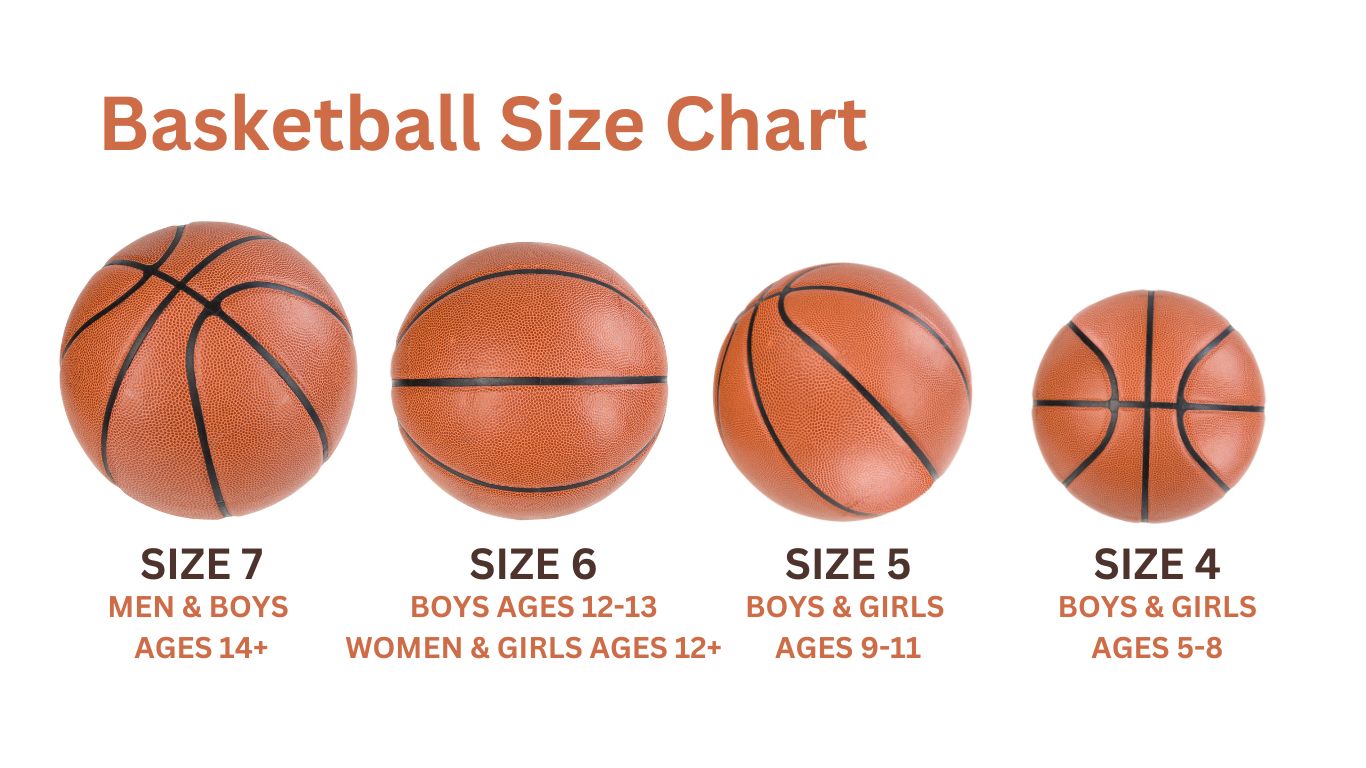
Image Source: 149347557.v2.pressablecdn.com
The Science Behind the Bounce: Why Basketball Pressure Matters
A basketball’s pressure is more than just a number; it dictates its performance on the court. The correct basketball inflation pressure affects how the ball travels, how it grips, and how it feels in your hands.
The Ideal Basketball Bounce Pressure
The basketball bounce pressure is what gives the ball its liveliness. When you drop a properly inflated basketball from waist height, it should bounce back up to about hip height. This consistent bounce is crucial for dribbling, passing, and shooting.
- Too Low Pressure: A soft ball will absorb too much energy upon impact, resulting in a weak, inconsistent bounce. Dribbling becomes a chore, and shooting accuracy suffers.
- Too High Pressure: An overinflated ball will be too springy. It will bounce erratically and might feel slippery, making it hard to control. It can also increase the risk of the ball bursting or damage to the rim and backboard.
How Much Air in a Basketball: Official Guidelines
The rules for professional leagues like the NBA are very specific about regulation basketball pressure. These standards are in place to ensure fair play and consistent performance across all games.
NBA Basketball Psi: The Benchmark
The National Basketball Association (NBA) mandates that a basketball should be inflated to a pressure of 7.5 to 8.5 psi. This is the NBA basketball psi that players train with and compete with. This precise range ensures the ball has a predictable and reliable bounce, which is critical for the fast-paced nature of professional basketball.
Regulation Basketball Pressure: Beyond the NBA
While the NBA sets a high standard, other leagues and governing bodies often follow similar guidelines. The general consensus for regulation basketball pressure for most competitive play falls within this 7.5 to 8.5 psi range. However, some variations might exist depending on the specific governing body or tournament rules. It’s always best to check the official rules if you’re playing in a league with specific equipment requirements.
Determining Your Basketball’s Pressure: Tools and Techniques
Accurately measuring and maintaining your basketball’s pressure is straightforward with the right tools.
The Importance of a Basketball Pressure Gauge
A basketball pressure gauge is an essential accessory for any serious basketball player or coach. Relying on feel alone can be misleading. A gauge provides an objective measurement, ensuring your ball is always inflated correctly.
- Digital vs. Analog Gauges: Digital gauges offer precise readings and are easy to read. Analog gauges are typically less expensive but can sometimes be less accurate. Both serve the purpose well.
- How to Use a Basketball Pressure Gauge:
- Locate the inflation valve on the basketball.
- Gently unscrew the valve cap.
- Press the gauge’s needle firmly into the valve until it stops.
- Read the pressure displayed on the gauge.
- If the pressure is too low, inflate the ball using a basketball pump.
- If the pressure is too high, release a small amount of air by pressing the valve with a pin.
- Re-check the pressure after making adjustments.
The Role of a Basketball Pump
A basketball pump is the tool you’ll use to add air to your ball. Most pumps come with various needles that fit the inflation valve.
- Manual Pumps: These are common and affordable. They require manual effort to pump air.
- Electric Pumps: For convenience, especially if you have multiple balls or need to inflate them frequently, an electric pump can be a worthwhile investment.
Finding the Best Psi for Your Basketball
While official regulations provide a solid baseline, the best psi for basketball can also be influenced by personal preference and the type of ball you are using.
Adjusting for Different Ball Types
Different basketballs are made from various materials and are designed for different playing surfaces. This can sometimes influence the ideal inflation.
- Indoor Leather Basketballs: These are typically used on polished indoor courts. They often perform best within the standard 7.5-8.5 psi range.
- Outdoor Rubber Basketballs: Designed for concrete or asphalt courts, these balls can sometimes be slightly more forgiving with pressure. While still aiming for the general range, a touch less pressure might make them feel a bit softer and more controllable on rougher surfaces. However, never go too low, as this can affect their bounce significantly.
- Youth Basketballs: Smaller and lighter, youth basketballs may have slightly different recommended pressure ranges, often printed on the ball itself. It’s crucial to check the ball’s specifications.
Personal Preference and Feel
Some players might have a slight preference for a ball that feels a little firmer or a little softer.
- Firmer Feel: If you prefer a ball that feels more responsive and pops off your hands, you might lean towards the higher end of the recommended range (around 8.5 psi).
- Softer Feel: If you like a ball that feels more forgiving and easier to grip, you might opt for the lower end (around 7.5 psi).
However, it’s crucial to reiterate that deviating too far from the recommended 7-9 psi can negatively impact performance and potentially damage the ball. Always use a basketball pressure gauge to confirm your adjustments.
Maintaining Your Basketball’s Pressure: Tips for Longevity
Keeping your basketball properly inflated is vital for its performance and lifespan.
Regular Checks are Key
Don’t wait until your ball feels flat to check its pressure. Make it a habit to check the basketball ball pressure at least once a week, especially if you play frequently.
Preventing Air Loss
- Moistening the Needle: Before inserting the inflation needle into the valve, dip it in water or saliva. This helps create a better seal and prevents air from escaping.
- Proper Valve Cap: Always ensure the valve cap is securely tightened after inflating. This acts as a secondary seal.
- Avoiding Extreme Temperatures: Exposing your basketball to extreme heat or cold can affect the air pressure inside. Store your ball in a moderate environment.
What to Do if Your Ball Isn’t Holding Air
If you find your basketball consistently losing air, it might have a leak.
- Check the Valve: Sometimes, the valve itself can be the issue. Try carefully cleaning the valve area or gently inserting a bit of petroleum jelly around it.
- Inspect for Punctures: Look for any visible punctures or damage to the ball’s surface. A small puncture might be fixable with a patch kit designed for sports balls.
Common Questions About Basketball Inflation
Here are some frequently asked questions about how much air in a basketball.
FAQ: Basketball Inflation
Q1: Can I use a bicycle pump to inflate a basketball?
A1: Yes, most bicycle pumps can inflate a basketball, provided they have the correct needle attachment. Just be sure to use a basketball pressure gauge to monitor the pressure.Q2: How do I know if my basketball is overinflated?
A2: An overinflated basketball will feel very hard and stiff. It will also bounce much higher than expected and might feel difficult to grip. Using a basketball pressure gauge is the best way to confirm.Q3: How do I know if my basketball is underinflated?
A3: An underinflated basketball will feel soft and squishy. It will have a weak dribble and won’t bounce back up effectively when dropped. Again, a basketball pressure gauge is your best friend here.Q4: Does the type of basketball pump affect the pressure?
A4: The type of pump itself doesn’t directly affect the pressure, but the basketball pump psi capacity and the accuracy of the gauge attached (if any) are important. Always aim for consistent inflation using a reliable gauge.Q5: What is the best psi for a youth basketball?
A5: Youth basketballs often have specific recommendations printed on the ball. Generally, they might be slightly lower than adult balls, but always check the ball’s specifications first.Q6: How often should I check my basketball’s pressure?
A6: It’s recommended to check your basketball’s pressure at least once a week, or before each significant play session. Consistent basketball ball pressure is crucial for performance.Q7: What does “psi” mean?
A7: PSI stands for “pounds per square inch,” a unit of pressure. It measures how much force is exerted on a surface. In the context of a basketball, it refers to the air pressure inside the ball.
By paying attention to the proper basketball psi, using the right tools like a basketball pressure gauge and basketball pump, and following these tips, you can ensure your basketball provides the best possible performance and lasts for many games to come. Remember, the perfect basketball inflation pressure is the key to a great game!