
So, how much do basketball officials get paid? The answer varies greatly, from a few hundred dollars for a single high school game to potentially hundreds of thousands annually for top NBA referees. Several key factors, including the league, experience level, and the number of games officiated, directly influence a basketball official’s income.
Becoming a basketball official can be a rewarding career path for those passionate about the game and seeking a way to stay involved. Beyond the love of the sport, however, there’s the practical question of compensation. This comprehensive guide delves into the various pay structures and income potentials for basketball officials across different levels of play, from youth leagues to the professional ranks. We’ll explore the factors that shape their earnings, the typical salary ranges, and what it takes to climb the referee pay scales.
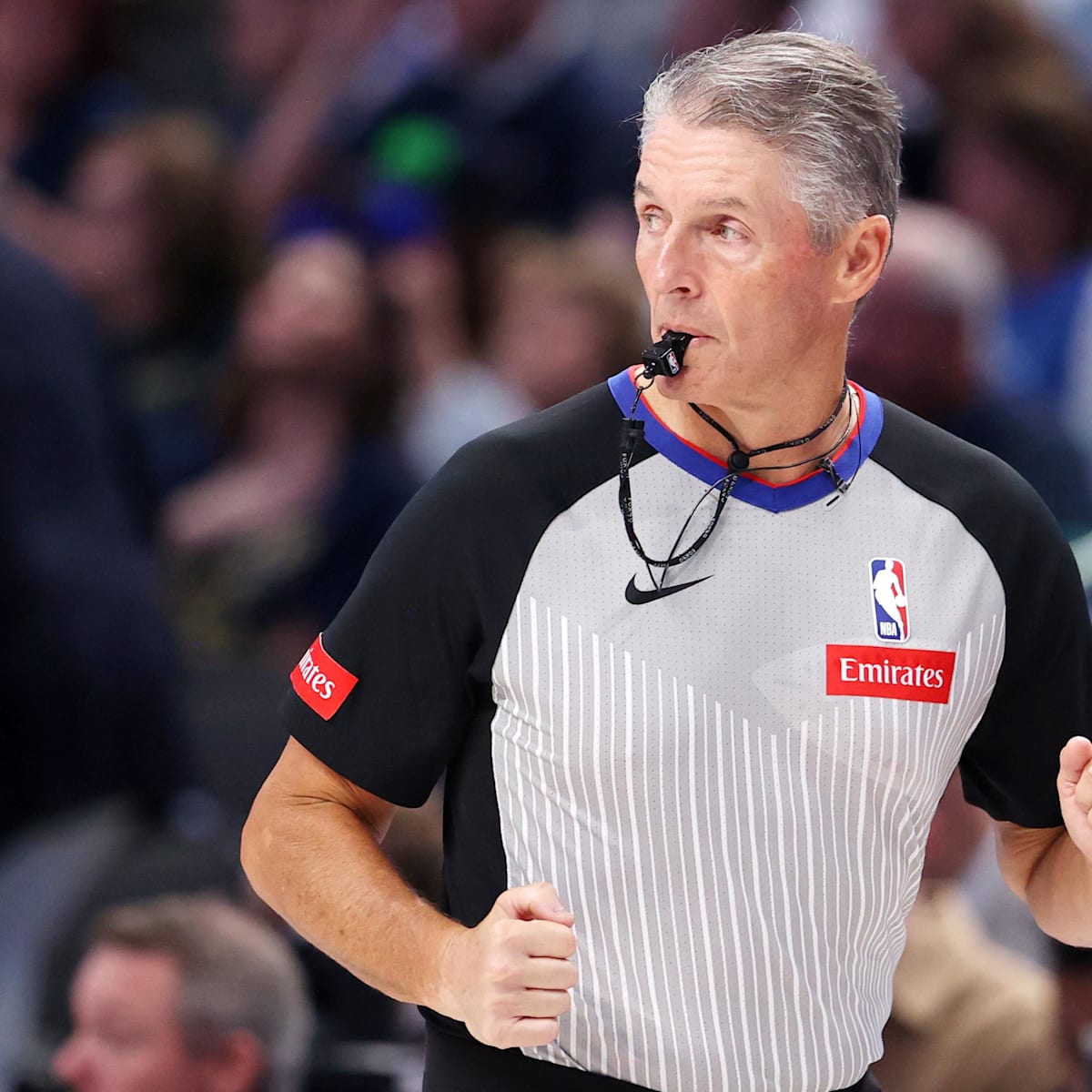
Image Source: images2.minutemediacdn.com
Deciphering Basketball Referee Salary Structures
The compensation for basketball officials isn’t a one-size-fits-all approach. Instead, it’s a complex system influenced by the governing body, the level of competition, and the individual’s tenure and performance. This section will break down the core elements that determine how much a basketball official earns.
Key Factors Affecting Referee Pay
Several elements contribute to the overall income of a basketball official. Understanding these can provide clarity on the wide range of potential earnings:
- League/Level of Play: This is arguably the most significant determinant. Professional leagues like the NBA pay substantially more per game than collegiate or high school associations. Youth leagues, while crucial for developing talent, offer the lowest per-game rates.
- Experience and Seniority: Like many professions, experience matters. Referees who have officiated for many years, demonstrating consistent performance and a deep understanding of the rules, generally command higher pay. This often translates to more prestigious assignments and better compensation.
- Number of Games Officiated: Basketball officials are typically paid on a per-game basis. Therefore, the more games an official works, the higher their annual income will be. This means officials working multiple leagues or levels simultaneously can significantly boost their earnings.
- Performance and Evaluation: Many officiating associations and leagues have performance-based incentives or pay adjustments. Consistent, high-quality officiating, as determined by game supervisors and evaluation metrics, can lead to better assignments and, consequently, higher pay.
- Travel and Expenses: While not always directly part of the per-game pay, allowances for travel and accommodation can contribute to an official’s overall financial well-being, especially for those working games in different cities or states.
- Unionization/Association Membership: Membership in referee associations or unions can influence pay rates through collective bargaining. These organizations often negotiate standardized pay scales and benefits for their members.
Referee Pay Scales: A Hierarchical Look
Referee pay scales generally increase with the level of competition. Here’s a general hierarchy, though specific figures can fluctuate:
- Youth Basketball: Entry-level.
- High School Basketball: Intermediate.
- College Basketball (NCAA Divisions I, II, III): Advanced.
- Professional Basketball (NBA, WNBA, G League): Expert.
NBA Official Pay: The Pinnacle of Basketball Officiating
The National Basketball Association (NBA) represents the highest level of professional basketball officiating. The compensation for NBA referees is commensurate with the demanding nature of their work, the skill required, and the global recognition of the league.
NBA Referee Compensation Explained
NBA officials are not just arbiters of the game; they are seasoned professionals with extensive experience and rigorous training. Their pay reflects this expertise.
- Per-Game Rates: NBA referees earn a significant sum for each game they officiate. These rates are negotiated and can vary based on seniority within the league.
- Annual Salaries: While paid per game, the sheer volume of games officiated over an NBA season (which includes regular season, playoffs, and sometimes international games) allows top referees to earn substantial annual salaries.
- Playoff Bonuses: Referees who work playoff games often receive additional compensation, reflecting the increased stakes and importance of these assignments.
- Benefits: NBA officials typically receive comprehensive benefits packages, including health insurance, retirement plans, and sometimes travel stipends, which add to their overall financial security.
Estimated NBA Official Income
While official NBA figures are not publicly disclosed, industry estimates and reports from credible sources suggest that NBA referees can earn anywhere from $150,000 to over $500,000 per year. The highest-paid referees, often those with many years of experience and assignments in the NBA Finals, likely fall at the upper end of this spectrum.
The Path to Becoming an NBA Official
The journey to becoming an NBA referee is long and competitive. It typically involves:
- Officiating at lower levels (high school, college).
- Attending specialized referee training camps and academies.
- Being evaluated and selected by NBA scouting programs.
- Working in developmental leagues like the NBA G League.
- Demonstrating exceptional rule knowledge, game management skills, and physical fitness.
WNBA Referee Compensation: Upholding Fairness in the Women’s Game
The Women’s National Basketball Association (WNBA) offers another professional platform for basketball officials. While the league’s financial structure differs from the NBA, WNBA referee compensation is competitive and reflects the professional status of the league and its officials.
Figures for WNBA Referee Pay
Similar to the NBA, precise WNBA referee salaries are not always public. However, reports indicate a solid earning potential for those working in this league.
- Per-Game Earnings: WNBA referees receive a set rate for each game they officiate. This rate is generally lower than NBA rates but still represents professional-level compensation.
- Season Length: The WNBA season is shorter than the NBA season, which will naturally impact annual earnings. However, the per-game rates are designed to be competitive.
- Playoff Assignments: Like their NBA counterparts, WNBA referees who officiate playoff games can expect increased earnings.
Typical WNBA Official Earnings
Estimates suggest that WNBA referees can earn between $30,000 and $60,000 annually, with more experienced and highly-rated officials potentially earning more. This figure often includes a base salary component along with per-game fees.
Key Aspects of WNBA Officiating
- Professional Standards: WNBA officials are held to the same high standards of professionalism, rule knowledge, and game management as any other professional league.
- Developmental Pathway: Many WNBA referees begin their careers officiating at collegiate or other professional levels before being considered for the WNBA.
College Basketball Official Earnings: Navigating the Collegiate Ranks
College basketball, particularly NCAA Division I, is a significant proving ground for officials and a substantial source of income for many. The pay here is structured differently from professional leagues, often involving conference-specific rates and a mix of per-game fees and potential stipends.
NCAA Division I Referee Pay
NCAA Division I basketball officials are often considered semi-professionals or full-time professionals depending on their workload and other officiating assignments.
- Conference Rates: Each NCAA conference often establishes its own referee pay scale. This means that an official working in the Big Ten might have a different per-game rate than one working in the SEC.
- Game Fees: Officials are paid a fee for each game they work. These fees can vary based on the importance of the game (e.g., regular season vs. conference tournament) and the referee’s experience level within that conference.
- Travel and Per Diem: Many conferences provide allowances for travel and a per diem (daily allowance) to cover meals and other expenses, adding to the overall compensation.
- NCAA Tournament Assignments: Officials selected to work in the NCAA Men’s and Women’s Basketball Tournaments receive a premium rate for these high-profile games, significantly boosting their annual income for that year.
Average College Basketball Official Income
The average basketball official income for NCAA Division I referees can range from $2,000 to $5,000 per game. For officials who work a full conference schedule and are selected for postseason tournaments, annual earnings can reach upwards of $50,000 to $100,000 or more, especially for those who officiate multiple conferences or levels.
NCAA Divisions II and III Pay
While NCAA Division I offers the highest collegiate rates, officials in Divisions II and III also earn compensation, albeit at lower per-game figures.
- Division II: Rates are typically lower than Division I but still represent a respectable income for part-time work.
- Division III: This level generally offers the lowest per-game rates within the NCAA system, often reflecting fewer games and a more regional focus.
High School Basketball Umpire Pay: The Foundation of Officiating
High school basketball officiating is often the starting point for aspiring referees and a valuable source of income for many individuals. The pay is generally lower than collegiate or professional levels but provides essential experience and consistent work.
High School Basketball Official Rates
High school officials are typically paid on a per-game basis, with rates varying significantly by state, district, and the specific athletic association governing high school sports.
- State Association Rates: Each state has its own athletic association that often sets minimum pay rates for officials in various sports, including basketball.
- District/League Variations: Within a state, individual school districts or athletic leagues might have their own pay scales that can be higher than the state minimum.
- Experience Levels: Like other levels, more experienced high school referees may command slightly higher per-game rates.
- Game Length and Level: Junior varsity (JV) games often pay less than varsity games.
Average High School Basketball Official Income
The average basketball official income for a high school game can range from $50 to $150 per game. An official working a full high school schedule, often covering multiple schools and junior varsity and varsity contests, could potentially earn $5,000 to $15,000 or more annually, depending heavily on the number of games and the specific rates in their area.
Getting Started in High School Officiating
To officiate high school basketball, individuals typically need to:
- Attend a recognized referee training clinic.
- Pass written exams on basketball rules.
- Register with their state’s high school athletic association.
- Undergo background checks.
Youth Basketball Official Rates: Introducing the Future Talent
Youth basketball, encompassing leagues for younger players (e.g., elementary and middle school), provides crucial officiating opportunities, though the pay is generally the lowest. This level is often where new officials gain experience.
Youth League Compensation
Youth basketball officials are almost exclusively paid per game. The rates are set by the specific league or organization running the games.
- League Policies: Each youth league or recreational department will have its own established pay rates for referees.
- Age Groups: Games for older youth (e.g., 13-14) might pay slightly more than games for younger children (e.g., 8-10).
- Game Length: Youth games are typically shorter than high school or college games, which is reflected in the pay.
Typical Youth Basketball Official Earnings
The youth basketball official rates typically range from $20 to $50 per game. While the per-game earnings are modest, officiating many youth games can provide a consistent, albeit supplementary, income for those involved.
Importance of Youth Officiating
Even though the pay is lower, youth basketball officiating is vital for:
- Developing Officials: It’s the initial training ground for learning the rules and managing young athletes.
- Introducing Kids to the Game: Fair and consistent officiating helps create a positive experience for young players.
- Community Involvement: It allows individuals to contribute to their local sports community.
Basketball Officiating Jobs: Finding Your Place on the Court
The landscape of basketball officiating jobs is diverse, offering opportunities at various levels. Whether you’re looking for a full-time career or a part-time way to earn extra income, understanding where to find these roles is key.
Where to Find Basketball Officiating Jobs
- State Athletic Associations: For high school and sometimes junior high sports, state athletic associations are the primary governing bodies and often list requirements and contact information for local assigners.
- Collegiate Conferences: Each NCAA conference has an officiating coordinator who manages assignments for games within that conference. Contacting these coordinators is often how officials get opportunities.
- Referee Assigners: For many leagues, especially at the high school and youth levels, there are independent or league-assigned officials’ coordinators (assigners) who schedule referees for games.
- Basketball Organizations: Local YMCAs, recreational leagues, AAU (Amateur Athletic Union) programs, and other youth sports organizations regularly hire officials.
- Officiating Clinics and Camps: Attending these events can lead to networking opportunities and direct job placements.
- Online Job Boards: While less common for direct assignments, some sports officiating websites or general job boards might list openings.
Building a Career in Officiating
A successful career in basketball officiating often requires:
- Continuous Learning: Staying updated on rule changes and interpretations.
- Networking: Building relationships with other officials, assigners, and league administrators.
- Performance: Consistently demonstrating strong officiating skills.
- Professionalism: Maintaining a positive attitude and being reliable.
Frequently Asked Questions About Basketball Official Pay
Q1: What is the average basketball official income per year?
A1: The average basketball official income varies greatly. A high school official might earn $5,000-$15,000 annually, a college official could earn $50,000-$100,000+, and professional NBA referees can earn $150,000-$500,000+. These figures depend heavily on the level of play and the number of games officiated.
Q2: Can I make a full-time living as a basketball official?
A2: Yes, it is possible to make a full-time living as a basketball official, particularly if you officiate at the collegiate or professional levels (NBA, WNBA) and secure a high volume of games, including playoff assignments. Many officials at lower levels do so as a supplementary income.
Q3: How do NBA referees get paid?
A3: NBA referees are paid a substantial per-game fee, which varies by seniority. They also receive a salary, and playoff assignments come with bonuses. Their annual earnings are among the highest in basketball officiating.
Q4: Is there a difference in pay between male and female referees?
A4: At the professional levels like the NBA and WNBA, while the specific pay scales are not always public, the goal is generally equal pay for equal work. However, the overall earning potential is influenced by the league’s revenue and the length of its season. In lower levels, pay is often standardized by the governing body for all officials, regardless of gender.
Q5: What are the requirements to become a basketball official?
A5: Requirements vary by level but generally include passing rule exams, attending training clinics, registering with governing bodies (like state high school associations or collegiate conferences), and often passing a background check. For professional leagues, extensive experience at lower levels is crucial.
Q6: Does experience significantly impact how much a basketball official gets paid?
A6: Yes, experience is a major factor. More experienced officials typically command higher per-game rates, receive more prestigious assignments, and are more likely to be selected for playoff games, all of which contribute to a higher overall income.
Q7: How are basketball officials assigned to games?
A7: Officials are typically assigned games by referee assigners or coordinators who manage schedules for specific leagues or conferences. These assigners consider factors like availability, performance history, and experience when making assignments.
Q8: Are there benefits associated with being a basketball official?
A8: Benefits vary greatly by level. Professional leagues like the NBA and WNBA often provide comprehensive benefits packages, including health insurance and retirement plans. At lower levels, benefits are less common, though some associations might offer liability insurance or access to training resources.
By exploring these different levels and understanding the factors that influence compensation, aspiring and current basketball officials can better gauge their earning potential and plan their careers on the court.