
What’s the best way to get traction on basketball shoes? Ensuring your basketball shoes have excellent grip is paramount for peak basketball performance. You can achieve this through a combination of choosing the right shoes, maintaining them properly, and adapting to different court surface conditions.
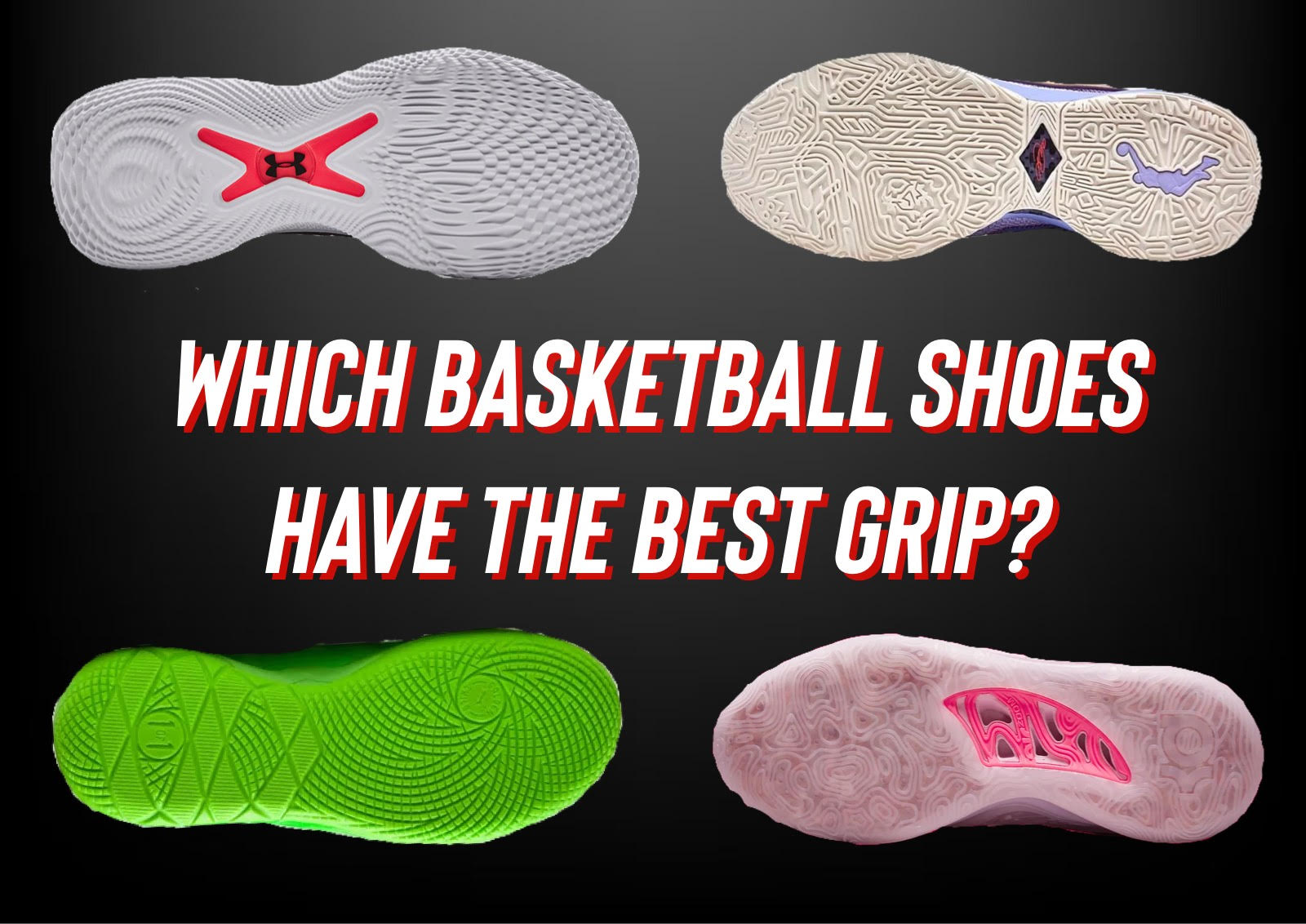
Image Source: gripspritz.com
The Foundation of Footing: Shoe Design and Grip
The ability of your basketball shoes to stick to the hardwood is largely determined by their design. Two key elements play a crucial role in this: the sole pattern and the rubber compound.
Deciphering the Sole Pattern
The outsole of a basketball shoe is its direct point of contact with the court surface. The patterns etched into this rubber are not just decorative; they are engineered to maximize grip.
Common Sole Patterns and Their Benefits
- Herringbone: This is perhaps the most ubiquitous and effective sole pattern in basketball. It features a series of V-shaped or zigzag lines that offer multidirectional traction. This allows for quick stops, sharp cuts, and explosive changes in direction. The crisscrossing lines create numerous edges that bite into the court, providing excellent stickiness.
- Circular/Radial Patterns: Some shoes feature circular or radial patterns, often with smaller grooves or nubs. These can offer good grip, especially in specific directions, and are sometimes favored for their durability. They can provide a more consistent feel on the court.
- Wavy Lines/Tidal Patterns: These patterns use fluid, wave-like grooves. They are designed to channel away dust and debris, maintaining grip even on slightly less-than-pristine courts. They offer a good balance of multidirectional traction and comfort.
- Combination Patterns: Many modern basketball shoes utilize a blend of these patterns. For example, a herringbone pattern might be used in the heel for stability, while a circular pattern is used in the forefoot for pivoting. This strategic placement ensures optimal grip where it’s needed most.
The Importance of Groove Depth and Width
The depth and width of the grooves in the sole pattern also matter. Deeper grooves can help to displace more dust and offer more biting edges, contributing to superior grip. Wider grooves might offer better durability by reducing the amount of rubber that can wear down quickly, but they might also pick up more debris. The ideal balance depends on the intended use and court surface.
The Magic of the Rubber Compound
Beyond the pattern, the actual material of the outsole – the rubber compound – is critical for grip. Manufacturers experiment with various rubber formulations to achieve different properties.
What Makes Rubber “Sticky”?
- Durometer (Hardness): Softer rubber compounds generally offer better grip and stickiness because they can conform more easily to the texture of the court surface. However, softer rubber tends to wear down faster. Harder rubber is more durable but might sacrifice some grip.
- Tackiness: Some rubber compounds are formulated to be inherently tacky. This tackiness allows the shoe to “grab” onto the court, providing exceptional grip. This is often what contributes to that satisfying squeak on clean courts.
- Gummy vs. Firm: Think of it like the difference between gummy bears and hard candy. Gummy compounds offer more initial stickiness, while firmer compounds provide more support and durability. Basketball shoe designers aim for a balance.
Finding the Right Balance: Performance vs. Durability
There’s an inherent trade-off between optimal grip and durability. A softer, stickier rubber compound will likely offer superior initial traction and a satisfying squeak. However, it will also experience more wear and tear over time, leading to a loss of grip sooner. A harder, more durable rubber compound will last longer but might not provide the same level of immediate stickiness.
The “Squeak” Factor: A Sign of Good Grip?
The characteristic squeak of basketball shoes is often a desirable indicator of good grip. It occurs when the rubber outsole creates friction against a clean, smooth court surface, releasing trapped air.
- Clean Courts: On a clean hardwood court, a good rubber compound and sole pattern will produce a loud squeak. This is a sign that your shoes are effectively gripping the surface.
- Dirty Courts: If your shoes aren’t squeaking, it might mean there’s a film of dust or sweat on the court or the outsole itself. This dust acts as a lubricant, reducing grip.
- Worn-Out Soles: Conversely, a lack of squeak can also indicate that the rubber compound has worn down, and the sole pattern is no longer effectively biting into the court.
Maintaining Your Grip: Essential Care Tips
Even the best basketball shoes can lose their grip if not maintained properly. Consistent care is key to preserving their performance and extending their lifespan.
Keeping Your Outsoles Clean
This is arguably the most crucial step in maintaining grip. Dust, dirt, sweat, and court grime can accumulate on the outsole, creating a barrier between the rubber and the court surface.
Effective Cleaning Methods
- Wire Brush: A soft wire brush (often brass bristles) is excellent for gently scrubbing away accumulated dust and debris from the grooves of the outsole. Do this after every playing session.
- Damp Cloth: A slightly damp cloth can be used to wipe down the outsole to remove surface dirt and oils. Avoid using excessive water, as this can take a long time to dry and potentially affect the shoe’s materials.
- Specialized Shoe Cleaners: There are cleaning solutions specifically designed for athletic shoes. Follow the product instructions carefully.
- Avoid Harsh Chemicals: Never use strong detergents, solvents, or bleach, as these can degrade the rubber compound and damage the shoe’s construction, affecting durability and grip.
The Role of Shoe Wipes
Pre-moistened shoe wipes can be a convenient way to clean your shoes on the go, especially during tournaments or practices. They are formulated to lift dirt without damaging the materials.
Proper Storage
How you store your basketball shoes when not in use also impacts their grip.
Best Practices for Shoe Storage
- Aerate: After playing, allow your shoes to air out. Remove them from your gym bag and place them in a well-ventilated area. This helps to dry out sweat and prevent odor buildup, which can sometimes affect the rubber compound.
- Avoid Direct Sunlight and Heat: Prolonged exposure to direct sunlight or high heat can cause the rubber to dry out, crack, and lose its stickiness. Store them in a cool, dry place.
- Shoe Trees: Using cedar shoe trees can help absorb moisture and maintain the shoe’s shape, indirectly contributing to their longevity and consistent grip.
Dealing with Wear and Tear
Even with the best care, wear and tear are inevitable. Recognizing when your shoes are losing their optimal grip is important.
Signs of Grip Degradation
- Reduced Squeak: As mentioned, a significant decrease in the squeak can indicate worn-down rubber.
- Slipping: If you find yourself slipping more during movements, especially on clean courts, it’s a clear sign your grip has diminished.
- Visible Outsole Wear: Check the sole pattern. If the grooves are flattened, the rubber is significantly thinned, or there are bald spots, the grip will be compromised.
Adapting to Different Court Surfaces
The court surface you play on significantly impacts how your basketball shoes perform. Different surfaces require different approaches to maintaining grip.
Hardwood Courts
These are the most common surfaces for indoor basketball.
- Ideal Conditions: Clean, polished hardwood offers the best grip for most basketball shoes. The smooth, porous surface allows the rubber compound to adhere well.
- Challenges: Dust, sweat, and moisture can quickly reduce grip. Regular cleaning of both shoes and courts is essential.
Outdoor Courts (Asphalt, Concrete)
Outdoor courts present a different set of challenges.
- Surface Roughness: Asphalt and concrete are much rougher than hardwood. This can increase wear and tear on the outsole, especially on softer rubber compounds.
- Debris: Outdoor courts are more prone to dirt, sand, pebbles, and other debris, which can get lodged in the sole pattern and reduce grip.
- Water and Weather: Rain and moisture can make outdoor courts very slippery. The rougher surface might offer some grip when wet, but it’s generally less reliable than dry conditions.
- Shoe Choice: For outdoor play, shoes with harder, more durable rubber compounds and deeper, more aggressive sole patterns are generally recommended. These can withstand the rougher surfaces and offer better longevity, even if they sacrifice a bit of that initial stickiness found on indoor courts.
Rubberized Courts
These courts, often found in parks or recreational facilities, have a different feel.
- Tackiness: Some rubberized surfaces can be quite tacky themselves, offering good initial grip.
- Debris Magnet: However, they can also attract and hold onto fine dust and dirt, which can then transfer to your shoe’s outsole, reducing its grip.
- Wear: Depending on the specific material, they can also cause unique wear and tear patterns on your shoes.
Maximizing Traction: Practical Tips and Tricks
Beyond general maintenance, there are specific techniques players can employ to enhance their grip.
The “Shoe Scuff”
This is a common practice on the sidelines.
- What it is: Players will often lightly scuff the bottom of their shoes against a clean, dry portion of the court floor.
- Why it works: This quickly removes any accumulated dust or debris from the outsole, refreshing the stickiness and restoring the squeak. It’s a quick fix for a temporary loss of grip.
Pre-Game Preparation
Arrive early to games and practices to give yourself time to prepare your shoes.
- Clean Soles: Ensure your soles are clean before you even step onto the court for warm-ups.
- Test Grip: Pay attention to how your shoes feel during the first few minutes of warm-ups. This is your chance to adjust and ensure your grip is optimal.
What NOT to Do for Grip
There are many myths and potentially damaging “hacks” that people try to improve grip. Avoid these.
- Spitting on Soles: This is unhygienic and ineffective. Sweat and saliva can leave a greasy residue that actually reduces grip.
- Rubbing on Jeans/Fabric: While this might remove some dust, it can also embed fibers into the rubber, potentially reducing traction and causing premature wear and tear.
- Using Sticky Substances: Applying things like pine tar or sticky sprays can seem like a good idea, but they can create an uneven surface, attract excessive dirt, and damage the rubber compound, ultimately harming your grip and shoe durability.
When It’s Time for New Shoes
No matter how well you maintain them, basketball shoes have a finite lifespan. Recognizing when it’s time for a replacement is crucial for maintaining basketball performance and preventing injuries.
Indicators for Replacement
- Severely Worn Outsole: If the sole pattern is flattened or bald in key areas, the grip is significantly compromised.
- Loss of Cushioning: The cushioning system in shoes breaks down over time, even if the outsole still has some life. This impacts comfort and impact absorption.
- Damaged Upper: Tears, holes, or stretched materials in the shoe’s upper can compromise support and stability.
- Persistent Slipping: If you’ve tried cleaning and scuffing, and you still experience consistent slipping, your shoes are likely past their prime for grip.
Choosing Your Next Pair
When selecting new shoes, pay close attention to:
- Intended Use: Will you be playing indoors or outdoors? This dictates the type of rubber compound and sole pattern you need.
- Court Surface: Consider the typical condition of the courts you play on.
- Player Style: Do you rely on quick cuts and explosive movements? Prioritize shoes with excellent multidirectional traction.
Frequently Asked Questions (FAQ)
Q1: Can I improve the grip of my old basketball shoes?
A1: You can temporarily improve the grip of old basketball shoes by thoroughly cleaning the outsoles and removing any worn-down rubber. However, once the rubber compound has significantly degraded or the sole pattern is flattened, it’s difficult to restore the original level of grip and stickiness. Replacing them is usually the best option.
Q2: How often should I clean my basketball shoes?
A2: It’s best to clean the outsoles of your basketball shoes after every playing session to remove accumulated dust and debris. A more thorough cleaning can be done periodically as needed.
Q3: Why do my new basketball shoes not squeak?
A3: New basketball shoes might not squeak immediately for several reasons:
* The rubber compound might be slightly harder and less tacky initially.
* The court surface might be slightly dusty or not perfectly clean.
* The sole pattern might not be designed to produce a loud squeak.
As you break them in and play on cleaner courts, they will likely start to squeak more.
Q4: Does the color of the rubber affect grip?
A4: Generally, the color of the rubber outsole itself does not significantly affect grip. The performance is determined by the rubber compound formulation and the sole pattern. However, lighter-colored rubbers might show dirt and wear more prominently.
Q5: Will playing on different courts wear out my shoes faster?
A5: Yes, playing on rougher surfaces like asphalt or concrete will cause more wear and tear on your basketball shoes compared to playing on indoor hardwood courts. This is especially true for the outsole and its rubber compound.
By focusing on the interplay between the sole pattern, the rubber compound, and diligent maintenance, you can ensure your basketball shoes provide the reliable grip you need to excel on the court. Remember, proper care not only enhances your basketball performance but also maximizes the durability of your footwear.