
Yes, women absolutely can wear men’s basketball shoes! The primary differences often lie in styling and colorways, but the core technology and performance features are generally the same. Many women find that men’s basketball sneakers offer a wider range of options and can provide an excellent fit and performance for their needs.
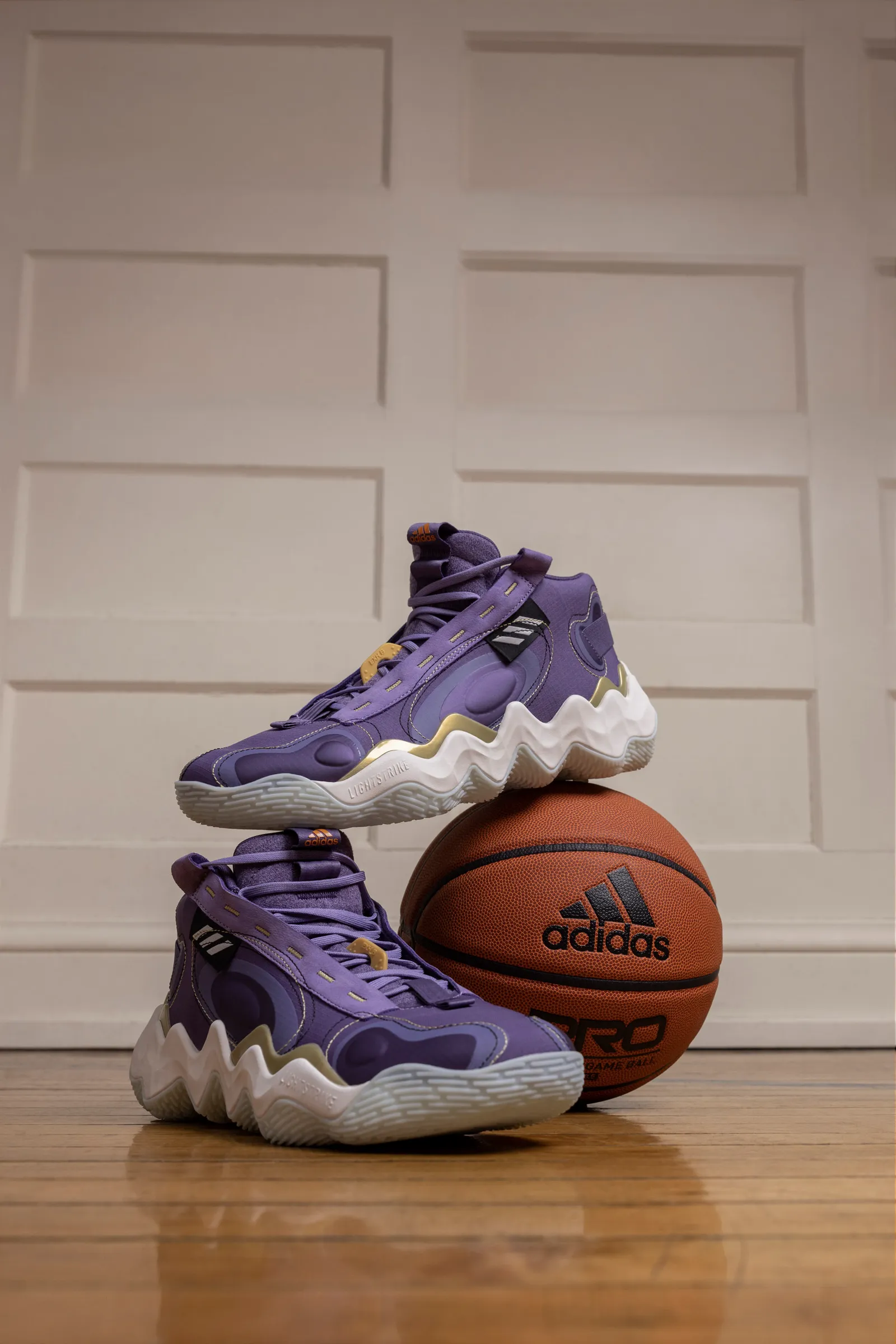
Image Source: spotlight153.com
Exploring the Intersection: Women and Men’s Basketball Footwear
The world of athletic footwear is constantly evolving, and the lines between traditional gendered designs are becoming increasingly blurred. For basketball players, especially women, the question of whether to don a pair of men’s basketball shoes is a common one. This guide aims to provide a comprehensive look at this topic, helping you make informed decisions about your basketball shoe fit and performance. We’ll delve into the similarities, differences, and considerations when women choose to wear men’s basketball sneakers for women.
The Allure of Men’s Basketball Sneakers for Women
For years, the basketball shoe market has been heavily skewed towards men. This has meant that women, seeking the latest performance technology and the most dynamic styles, have often found their options limited. Men’s basketball sneakers, however, typically boast a wider array of models, innovative cushioning systems, robust support structures, and eye-catching designs. This abundance naturally draws the attention of women who prioritize function and aesthetics in their athletic footwear. The concept of unisex basketball shoes is gaining traction, but traditionally, men’s lines have offered more variety.
Performance Parity: Are They Built the Same?
At their core, most basketball shoes, regardless of whether they are marketed towards men or women, are designed with the same fundamental goals in mind: to provide superior grip, cushioning, ankle support, and responsiveness for the demands of the game. The physics of basketball – jumping, landing, cutting, and quick directional changes – are universal. Therefore, the engineering behind these movements is often applied across the board.
However, there can be subtle design nuances. Men’s designs might cater to a slightly wider foot base on average, while some women’s basketball footwear may be engineered with a narrower heel or a more contoured arch to accommodate typical female foot anatomy. But this is not a hard and fast rule, and many brands are now offering more inclusive fits within their men’s lines.
Deciphering the Differences: What to Look For
When considering men’s basketball sneakers for women, it’s crucial to look beyond the label and focus on the tangible aspects of the shoe.
Sizing Nuances: A Critical Consideration
One of the most significant considerations is basketball shoe sizing women. Men’s and women’s shoe sizes are not a direct 1:1 conversion. Typically, a women’s size is 1.5 to 2 sizes larger than a men’s size. For example, a women’s size 8 is often equivalent to a men’s size 6.5 or 6.
Table 1: General Men’s to Women’s Shoe Size Conversion
| Men’s Size | Women’s Size (Approximate) |
|---|---|
| 6 | 7.5 |
| 6.5 | 8 |
| 7 | 8.5 |
| 7.5 | 9 |
| 8 | 9.5 |
| 8.5 | 10 |
| 9 | 10.5 |
| 9.5 | 11 |
| 10 | 11.5 |
| 10.5 | 12 |
Important Note: Always check the specific brand’s sizing chart. This table is a general guideline, and variations exist.
Factors Affecting Basketball Shoe Fit for Women
- Width: Men’s shoes can sometimes be wider. If you have narrower feet, this could be a point of concern.
- Arch Support: While some men’s shoes offer excellent arch support, others might be flatter. Women with high arches might need to consider adding insoles.
- Heel Counter: The heel counter, which stabilizes the heel, might be shaped differently. Some women find a more sculpted heel counter provides better lockdown.
Material and Construction: Performance Features
The materials and construction of basketball shoes are paramount for basketball performance women. Whether you choose men’s or women’s models, look for:
- Cushioning: Technologies like Nike Air, Adidas Boost, or Under Armour HOVR provide shock absorption and energy return. These are generally consistent across gender lines for the same model.
- Traction: The outsole pattern is critical for grip on the court. Most high-performance basketball shoes offer excellent traction.
- Support: Ankle collars (high-top, mid-top, low-top), midfoot shanks, and reinforced uppers contribute to stability.
- Breathability: Mesh and engineered textiles help keep feet cool during intense play.
The Rise of Gender-Neutral Basketball Shoes
The concept of gender-neutral basketball shoes is a positive development, reflecting a broader societal shift towards inclusivity. Brands are increasingly recognizing that performance and style are not dictated by gender. This means more athletic shoes for women are drawing inspiration from, or are direct equivalents to, men’s designs, often with subtle tweaks in color or marketing. The idea of gender non-conforming basketball shoes is also becoming more accepted, with individuals choosing footwear based on personal preference and performance needs, rather than prescribed gender norms.
Styling and Aesthetics: Personal Expression
One of the most apparent differences between men’s and women’s basketball shoes is the aesthetic. Men’s lines often feature bolder colorways, darker palettes, and more aggressive design elements. Women’s lines, while improving, can sometimes be limited to pastels or white.
If you’re a woman drawn to the performance features of a men’s model but aren’t thrilled with the color options, don’t despair!
- Customization: Many brands offer customization services, allowing you to create your own unique colorways.
- Subtle Colorways: Some men’s models come in more subdued colors (black, grey, white) that can be easily incorporated into any athletic wardrobe.
- Focus on Function: Ultimately, for serious players, performance should trump aesthetics. A shoe that enhances your game is more valuable than one that simply looks good but performs poorly.
Making the Switch: Practical Tips for Women
If you’re ready to explore the world of men’s basketball sneakers, here are some practical tips to ensure a successful transition and optimal basketball shoe fit for women:
1. Know Your Measurements
- Measure Your Foot: Don’t rely solely on your usual size. Measure the length and width of your foot in the afternoon, as feet tend to swell throughout the day.
- Check Insole Measurements: If possible, measure the insole of a pair of your current comfortable shoes. This can give you a more precise comparison.
2. Consult Sizing Charts Religiously
- Brand-Specific Charts: Every brand has its own sizing chart. Always refer to the specific chart for the shoe you are interested in.
- Compare Men’s and Women’s: Look for charts that directly compare men’s and women’s sizing.
3. Try Before You Buy (If Possible)
- In-Store Visits: The best way to ascertain fit is to try shoes on in person. Visit a sporting goods store and try on the men’s models you are considering.
- Wear Your Game Socks: Wear the type of socks you typically wear for basketball when trying on shoes. This will give you a more accurate sense of the fit.
4. Pay Attention to Width and Volume
- Foot Shape: If you have narrow feet, you might find men’s shoes a bit roomy. If you have wide feet, men’s shoes might be a more comfortable option.
- Lacing System: The lacing system can often help to snug up a shoe that’s slightly too wide.
5. Consider Insoles and Orthotics
- Arch Support: If a men’s shoe lacks the arch support you need, consider purchasing aftermarket insoles or custom orthotics. These can significantly improve comfort and performance.
- Volume Adjustment: Insoles can also help fill up excess volume in a shoe that feels a little too loose.
6. Read Reviews from Other Women
- Community Feedback: Look for reviews or forum discussions from other women who have purchased and played in men’s basketball shoes. They can offer valuable insights into fit and performance.
- Specific Model Insights: Some women might find certain men’s models fit better than others due to variations in last (the mold on which a shoe is made).
Case Studies: Women Thriving in Men’s Lines
Many professional and amateur female basketball players opt for men’s basketball shoes due to the wider selection and advanced technology. They find that by carefully selecting sizes and potentially adding insoles, they can achieve a perfect fit that maximizes their basketball performance women.
- Player A: A point guard with wider feet found that many women’s specific basketball shoes were too narrow. She switched to a men’s low-top model, going down 1.5 sizes, and found the fit to be significantly more comfortable and secure, allowing for quicker cuts and better court feel.
- Player B: A forward with a high arch struggled with the lack of support in some women’s models. She discovered a men’s mid-top shoe with excellent cushioning and a supportive heel counter. By adding a performance insole, she achieved the ideal balance of comfort, stability, and responsiveness.
These examples highlight that with careful consideration and a willingness to explore beyond traditional marketing, women can find exceptional athletic shoes for women within the men’s basketball shoe market.
Frequently Asked Questions (FAQ)
Q1: Will men’s basketball shoes be too wide for me?
- A1: This depends on your foot width. Many women have narrower feet than the average man. If you find men’s shoes feel too roomy, consider going down a half-size more than usual, trying models with more robust lacing systems, or using thicker socks and insoles.
Q2: Can I find men’s basketball shoes in women’s sizes?
- A2: While brands are improving, direct equivalents are still rare. The common practice is to convert your women’s size to a men’s size (e.g., Women’s 8 = Men’s 6 or 6.5). Always check the specific brand’s conversion chart.
Q3: Are the performance features the same in men’s and women’s basketball shoes?
- A3: Generally, yes, for the same model. Core technologies like cushioning, traction, and support are often identical. However, some women’s specific models might have slight adjustments for fit, such as a narrower heel or a different arch contour.
Q4: What if I don’t like the colors of men’s basketball shoes?
- A4: Many men’s basketball sneakers come in neutral colors like black, white, and grey, which are versatile. Additionally, brands often offer customization options, allowing you to create your own unique colorway.
Q5: Is it okay to wear men’s basketball shoes if I identify as female?
- A5: Absolutely! Footwear choice is personal. If men’s basketball sneakers offer a better fit, performance, or style for you, then they are the right choice. The growing trend of gender-neutral basketball shoes supports this idea.
Q6: How do I adjust for the size difference when buying men’s basketball shoes?
- A6: The most common conversion is to subtract 1.5 sizes from your women’s size to get the men’s size. So, if you wear a women’s size 9, you would typically look for a men’s size 7.5. Always verify with the brand’s specific sizing chart.
Q7: Can wearing men’s basketball shoes affect my basketball performance?
- A7: If the shoes fit properly and provide the necessary support and cushioning, they should enhance, not hinder, your basketball performance women. An ill-fitting shoe, regardless of its intended gender, will negatively impact your game.
Q8: Are there any brands that specialize in gender-neutral or inclusive basketball footwear?
- A8: While many major brands are moving towards inclusivity, some smaller brands and specific lines are designed with a broader appeal. It’s worth researching brands that emphasize gender non-conforming basketball shoes or unisex basketball shoes.
By understanding these points and approaching your footwear selection with a focus on fit and function, women can confidently explore and benefit from the wide range of high-performance options available in men’s basketball sneakers. The goal is to find the best athletic shoes for women that support your game, and sometimes, that means stepping outside the traditionally defined categories.