
A basketball rim has an official diameter of 18 inches (45.7 cm). This size is consistent across major basketball organizations to ensure fair play and standardized equipment.
The world of basketball is built on precise measurements, and the rim is no exception. From the highest levels of professional play to casual pickup games in the park, the dimensions of the basketball hoop and its components are crucial for the game’s integrity. Many people wonder about the exact size of the hoop they shoot through, and thankfully, these measurements are standardized. This article delves deep into the official dimensions of a basketball rim, exploring its size, height, and how these specifications impact the game. We’ll cover everything from the basketball hoop diameter to the regulation basketball rim height, giving you a complete picture of this essential piece of sports equipment sizing.
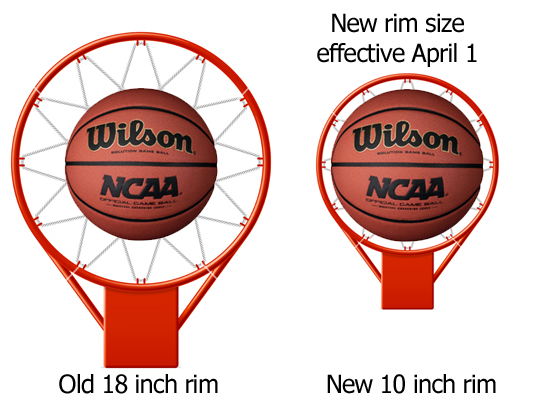
Image Source: blogger.googleusercontent.com
The Core Measurement: Basketball Hoop Diameter
At the heart of every basketball shot is the hoop itself. The official basketball rim diameter is a critical specification that dictates the target area for players. This diameter refers to the inner diameter of the ring, the part the ball must pass through.
- Inside Diameter: 18 inches (45.7 cm)
- Outside Diameter: Typically around 20 inches (50.8 cm), but the inside diameter is the functional measurement.
This 18-inch diameter is not an arbitrary number. It’s been carefully chosen to present a challenge for players while remaining achievable with skill and practice. Too large, and scoring would become too easy, diminishing the skill element. Too small, and even professional players would struggle consistently, making the game frustrating. The current NBA rim size and FIBA rim dimensions both adhere to this 18-inch inner diameter. This uniformity ensures that a shot made in a professional arena is judged by the same physical standard as a shot made on a community court.
Historical Perspective on Rim Size
While the 18-inch diameter is the current standard, it’s interesting to note that rim sizes weren’t always this way. Early basketball games used different types of baskets, some even with bottoms. As the sport evolved, so did the equipment. The introduction of the open-bottom net and the standardization of the rim diameter were key steps in refining the game into the sport we know today. The consistent standard basketball hoop measurements we see now are the result of decades of evolution and refinement in basketball hoop specifications.
Setting the Standard: Regulation Basketball Rim Height
Equally important as the hoop’s diameter is its height from the playing surface. The regulation basketball rim height is another fundamental specification that defines the game.
- Official Height: 10 feet (3.05 meters) from the floor to the top edge of the rim.
This height is measured from the playing surface directly below the center of the hoop. This 10-foot mark is a global standard, used in virtually all organized basketball leagues, including the NBA, WNBA, NCAA, and FIBA. This height provides a significant challenge, requiring players to develop strength, coordination, and jumping ability to shoot accurately. The interplay between the basketball hoop diameter and the regulation basketball rim height creates the dynamic challenge of scoring in basketball.
Why 10 Feet?
The choice of 10 feet for the rim height is rooted in the game’s early development. When James Naismith invented basketball in 1891, he used peach baskets, which were hung approximately 10 feet above the ground. This height was practical for the time and has remained a cornerstone of the game. It strikes a balance between being a difficult target and an achievable one, allowing for a wide range of athletic expression.
Beyond the Rim: Other Crucial Hoop Specifications
While the diameter and height are the most talked-about dimensions, other basketball hoop specifications contribute to the overall setup and gameplay. These include the backboard size, the support structure, and the net. Understanding these elements provides a more complete picture of the equipment for basketball.
Backboard Dimensions
The backboard, while not directly involved in scoring, plays a crucial role in how shots are taken and rebounded. Its size and material influence the bounce of the ball.
- Professional Backboard Size (NBA/WNBA): Typically 72 inches wide by 42 inches high (183 cm x 107 cm).
- College/High School Backboard Size: Often around 60 inches wide by 36 inches high (152 cm x 91 cm), though variations exist.
- Material: Professional backboards are usually made of tempered glass for optimal visibility and consistent bounce. Other backboards might be made of acrylic or polycarbonate.
The backboard is positioned so that its front surface is 4 feet (1.22 meters) in from the baseline, and it’s typically centered over the playing court. The rim is attached directly to the backboard.
The Net
The net’s purpose is to slow down the ball after a successful shot and make the “swish” sound that players love.
- Length: Nets are typically 15 to 18 inches long.
- Material: Made from cord or chain, usually with 12 loops to attach to the rim.
- Color: Traditionally white or red/white.
The net’s length is important; too short, and the ball might ricochet out, while too long, and it could interfere with visibility or rebound.
Support Structure
The way the hoop is supported is also vital for stability and safety. This can range from wall-mounted systems to portable units with weighted bases or in-ground poles. Regardless of the type, the support must ensure the rim remains at its regulation basketball rim height and doesn’t wobble or move excessively during play.
Variations and Global Standards: NBA vs. FIBA vs. Other Leagues
The good news for players and fans is that the core basketball hoop diameter and regulation basketball rim height are remarkably consistent across major international and professional leagues.
NBA Rim Size and FIBA Rim Dimensions
- NBA: Adheres to the standard 18-inch inner diameter rim and 10-foot height. The NBA rim size is known for being sturdy and designed to withstand the force of professional dunks. Often, NBA rims have a breakaway feature to prevent damage to the backboard and rim from high-impact dunks.
- FIBA (International Basketball Federation): Also uses the 18-inch inner diameter rim and 10-foot height. The FIBA rim dimensions are identical to NBA standards in terms of the rim itself and its height. FIBA regulations also specify the size of the backboard and its placement, ensuring a consistent playing environment globally.
The consistency in standard basketball hoop measurements between the NBA and FIBA is a testament to the sport’s globalization and the need for universally recognized basketball hoop specifications.
Other Leagues and Recreational Play
While professional leagues maintain strict standards, recreational or youth leagues might sometimes use adjusted equipment.
- Youth Leagues: For younger players, the rim height might be lowered to better suit their physical capabilities and encourage skill development. This could range from 6 feet for very young children to 8 or 9 feet for older youth leagues. However, the basketball hoop diameter typically remains the same to familiarize players with the official size.
- Adjustable Hoops: Many home or park basketball systems are adjustable, allowing users to set the rim height to various levels, from lower heights for practice to the official 10 feet.
It’s important to distinguish between regulation basketball rim height and adjustable heights used for practice or youth development.
The Impact of Dimensions on Gameplay
The specific basketball hoop diameter and regulation basketball rim height are not just arbitrary numbers; they significantly shape how the game is played.
Shooting Mechanics and Accuracy
The 18-inch diameter requires a certain level of precision and touch. Players must develop a consistent shooting form to get the ball through the hoop. The 10-foot height challenges a player’s vertical leap and arm strength. Jump shots, layups, and dunks are all influenced by these dimensions.
- Arc of the Shot: The height of the rim dictates the ideal arc for a shot. A higher arc increases the margin for error in distance but can make it harder to control the bounce off the rim. A flatter arc requires more precision.
- Dunking: The 10-foot height is what makes dunking a highlight-reel event. It requires significant athleticism and skill. The NBA rim size is designed to withstand the considerable force of professional dunks, often featuring a breakaway mechanism.
Rebounding and Positional Play
The spacing and height of the hoop also influence rebounding strategies. The backboard’s size and material affect how the ball rebounds.
- Bank Shots: The backboard is an integral part of many shots, especially around the basket. The size and angle of the backboard, along with the rim’s placement, allow for strategic bank shots.
- Rebounding Angles: Players anticipating rebounds need to understand the angles at which the ball will bounce off the rim and backboard.
Court Dimensions Basketball
It’s also worth noting that the rim’s placement is determined by the overall court dimensions basketball. The hoop is centered on each end of the court, 4 feet in from the baseline. The distance from the basket to the free-throw line (15 feet) and the three-point line (23 feet 9 inches in the NBA, 22 feet 1.75 inches in FIBA corners) are all calibrated around the fixed position of the hoop. These court dimensions basketball create specific offensive and defensive strategies.
Types of Basketball Hoops and Their Specifications
The type of basketball hoop can vary, but the fundamental standard basketball hoop measurements for the rim and its height remain consistent for official play.
In-Ground Hoops
These are permanently installed, offering the most stability and a professional feel. The installation process ensures the rim is at the correct regulation basketball rim height.
Pole-Mounted or Wall-Mounted Hoops
These systems attach to existing structures or poles. They are common in parks and schools. Stability is key to maintaining the specified basketball hoop specifications.
Portable Hoops
These units have a base that can be filled with water or sand for stability and wheels for portability. While convenient, their stability might be less than in-ground systems, especially with forceful play. Ensuring the basketball hoop diameter is accurate and the height is set correctly is still important.
When purchasing sports equipment sizing for home use, look for systems that clearly state they meet official or regulation dimensions if you intend to practice for serious play.
Frequently Asked Questions (FAQ)
Here are some common questions about basketball rim dimensions.
Q1: Is the basketball rim size the same in the NBA and FIBA?
Yes, the official inner basketball hoop diameter is 18 inches (45.7 cm) for both NBA and FIBA.
Q2: What is the regulation basketball rim height?
The regulation basketball rim height is 10 feet (3.05 meters) from the playing surface to the top of the rim.
Q3: Does the net affect the basketball hoop diameter?
No, the net attaches to the rim but does not change the inner official basketball rim diameter. The net’s length is standardized to ensure proper ball passage.
Q4: Can I use a smaller hoop for practice?
While you can use adjustable hoops at lower heights for training younger players or developing specific skills, practicing with a smaller basketball hoop diameter is not recommended if your goal is to prepare for official games, as it won’t reflect the actual game conditions.
Q5: What are the dimensions of the backboard?
NBA backboards are typically 72 inches wide by 42 inches high. Other leagues and recreational setups may vary, but the rim itself maintains its standard dimensions.
Q6: Why is the NBA rim size sometimes different in terms of materials or breakaway features?
NBA rims are built to withstand extreme forces from professional players, especially dunks. Breakaway rims allow the rim to flex and return to its normal position, preventing damage and reducing the risk of injury. The basketball hoop diameter remains the same.
Q7: Are there different court dimensions basketball for different leagues?
While the court dimensions can vary slightly between professional (NBA, FIBA) and collegiate levels, the core basketball hoop specifications, including the rim diameter and height, are consistent.
Q8: What is the most important measurement of a basketball hoop?
The most critical measurements are the official basketball rim diameter (18 inches inner) and the regulation basketball rim height (10 feet). These dictate the fundamental challenge of scoring.
Conclusion
The seemingly simple basketball rim is a precisely engineered piece of equipment for basketball with well-defined basketball hoop specifications. The official basketball rim diameter of 18 inches and the regulation basketball rim height of 10 feet are universal standards that form the bedrock of the sport. These standard basketball hoop measurements, along with consistent backboard and net specifications, ensure fair competition and a consistent challenge for players at all levels, from local parks to the grandest arenas. Whether you’re an aspiring pro or a casual player, appreciating these dimensions helps in better sports equipment sizing and provides a deeper insight into the beautiful game of basketball. The precise NBA rim size and FIBA rim dimensions reflect a commitment to uniformity that makes basketball a truly global sport.