
Ever wondered how that vibrant, perfectly lined basketball court gets its polished look? Whether it’s a professional arena or your backyard driveway, the basketball court painting process is a craft that combines careful preparation, the right materials, and a touch of artistic precision. Can you paint a basketball court yourself? Absolutely! This guide will take you through the pro secrets and a step-by-step DIY approach to achieving a professional-looking finish, covering everything from basketball court preparation to the final line painting basketball court.
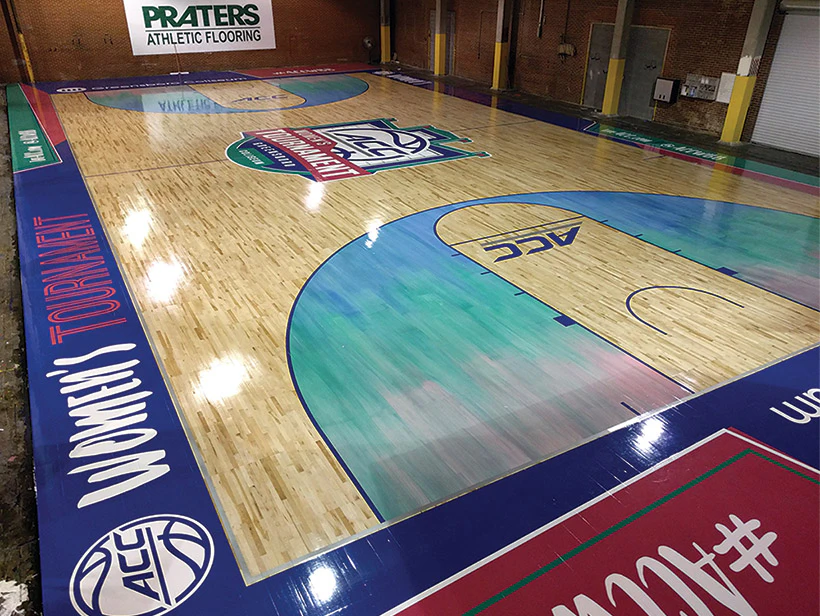
Image Source: img.woodfloorbusiness.com
The Foundation: Why Court Painting Matters
A well-painted basketball court isn’t just about aesthetics; it’s crucial for gameplay, safety, and longevity. Proper basketball court markings ensure fair play and clear boundaries. The right paint protects the surface from wear and tear, weather elements, and UV damage. For an outdoor basketball court painting project, this protection is paramount. For indoor basketball court painting, it contributes to air quality and visual appeal.
Pro Secrets for a Flawless Finish
Professional court painters have a few tricks up their sleeves. These secrets elevate a standard paint job into a masterpiece.
Material Selection is Key
Choosing the right basketball court paint types is the first step to a durable and attractive court.
- Acrylic Latex Paints: These are the most common choice for both indoor and outdoor courts. They offer good flexibility, adhesion, and durability. Water-based, they are easy to clean up.
- Epoxy Paints: Primarily used for indoor courts, epoxy paints offer superior hardness, chemical resistance, and a high-gloss finish. They are more expensive and require more careful application.
- Urethane Paints: Known for their exceptional durability and abrasion resistance, urethane paints are a premium option, often used in high-traffic professional settings.
- Line Marking Paints: These are specifically formulated for crisp, sharp lines. They are often solvent-based for better adhesion to painted surfaces and come in convenient spray cans or refillable markers.
The Importance of Proper Preparation
This is where most DIY projects falter, but professionals know it’s the most critical phase. Think of it as laying the groundwork for a skyscraper. Without it, everything else crumbles.
Surface Assessment: What Are You Working With?
Before any paint touches the surface, a thorough assessment is vital.
- New Concrete: Needs to cure for at least 30 days, ideally 60, to allow moisture to escape.
- Asphalt: Generally requires a primer. Check for cracks, potholes, and unevenness.
- Existing Painted Surfaces: Inspect for peeling, flaking, or worn-out paint. You’ll need to address these issues.
Cleaning: The Foundation of Adhesion
A clean surface is non-negotiable.
- Debris Removal: Sweep away all leaves, dirt, pebbles, and any loose material.
- Power Washing: This is essential for removing embedded dirt, grime, and mildew. For asphalt, use a pressure of around 1200-1500 PSI. For concrete, you can go slightly higher, around 1500-2000 PSI, but be careful not to etch the surface.
- Degreasing: If there are oil stains (common on driveways), use a concrete degreaser. Apply it, scrub, and rinse thoroughly.
- Moss and Mildew Treatment: For outdoor courts, use a bleach solution (1 part bleach to 3 parts water) or a specialized cleaner to kill any organic growth. Rinse very well.
Repairing Imperfections: Fixing the Flaws
No surface is perfect. Addressing these issues before painting makes a huge difference.
- Cracks: For small cracks (less than 1/8 inch), use a good quality concrete crack filler. For larger cracks or potholes, use an asphalt or concrete patching compound. Follow the product instructions carefully, ensuring the patch is level with the surrounding surface.
- Uneven Surfaces: Significant dips or humps might require professional leveling compounds or resurfacing. For minor unevenness, sometimes a thicker coat of primer or paint can help camouflage them.
Priming: The Unsung Hero
Primer is crucial, especially on new surfaces or when changing paint colors.
- Purpose: Primer promotes adhesion, seals porous surfaces, and provides a uniform base for the topcoat.
- Type: Use a high-quality concrete or asphalt primer specifically designed for sports surfaces. For outdoor courts, a good quality exterior acrylic primer is recommended.
- Application: Apply a thin, even coat. Allow it to dry completely according to the manufacturer’s instructions.
The Art of Application: Technique Matters
Even with the best materials, poor application can ruin the job.
- Weather Conditions: For outdoor painting, choose a dry day with moderate temperatures (ideally between 50°F and 85°F). Avoid direct sunlight, high humidity, and windy conditions. Rain will wash away wet paint.
- Tools of the Trade:
- Rollers: Use high-quality, nap rollers suitable for concrete or asphalt. A 3/8” to 1/2” nap is usually good.
- Brushes: For cutting in edges and details.
- Sprayers: Professional painters often use airless sprayers for large areas, offering a smooth, even finish. However, for DIY, rollers are more manageable.
- Application Method:
- Two Thin Coats are Better Than One Thick One: This prevents runs, drips, and ensures even coverage.
- Work in Sections: Divide the court into manageable sections to ensure you maintain a wet edge, preventing lap marks.
- Direction: Apply paint in consistent strokes, usually in one direction for each coat, to achieve a uniform texture.
Mastering the Markings: Precision is Paramount
The lines are what truly define a basketball court. Accuracy here is non-negotiable.
Layout and Measurement: The Blueprint
- Official Dimensions: Familiarize yourself with standard basketball court dimensions (NBA, FIBA, NCAA, High School). This is crucial for accurate basketball court markings.
- Tools: Measuring tapes (long, accurate ones!), chalk lines, string, and marking chalk.
- Key Lines:
- Sidelines and Baselines
- Center Circle and Half-Court Line
- Three-Point Line (this varies by league!)
- Free Throw Lines and Circles
- Lane Lines (the “key”)
- Restricted Area Arc
Stenciling for Accuracy: Pro-Level Lines
Using basketball court stencil kits is the secret to crisp, professional-looking lines.
- Types of Stencils:
- Pre-cut Mylar Stencils: Durable, reusable, and designed for specific court markings.
- Custom Stencils: Can be ordered for unique logos or specific court designs.
- Flexible Stencils: Useful for curves and arcs.
- Application Technique:
- Secure the Stencil: Use strong painter’s tape or stencil adhesive spray to keep the stencil firmly in place. Any movement will result in blurred lines.
- Masking: Mask off any areas adjacent to the stencil that you don’t want to paint.
- Paint Application:
- Spray Paint: The most common method for stenciling. Use light, even coats to prevent paint from bleeding under the stencil. Hold the can about 8-12 inches away.
- Roller with a Brush: For some stencils, you can carefully apply paint with a small foam roller or a brush.
- Multiple Coats: Apply thin coats, allowing each to dry slightly before applying the next, until the desired opacity is reached.
- Peeling the Stencil: Carefully peel the stencil while the paint is still slightly wet to get the cleanest edge. If you wait until it’s fully dry, you risk pulling the paint off with the stencil.
Advanced Techniques for Durability and Aesthetics
- Sealing: After the paint has fully cured (check paint manufacturer guidelines, often 24-72 hours), apply a clear court sealer. This adds an extra layer of protection against abrasion, UV rays, and chemical spills.
- Custom Logos and Graphics: Many courts feature team logos or custom designs. These are typically applied using stencils or by freehand painting after the main court color is dry. Ensure the paint used for graphics is compatible with the base coat.
Your DIY Basketball Court Painting Journey: A Step-by-Step Guide
Ready to tackle your own court? Here’s a breakdown of the DIY basketball court painting process.
Step 1: Gather Your Supplies
- Paint: High-quality acrylic latex paint specifically for exterior concrete or asphalt.
- Primer: Concrete/asphalt primer.
- Line Marking Paint: For the court lines.
- Cleaning Supplies: Broom, hose, pressure washer (optional but recommended), degreaser, bleach solution (for outdoor).
- Repair Materials: Concrete/asphalt patch, crack filler.
- Application Tools: Paint rollers (with extension poles), paint trays, brushes, painter’s tape, drop cloths.
- Marking Tools: Measuring tape, chalk line, chalk, string.
- Stencils: Basketball court stencil kits or individual stencils for lines and logos.
- Safety Gear: Gloves, safety glasses, mask (especially if spraying).
Step 2: Prepare the Surface (The Most Important Step!)
Follow the detailed cleaning and repair steps outlined in the “Pro Secrets” section above. This cannot be stressed enough! A clean, smooth, and repaired surface is the foundation for a lasting paint job. If you’re doing outdoor basketball court painting, ensure the surface is completely dry before proceeding.
Step 3: Prime the Court
Apply a thin, even coat of primer. Allow it to dry completely. This might take a few hours depending on the temperature and humidity.
Step 4: Apply the Base Coat(s)
- Start with the edges: Use a brush to paint along the perimeter and around any features (like drain covers).
- Roll the main areas: Pour paint into a tray and use a roller to apply thin, even coats. Work in sections, maintaining a wet edge.
- Two Coats Recommended: Allow the first coat to dry thoroughly (check manufacturer instructions) before applying the second. This ensures full coverage and durability.
Step 5: Mark and Paint the Lines
This is where precision is key.
- Measure and Mark: Using your measuring tape, chalk line, and chalk, carefully mark out all the court lines according to the official dimensions. Double-check all measurements!
- Stencil Application: Place your stencils for the lines. Secure them with tape. Mask off any areas you don’t want to paint.
- Line Painting: Apply your line marking paint using light, even spray or roller strokes. Build up color with multiple thin coats.
- Remove Stencils: Carefully remove stencils while the paint is still slightly wet for the cleanest lines.
Step 6: Add Custom Graphics (Optional)
If you’re adding logos or designs, now is the time. Use stencils or carefully freehand paint these elements.
Step 7: Apply a Clear Sealer (Highly Recommended)
Once all the paint is completely dry (allow at least 24-72 hours, or as per paint instructions), apply one or two thin coats of a clear court sealer. This adds a protective layer and enhances the court’s longevity.
Step 8: Cure Time
Allow the sealer to cure fully before allowing heavy foot traffic or basketball play. This can take several days, so patience is a virtue here.
Indoor vs. Outdoor Court Painting: Key Differences
While the core principles remain the same, there are specific considerations for indoor and outdoor courts.
Outdoor Basketball Court Painting
- Surface: Typically concrete or asphalt. Asphalt requires more meticulous prep and often specific primers.
- Paint Type: Acrylic latex paints formulated for exterior use are standard. They need to withstand UV rays, rain, and temperature fluctuations.
- Durability Focus: Protection against the elements is paramount. Sealing is especially important.
- Preparation: More focus on drainage, weed prevention, and potential freeze-thaw damage.
Indoor Basketball Court Painting
- Surface: Usually a wooden gym floor or polished concrete.
- Paint Type: Specialized gym floor paints (often acrylic or urethane-based) that offer grip and durability without being too slippery. For concrete, epoxies or specialized floor paints are used.
- Environment: Controlled temperature and humidity mean less worry about weather. However, dust and oil from shoes can be an issue.
- Preparation: Requires thorough cleaning and degreasing to remove body oils, dirt, and scuff marks. Often involves light sanding of concrete surfaces.
- Markings: Extremely precise, often applied with masking tape and specialized line marking paints.
Troubleshooting Common DIY Issues
- Peeling Paint: Usually due to poor surface preparation or applying paint to a damp surface.
- Blurry Lines: Stencils weren’t properly secured, or too much paint was applied at once.
- Uneven Finish: Inconsistent roller pressure, applying paint too thickly, or working in poor lighting.
- Fading: Caused by inadequate UV protection or using exterior paint not rated for prolonged sun exposure.
Frequently Asked Questions About Basketball Court Painting
Q1: How long does basketball court paint last?
The lifespan of painted court lines and coatings varies greatly depending on the quality of paint, application, surface preparation, and the amount of wear. Generally, you can expect a good quality paint job to last anywhere from 2-5 years for outdoor courts before needing touch-ups or a full repaint. Indoor courts, with less environmental exposure, can last longer, often 5-10 years for the main coatings and similar for lines if maintained.
Q2: What is the best type of paint for a basketball court?
For outdoor courts, high-quality acrylic latex exterior paints are generally considered the best all-around choice due to their durability, flexibility, and ease of application. For indoor courts, specialized gym floor paints or high-performance acrylic/urethane coatings are preferred for their grip and resilience.
Q3: Can I paint over old basketball court lines?
Yes, you can paint over old basketball court lines, but proper preparation is crucial. You’ll need to clean the surface thoroughly, and if the old lines are significantly raised or damaged, you may need to lightly sand them down to ensure a smooth surface for the new paint to adhere to. If the old lines are painted with a different type of paint that might interact poorly, a primer coat specifically designed for covering existing coatings is advisable.
Q4: How do I ensure my basketball court lines are straight?
Ensuring straight lines involves meticulous measuring and marking. Use a long, accurate measuring tape and a chalk line to establish your reference points and draw a chalk guideline. Securely tape your stencils along these chalk lines, ensuring no gaps for paint to bleed through. Apply paint in thin, even coats.
Q5: What’s the difference between painting an indoor vs. an outdoor basketball court?
The primary differences lie in the surface material and environmental exposure. Outdoor courts are typically concrete or asphalt and must withstand weather, UV rays, and temperature changes. Indoor courts are often wooden gym floors or polished concrete and require paints that provide grip, are resistant to scuffing, and are formulated for interior use. The cleaning and preparation methods also differ slightly.
Q6: Do I need a special primer for basketball court painting?
Yes, using a primer is highly recommended, especially on new concrete or asphalt surfaces, or when making a significant color change. A specialized primer for concrete or asphalt will ensure better adhesion of the topcoat, seal the surface, and provide a uniform base for consistent color.
Q7: How do I fix cracks on a basketball court before painting?
Small cracks (less than 1/8 inch) can be filled with a good quality concrete crack filler. Larger cracks and potholes should be repaired using an appropriate concrete or asphalt patching compound. Ensure the patch material is allowed to cure completely and is sanded smooth to be level with the surrounding surface before you begin painting.
Q8: What are basketball court stencil kits?
Basketball court stencil kits are sets of pre-cut stencils that help you accurately and easily recreate the specific lines and markings of a basketball court. They are made from durable materials like Mylar and are designed to be reused multiple times. These kits save significant time and effort in measuring and drawing out lines, ensuring professional-looking results.
Q9: What is basketball court resurfacing?
Basketball court resurfacing is a process that involves repairing and leveling the existing surface before repainting. This might include filling cracks, repairing potholes, or applying a new layer of asphalt or concrete overlay to create a fresh, smooth surface. After resurfacing, a full repaint with new lines is typically performed.
Q10: How do I do line painting basketball court precisely?
Precise line painting basketball court requires careful measurement, layout, and the use of masking tape or stencils. For professional-looking lines, using high-quality line marking paint and applying it in thin, even coats is crucial. Always allow paint to dry sufficiently between coats and carefully remove tape or stencils to avoid smudging.
Painting a basketball court can be a rewarding project, whether you’re looking to revive an old outdoor court or create a new one. By following these pro secrets and a meticulous DIY approach, you can achieve a durable, attractive, and regulation-ready playing surface. Happy painting!