
A double-double in basketball is when a player achieves double-digit figures in two of the following five statistical categories: points, rebounds, assists, steals, and blocks. Most commonly, it refers to points and rebounds, or points and assists. This statistical achievement is a strong indicator of a player’s overall impact on the game.
Getting a double-double is a significant marker of a player’s player performance and their ability to contribute across different facets of the game. It signifies a strong blend of scoring and other crucial contributions. Achieving this regularly points to a player’s consistent output and their dual-threat capability. Let’s dive deep into how players accomplish this impressive feat.
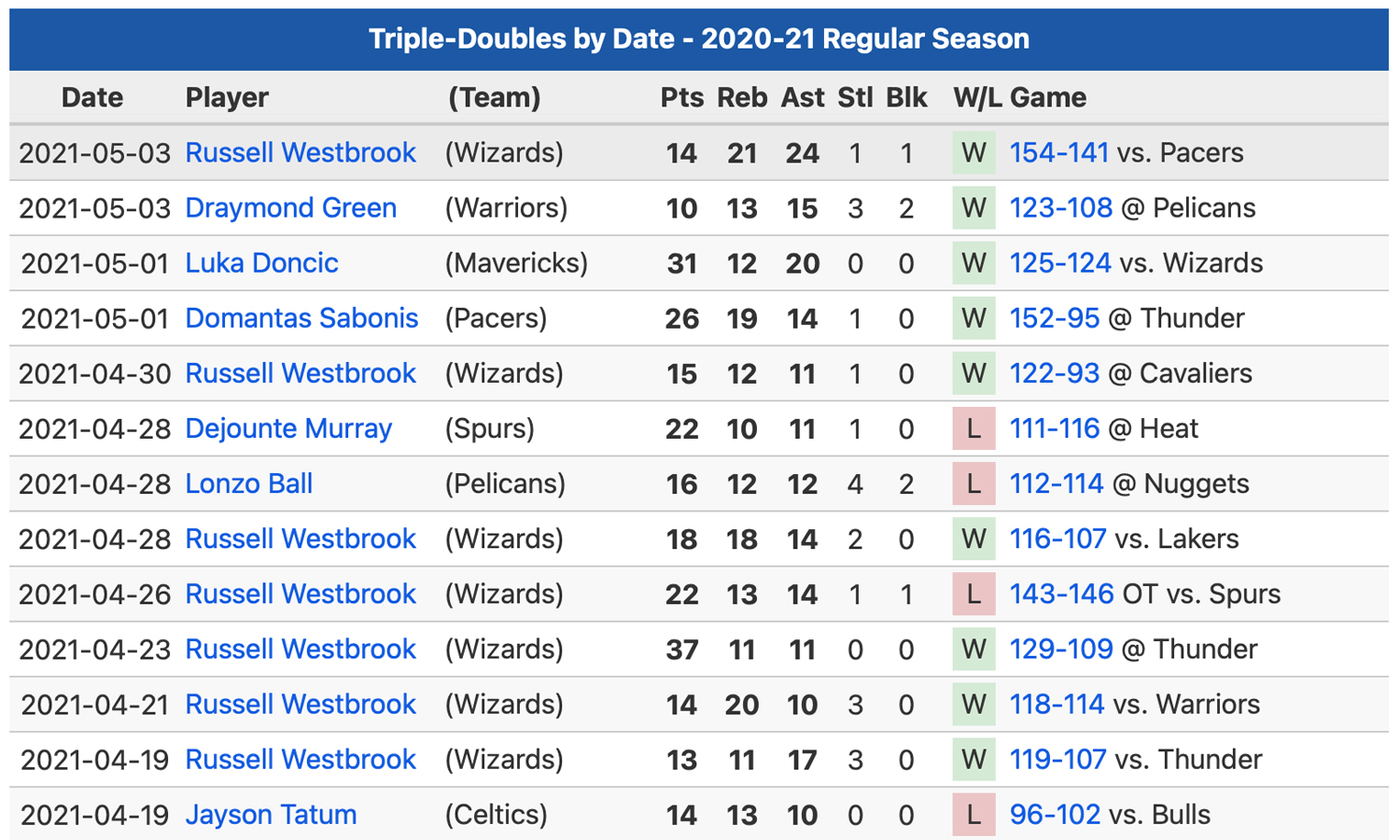
Image Source: www.gaimday.com
The Building Blocks of a Double-Double: Key Statistics
To achieve a double-double, a player needs to excel in at least two of the five major statistical categories. While steals and blocks are vital for defensive impact, the most frequent paths to a double-double involve points, rebounds, and assists.
Points: The Foundation of Offensive Production
Points are the most direct measure of offensive production. To reach double-digit points, a player needs to be an effective scorer. This involves:
- Shooting Efficiency: Making a good percentage of their shots, whether from the field or the free-throw line.
- Volume of Shots: Taking enough shots to accumulate the necessary points.
- Scoring Variety: Being able to score in different ways – driving to the basket, shooting jump shots, and making free throws.
- Off-Ball Movement: Getting open for catch-and-shoot opportunities.
- Drawing Fouls: Getting to the free-throw line is a reliable way to score points.
A player consistently scoring 10 or more points per game is well on their way to a double-double. This is often the easiest category for many players to reach due to the primary focus on scoring in basketball.
Rebounds: Securing Possession and Second Chances
Rebounds are crucial for controlling the game. They represent the acquisition of the ball after a missed shot. Players who frequently get double-digit rebounds are known as strong rebounders. This requires:
- Boxing Out: Effectively preventing opponents from getting to the ball.
- Positioning: Being in the right place at the right time to grab the ball.
- Jumping Ability: Having the vertical leap to reach contested rebounds.
- Anticipation: Reading where the ball will likely bounce.
- Aggressiveness: A willingness to battle for the ball.
Rebounds can be divided into offensive and defensive. Offensive rebounds give a team a second chance to score, while defensive rebounds end the opponent’s possession. Players who contribute significantly in both areas are invaluable. Reaching 10 or more rebounds is a hallmark of dominant big men but is also achievable for guards and forwards with good positioning and effort.
Assists: Facilitating Team Success
Assists are passes that lead directly to a made basket. Players who rack up assists are typically good ball-handlers and playmakers. This involves:
- Court Vision: Seeing open teammates and passing lanes.
- Passing Accuracy: Making precise passes that are easy for teammates to catch and shoot.
- Decision Making: Knowing when to pass and when to shoot.
- Dribbling Skills: Being able to penetrate defenses and create opportunities for others.
- Communication: Directing teammates and setting up plays.
Guards and point forwards are often the primary facilitators who aim for double-digit assists. Getting 10 or more assists shows a player’s ability to elevate their teammates’ scoring and their understanding of offensive flow.
Steals and Blocks: Defensive Contributions
While less common as the second category for a double-double, steals and blocks are vital defensive contributions.
- Steals: Taking the ball away from an opponent through deflections or outright grabs. Players with quick hands and good defensive anticipation excel here.
- Blocks: Deflecting or stopping an opponent’s shot attempt. This is typically dominated by taller players with good timing and leaping ability.
A player getting 10+ steals or 10+ blocks in a game is exceptionally rare but would result in a double-double. More often, these stats contribute to a “triple-double” if paired with double-digit points and either rebounds or assists.
Strategies for Achieving a Double-Double
Achieving a double-double isn’t solely about individual talent; it also involves strategic play and capitalizing on opportunities.
For Points and Rebounds: The Dominant Big Man’s Domain
This is the most classic combination. Players who thrive here typically operate close to the basket.
- Inside Scoring: Utilizing post-up moves, putbacks, and dunks.
- Offensive Positioning: Fighting for good post position and sealing defenders.
- Aggressive Rebounding: Chasing down every loose ball and actively seeking contested rebounds.
- Playing Time: Extended minutes on the court are crucial to accumulate these stats.
Example Player Archetype: A center who is a strong post scorer and an elite rebounder.
For Points and Assists: The Playmaking Guard’s Forte
This combination highlights a player’s ability to score themselves while also creating opportunities for others.
- Pick-and-Roll Execution: Effectively using screens to create scoring chances for themselves or their teammates.
- Penetration: Driving into the paint to draw defenders and then kicking out to open shooters.
- Transition Play: Pushing the ball up the court quickly to create fast-break opportunities.
- Creating for Others: Finding open teammates with creative passes.
Example Player Archetype: A point guard who is a skilled scorer and an excellent passer.
For Rebounds and Assists: The All-Around Contributor
This is a less common, but highly valuable, combination. It often signifies a player who initiates offense from various positions and has a high basketball IQ.
- Initiating Offense: A guard or forward who brings the ball up and controls the offense.
- Facilitating from the Post: Big men who can pass out of double teams effectively.
- Transition Assists: Grabbing a defensive rebound and immediately finding a teammate streaking down the court.
- Rebounding Guard Play: Guards who can secure defensive rebounds and then lead the fast break.
Example Player Archetype: A versatile forward or a point-forward who excels at both playmaking and rebounding.
Factors Influencing Double-Double Potential
Several factors contribute to a player’s ability to consistently achieve double-doubles.
Player Stats and Role
A player’s role within their team is paramount. A primary scorer and rebounder will naturally have more opportunities for a double-double than a defensive specialist or a spot-up shooter. Examining a player’s player stats from previous games or seasons can give a good indication of their potential.
Consistent Output and Performance
Achieving a double-double is often a sign of consistent output. Players who do it regularly are not relying on one great game but rather on their ability to perform at a high level game after game. This requires dedication to skill development and maintaining physical conditioning.
Dual-Threat Capability
The ability to be a dual-threat – excelling in two distinct areas of the game – is the core of a double-double. Whether it’s scoring and rebounding, or scoring and assisting, this versatility is what makes the achievement so impactful.
Playing Time and Usage Rate
The more minutes a player is on the court, the more opportunities they have to accumulate stats. A high usage rate, meaning a player is involved in a significant portion of their team’s offensive plays, also increases their chances.
Matchups and Game Situations
Certain matchups can favor players achieving double-doubles. For example, playing against a team with a weak rebounding presence can make it easier to reach double-digit rebounds. Similarly, playing against a defense that collapses easily can create more passing opportunities for assists.
The Importance of the Double-Double in Basketball
The double-double is more than just a number; it’s a testament to a player’s all-around game.
- Impact on the Game: It directly correlates with a player’s influence on the outcome, contributing to both scoring and other critical aspects like securing possessions or creating scoring chances.
- Indicator of Versatility: It showcases a player’s ability to contribute in multiple ways, making them a valuable asset to any team.
- Foundation for Triple-Doubles: While harder to achieve, a consistent double-double performance is often the first step towards the even rarer triple-double (double digits in three categories).
- Fantasy Basketball and Player Evaluation: In fantasy leagues and general player evaluation, double-doubles are highly prized statistical achievements that signify high player performance.
Case Studies: Players Known for Double-Doubles
Many legendary and current players are renowned for their ability to rack up double-doubles.
Tim Duncan
A prime example of a player consistently achieving double-doubles through points and rebounds. Duncan was a masterful post player with incredible footwork and a reliable jump shot, combined with exceptional rebounding instincts. His methodical approach ensured consistent output.
| Season | Games Played | Points Per Game | Rebounds Per Game | Assists Per Game |
|---|---|---|---|---|
| 1999-00 | 82 | 17.8 | 11.1 | 2.5 |
| 2001-02 | 82 | 25.5 | 12.7 | 3.7 |
| 2002-03 | 82 | 23.3 | 12.9 | 3.9 |
Table 1: Tim Duncan’s Sample Season Player Stats
Magic Johnson
An iconic point guard whose dual-threat capability often manifested as double-doubles in points and assists. Magic’s court vision and passing prowess, coupled with his scoring ability, made him a triple-double threat almost every night.
| Season | Games Played | Points Per Game | Rebounds Per Game | Assists Per Game |
|---|---|---|---|---|
| 1981-82 | 82 | 18.0 | 7.6 | 9.6 |
| 1984-85 | 77 | 18.3 | 6.3 | 12.6 |
| 1986-87 | 80 | 23.9 | 6.3 | 12.2 |
Table 2: Magic Johnson’s Sample Season Player Stats
Nikola Jokic
A modern-day marvel who exemplifies dual-threat capability with his scoring, rebounding, and elite passing. Jokic frequently achieves double-doubles, and even triple-doubles, from the center position, showcasing his unique offensive production and playmaking.
| Season | Games Played | Points Per Game | Rebounds Per Game | Assists Per Game |
|---|---|---|---|---|
| 2020-21 | 72 | 26.4 | 10.8 | 8.3 |
| 2021-22 | 74 | 27.1 | 13.8 | 7.8 |
| 2022-23 | 69 | 24.5 | 11.8 | 9.8 |
Table 3: Nikola Jokic’s Sample Season Player Stats
Common Pitfalls and How to Overcome Them
Even skilled players can find it challenging to consistently get double-doubles.
- Foul Trouble: Accumulating too many fouls can limit playing time, directly impacting player stats. Players need to play smart defense without over-aggressiveness.
- Teammate Scoring: If teammates are already scoring well and drawing defensive attention, it might limit a player’s own scoring opportunities. However, this can also create more assists.
- Poor Shooting Night: An off shooting night can make reaching double-digit points difficult. Relying on other areas, like rebounding or assists, is key on such nights.
- Team Strategy: Sometimes, a player’s role might be more specialized, focusing on defense or simply moving the ball. Adapting to the team’s needs while still aiming for consistent output is a balancing act.
The Psychological Aspect of the Double-Double
The pursuit of a double-double can also have a psychological impact.
- Confidence Booster: Achieving a double-double can significantly boost a player’s confidence, knowing they are impacting the game in multiple ways.
- Focus and Determination: It requires focus and a certain level of determination to track multiple statistical categories throughout a game.
- Team Chemistry: For players achieving assists and rebounds, it fosters a sense of team play and shared success.
Frequently Asked Questions (FAQ)
Q1: What is the most common type of double-double?
The most common type of double-double is achieved by scoring double-digit points and securing double-digit rebounds. The second most common is points and assists.
Q2: Can a player get a double-double without scoring 10 points?
Yes, a player can get a double-double by achieving double digits in any two of the five categories: points, rebounds, assists, steals, or blocks. For example, 10 rebounds and 10 assists would count as a double-double, as would 10 steals and 10 blocks, though these are much rarer.
Q3: How do players focus on getting a double-double?
Players typically focus on their primary roles. If they are scorers, they focus on scoring. If they are rebounders, they focus on rebounds. Players with dual-threat capability naturally find themselves in positions to achieve these numbers by playing their game to its fullest. Good coaching and awareness of player stats can also help players identify opportunities.
Q4: Is getting a double-double a sign of good player performance?
Absolutely. A double-double is a strong indicator of player performance and a player’s contribution to their team across different aspects of the game. It signifies consistent output and offensive production or strong defensive contributions.
Q5: What are the other types of “doubles” in basketball?
While the double-double is the most common, there are also triple-doubles (double digits in three categories) and, very rarely, quadruple-doubles (double digits in four categories).
In conclusion, achieving a double-double in basketball is a significant statistical achievement that showcases a player’s multifaceted impact on the game. By focusing on scoring, rebounds, and assists, and leveraging their dual-threat capability, players can consistently contribute and elevate their team’s performance. It’s a clear indicator of player performance and a rewarding aspect of the sport for both players and fans.