
The NBA basketball hoop is 10 feet high. This standard height applies to all regulation basketball hoops, including those used in the NBA, WNBA, NCAA, and most other organized basketball leagues worldwide.
Many people wonder about the specifics of the NBA hoop, from its height to its size. This article will delve into the precise measurements and historical context of the professional basketball hoop, answering all your burning questions about the iconic ring that players strive to shoot through. We’ll explore not just how tall is a basketball hoop in the professional realm, but also the reasoning behind these dimensions and how they influence the game we love.
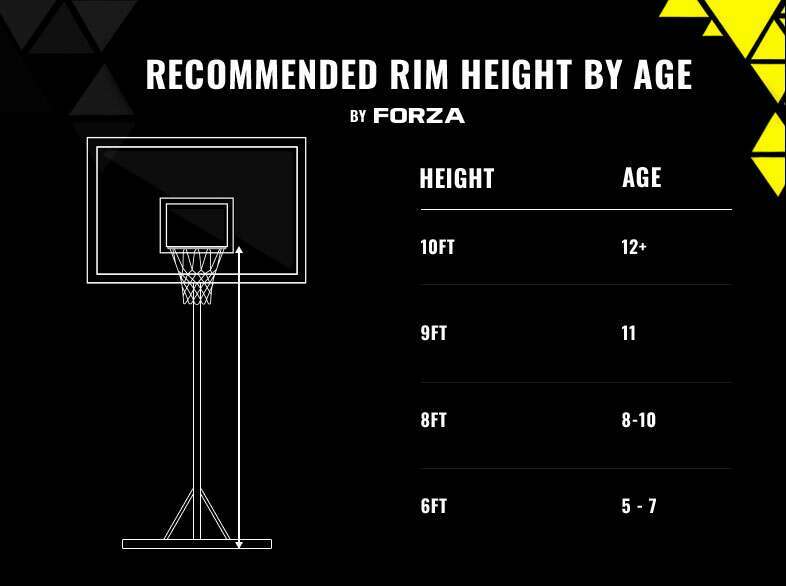
Image Source: nwscdn.com
The Foundation: Standard Basketball Hoop Dimensions
The standard basketball hoop height of 10 feet is a cornerstone of the sport. This measurement isn’t arbitrary; it was established early in basketball’s history and has remained remarkably consistent. When we talk about a regulation basketball hoop, we are almost always referring to this 10-foot standard. This uniform height ensures fair play and a consistent challenge for athletes across different levels and leagues.
Historical Roots of the 10-Foot Rule
The game of basketball was invented by Dr. James Naismith in December 1891. His initial concept involved peach baskets nailed to the gymnasium balcony railing at the International YMCA Training School in Springfield, Massachusetts. The first “hoops” were indeed actual peach baskets, and the height of the balcony railing was approximately 10 feet. This accidental early standard would go on to define the game.
- Early Game: Players would literally try to throw a soccer ball into the peach baskets. After each successful shot, someone had to retrieve the ball from the basket, usually with a ladder or a pole.
- Evolution: As the game evolved, the peach baskets were replaced by iron rings with nets. However, the height remained the same. This continuity is a testament to how quickly the 10-foot height became intrinsically linked to the fundamental mechanics of shooting and scoring in basketball.
Deciphering the NBA Rim Height: Precision and Purpose
The NBA rim height is, without question, 10 feet from the playing surface to the top of the rim. This is a non-negotiable aspect of the professional game. The consistency of this height is crucial for several reasons, all of which contribute to the unique challenges and strategies seen in professional basketball.
The NBA Rim Diameter: A Critical Measurement
Beyond height, the NBA rim diameter is also precisely defined. The inner diameter of the rim is 18 inches (45.7 cm). This measurement is also standard across most levels of basketball. This seemingly small detail is incredibly important. An 18-inch diameter means a player needs to be very accurate with their shots. A basketball itself has a diameter of about 9.5 inches. This leaves only about 4.5 inches of clearance on either side of the ball once it’s centered within the rim. This narrow margin contributes significantly to the skill required for shooting and the exciting plays where shots barely drop through the net.
The Backboard: Size and Placement
While not directly part of the hoop’s height, the backboard’s dimensions and placement are integral to the overall basketball goal height setup. In the NBA, the backboard is typically rectangular and measures 6 feet wide by 3.5 feet high. It is positioned 4 feet in from the baseline, behind the rim. The rim is also centered horizontally on the backboard. The backboard serves several purposes:
- Angling Shots: It allows players to use bank shots, a crucial offensive strategy, especially for shots closer to the basket.
- Containing the Ball: It helps keep the ball in play after missed shots that hit the backboard.
- Visual Cue: It provides a visual reference point for players, especially when attempting layups or shots off the glass.
The Hoop Assembly: Structure and Durability
The entire structure supporting the rim and backboard is designed for durability and stability. Professional basketball hoops are built to withstand the force of powerful dunks and the weight of players hanging on the rim. The goal is firmly anchored, ensuring it doesn’t move or tilt, which could affect the integrity of the game.
How the 10-Foot Height Shapes the Game
The 10-foot hoop height is not just a number; it dictates much of the strategy, skill, and physical demands of basketball.
Shooting Mechanics
The 10-foot height influences shooting form. Players develop specific techniques to get the ball to arc high enough to drop into the hoop. This requires proper elbow alignment, wrist snap, and follow-through. The arch of the shot is critical for success. A shot that is too flat will likely hit the front of the rim, while a shot that is too high may not have enough backspin to carry it through.
Jumping and Athleticism
The height of the rim directly correlates with the vertical leap required for dunking and blocking shots. NBA players are among the most athletic individuals in the world, and their ability to jump high enough to reach and surpass the 10-foot rim is a defining characteristic of the league.
- Dunking: The simple act of dunking requires a player to jump and elevate their hand well above the 10-foot rim to force the ball through. This showcases incredible leaping ability and upper body strength.
- Rebounding: Rebounding battles are often contests of vertical jump and timing, as players vie for possession of the ball after missed shots, needing to reach the ball at its apex.
- Blocking Shots: Defensive players use their vertical leap to swat shots away before they can reach the basket, requiring them to get their hands higher than the offensive player and the rim.
Offensive and Defensive Strategies
The 10-foot hoop influences how teams play offense and defense.
- Close-Range Offense: Layups and dunks are high-percentage shots because they are taken so close to the basket. However, the presence of defenders means players still need skill and agility to get those shots off.
- Mid-Range and Long-Range Shooting: The further a player is from the basket, the more arc and power are needed on their shot. Three-point shooting, in particular, requires players to generate enough force and trajectory to get the ball over the outstretched arms of defenders and into the 10-foot hoop from a significant distance.
- Zone Defenses: Defensive formations are designed to prevent easy access to the basket and contest shots. The 10-foot height means defenders can position themselves to challenge shots without needing to jump exceptionally high for every play, although jumping is often required.
Basketball Court Dimensions: The Arena for the Hoop
The basketball court dimensions provide the context for the 10-foot hoop. An NBA court is 94 feet long and 50 feet wide. The hoops are positioned at the center of each baseline.
- Three-Point Line: The NBA three-point line is 23 feet 9 inches from the center of the hoop in the corners and arcs out to 22 feet in the wings and at the top of the key. This distance emphasizes the skill needed for long-range shooting relative to the basketball hoop height.
- Key/Paint: The restricted area under the basket, often called the “paint” or “key,” extends 19 feet from the baseline to the free-throw line, then widens to 12 feet. Players within this area have a closer shot at the basketball goal height.
The interplay between the court’s size, the hoop’s height, and the distance of shooting lines creates the dynamic environment of an NBA game.
Variations and Adjustments: When the Hoop Isn’t 10 Feet
While the 10-foot standard is dominant, there are instances where basketball hoop size and height might differ, particularly for younger players.
Youth Basketball
For younger children, the standard 10-foot hoop can be excessively high, making it difficult to learn proper shooting techniques and experience success. Many youth leagues and recreational facilities use adjustable hoops.
- Younger Divisions: In leagues for children aged 6-9, hoop heights are often lowered to 8 feet.
- Intermediate Divisions: For ages 10-12, heights might be adjusted to 9 feet.
These adjustments allow children to develop their skills in a more appropriate and encouraging environment, gradually working their way up to the regulation height as they grow and improve. It’s important for parents and coaches to ensure they are using the correct standard basketball hoop height for the age and skill level of the players.
Recreational Play and Backyard Hoops
For casual players and those with backyard basketball setups, the basketball goal height can vary greatly. Many residential basketball systems are adjustable, allowing users to set the hoop at a height that suits them, from lower settings for younger children to the full 10-foot height for adults. However, if the goal is to practice for or simulate professional play, setting the hoop to the professional basketball hoop standard of 10 feet is essential.
The Impact of Hoop Height on Game Play
The 10-foot hoop height has profound implications for how the game is played at the professional level.
Player Skill Development
The consistent height forces players to develop specific skills from a young age.
- Repetition: Players spend countless hours practicing shots, developing muscle memory for the correct arc and force needed to make the ball go in from various distances.
- Coordination: The combination of jumping, shooting, and aiming at a fixed height requires immense coordination and body control.
Scoring and Game Pace
The 10-foot rim contributes to the scoring dynamics of the game.
- Layups and Dunks: These close-range shots are highly efficient but require skill to execute against defense.
- Jump Shots: The arc and trajectory needed for jump shots from further out mean that not every shot will go in, leading to rebounds and fast-paced play.
- Three-Pointers: The increased importance of the three-point shot in modern basketball is partly a response to the challenge of scoring inside against taller, more athletic players defending near the 10-foot rim. Players extend their shooting range to create scoring opportunities.
Athleticism as a Premium
The height of the hoop directly elevates the importance of athleticism.
- Vertical Leap: The ability to jump high is a significant advantage for both offensive players (to finish at the rim) and defensive players (to contest shots and rebound).
- Strength and Endurance: Players need the strength to shoot from distance and the endurance to maintain their athleticism throughout a game.
Common Misconceptions about Hoop Height
While the 10-foot standard is widely known, there are still some common misconceptions.
- “The hoop height changes during the game”: This is false. The NBA rim height is fixed at 10 feet for the entirety of every game.
- “Different positions have different hoop heights”: Also false. The basketball hoop height is the same for all players, regardless of their position on the court.
- “Backboards make the hoop higher”: The backboard is positioned in relation to the rim, but the rim’s height is measured from the floor, not from the backboard.
Ensuring Accurate Hoop Height in Practice and Play
For anyone playing basketball, whether competitively or recreationally, ensuring the hoop is at the correct height is important for skill development and enjoying the game.
- Adjustable Hoops: Many portable and in-ground basketball systems feature adjustable poles that allow the hoop to be raised or lowered. Always check the manufacturer’s instructions for how to adjust your specific system.
- Fixed Hoops: Many outdoor courts or older gymnasiums have fixed hoops that are permanently set at the 10-foot regulation height.
- Measuring: If you need to confirm the height of a hoop, you can use a measuring tape. Measure from the playing surface directly beneath the center of the rim straight up to the top edge of the rim.
Final Thoughts on the NBA Hoop
The seemingly simple measurement of NBA hoop height – 10 feet – is a critical element that defines the sport of basketball. From its historical origins to its impact on player athleticism, shooting mechanics, and strategic gameplay, the 10-foot rim is a constant challenge and a fundamental characteristic of professional basketball. Whether you’re a casual observer or a dedicated player, appreciating the precision and purpose behind this iconic basketball goal height adds another layer to the appreciation of the game. The next time you watch an NBA game, take a moment to consider the incredible skill and athleticism required to consistently score on a hoop that stands exactly 10 feet above the court, with an 18-inch diameter waiting to accept the ball.
Frequently Asked Questions (FAQ)
Q1: What is the standard height of a basketball hoop?
A1: The standard height for a regulation basketball hoop is 10 feet from the playing surface to the top of the rim.
Q2: How high is the NBA rim height?
A2: The NBA rim height is exactly 10 feet.
Q3: Can I adjust my home basketball hoop to NBA height?
A3: Yes, most residential basketball hoop systems are adjustable and can be set to the regulation 10-foot height. Always refer to your hoop’s manual for specific instructions.
Q4: Who is responsible for setting the basketball hoop height?
A4: In organized leagues like the NBA, the league itself sets and enforces the hoop height. For recreational play or youth leagues, coaches, parents, or facility managers are typically responsible for setting the appropriate height.
Q5: Does the basketball hoop size change for different leagues?
A5: While the height of 10 feet is standard across most major leagues (NBA, WNBA, NCAA, FIBA), the NBA rim diameter (18 inches) is also largely consistent. Minor variations might exist in recreational or youth settings for equipment.
Q6: How wide is an NBA basketball hoop?
A6: The NBA rim diameter is 18 inches. This refers to the inner diameter of the hoop.
Q7: What are the dimensions of a standard basketball court?
A7: An NBA basketball court dimensions are 94 feet long and 50 feet wide.
Q8: Why is the basketball hoop 10 feet high?
A8: The 10-foot height originates from the original peach baskets used when the game was invented, which were nailed to a balcony railing that happened to be around that height. This height has remained consistent as it dictates the athleticism, skill, and strategy of the game.