
A basketball team typically has five players on the court at any given time during a game. However, the total number of players on a team’s roster can vary significantly depending on the league and level of play.
Navigating the world of basketball often brings up a fundamental question: how many players actually make up a team? While you see five players on the court during a game, the full squad is often much larger. This depth is crucial for strategy, player development, and managing the physical demands of the sport. Let’s dive into the specifics of basketball team size across different levels of play.
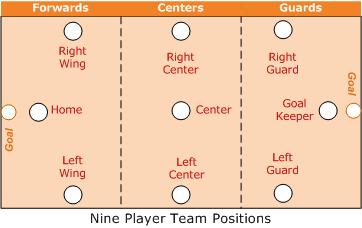
Image Source: hooptactics.net
The Core: Players on the Court
At its heart, basketball is a five-on-five sport. Each team fields five players simultaneously to compete on the court. These five players are typically comprised of:
- Point Guard: Often the primary ball-handler and playmaker.
- Shooting Guard: Typically a strong shooter, often tasked with scoring.
- Small Forward: A versatile player who can score, rebound, and defend.
- Power Forward: Usually a strong rebounder and scorer near the basket.
- Center: The tallest player, often playing close to the basket for rebounds and defense.
This lineup forms the starting lineup basketball for each team. However, the game is dynamic, and coaches constantly substitute players to maintain energy, exploit matchups, and implement different strategies. This brings us to the importance of the players who aren’t on the court at that exact moment – the bench.
The Extended Family: Bench Players and Substitutions
The players who aren’t in the starting lineup are known as bench players basketball. These players are vital for several reasons:
- Rest and Rotation: They allow starters to rest, preventing fatigue and reducing the risk of injury.
- Strategic Advantages: Different players have different skill sets, and coaches use bench players to exploit weaknesses in the opposing team or to adapt to changing game situations.
- Depth: A strong bench provides depth, ensuring the team can perform well even if multiple starters are out due to injury or foul trouble.
The ability to substitute players freely is a cornerstone of basketball strategy. It allows for a more fluid and adaptable game, where teams can adjust their approach on the fly.
League-Specific Roster Sizes
While the concept of five players on the court remains constant, the total number of players a team can have on its roster varies significantly across different professional and amateur leagues. These rules are in place to manage player development, ensure competitive balance, and control salary cap implications.
NBA Team Roster Size and Professional Basketball Team Size
The National Basketball Association (NBA) is the premier professional basketball league in the world. NBA team roster size is carefully regulated to balance competitive fairness and player opportunities.
- Standard Roster: An NBA team can carry a maximum of 15 players on its standard roster during the regular season. This 15-player limit includes players who are active for games and those who might be injured.
- Two-Way Contracts: The NBA also allows teams to sign up to two players to two-way contracts. These players split their time between the NBA team and its G League affiliate. While they count towards the 15-player limit for salary cap purposes, they have different activation rules for NBA games.
- Inactive List: Teams can have a certain number of players on an inactive list, usually due to injury. This allows them to have more than 15 players under contract at any given time, but only a specific number can be active for a game.
- Active Player Count Basketball: For any given game, an NBA team can dress a maximum of 13 players. This means that even with a 15-player roster, two players will be inactive for that specific contest.
The professional basketball team size in the NBA reflects the league’s commitment to having deep rosters capable of handling the rigors of an 82-game season, plus playoffs. This allows for specialized roles, with players who might be primarily defensive specialists, sharpshooters, or energy players coming off the bench.
NBA Roster Breakdown (Maximums)
| Category | Maximum Number of Players | Notes |
|---|---|---|
| Standard Roster | 15 | Includes all players under contract, active or inactive. |
| Two-Way Contracts | 2 | Players splitting time between NBA and G League. |
| Active Players for Game | 13 | Maximum number of players who can be dressed and available to play. |
| Injured Reserve (IR) | Varies | Players designated as injured, not counting against the active limit. |
FIBA Basketball Player Limits
FIBA (Fédération Internationale de Basketball) governs international basketball, including major tournaments like the Olympics and the FIBA World Cup. The FIBA basketball player limits are generally stricter than in the NBA, reflecting a different approach to squad management and international competition.
- Tournament Rosters: For most FIBA tournaments, teams are typically allowed to have a roster of 12 players. This smaller roster size emphasizes the importance of each player and often leads to more specialized roles within the team.
- Qualification Rounds: During qualification rounds, the number of players on the roster might be slightly different, but for major tournaments, 12 is the standard.
- Fewer Specialists: With a 12-player limit, teams may have fewer highly specialized players and more “all-around” contributors who can play multiple positions or fill various needs.
The basketball squad composition under FIBA rules often means that every player on the roster is expected to contribute, and there’s less room for players who are solely situational specialists.
College Basketball Team Size
College basketball in the United States operates under NCAA (National Collegiate Athletic Association) rules. College basketball team size can be quite large, driven by the need for practice players, development, and the competitive landscape of collegiate athletics.
- Scholarship Limits: NCAA Division I programs are limited to awarding 13 scholarships per season. This doesn’t directly dictate the total number of players on the team, as walk-ons (players who do not receive athletic scholarships) can fill out the roster.
- Typical Roster Size: A typical NCAA Division I men’s basketball team might have anywhere from 13 to 18 players, including scholarship athletes and walk-ons.
- Player Development Focus: The larger rosters in college basketball are partly due to the focus on player development. Coaches use practices to work with a larger group of players, identifying and honing talent for the future.
- Game Day Active: While the roster can be larger, the number of players available for a specific game is often around 12-15, depending on eligibility and coach’s decisions.
The college basketball team size is a unique blend of athletic scholarship rules and the need to build a program that can compete year after year.
High School Basketball Team Numbers
At the high school level, the numbers can be even more fluid. High school basketball team numbers are generally less regulated by national bodies and more by individual school districts or state athletic associations.
- Varying Rosters: Rosters can range significantly, from as few as 10-12 players on smaller schools or less competitive teams, to 15-20 players on larger or more established programs.
- Developmental Aspect: High school sports often have a strong developmental component, meaning larger rosters allow more students the opportunity to participate and learn the game.
- Fewer Formal Structures: Unlike professional or collegiate leagues, high school basketball often has fewer formal structures for player contracts or salary caps, allowing for more flexibility in squad size.
- Tryouts and Cuts: Depending on the school and the coach, there might be tryouts where players are cut to form a final roster, or the team might accept anyone who wishes to join and can commit to the schedule.
The basketball squad composition at the high school level is often a reflection of the school’s athletic program size and its philosophy towards participation.
Factors Influencing Team Size
Several factors contribute to why team sizes differ across various levels of basketball:
- Competitive Balance: Leagues like the NBA use roster limits to prevent teams from simply accumulating the most talent, aiming for more competitive parity.
- Player Development: Collegiate and high school programs often carry larger rosters to facilitate player development, providing opportunities for more athletes to learn and grow.
- Physical Demands: Professional leagues recognize the intense physical demands of a long season and require larger rosters to manage player fatigue and injuries.
- Financial Considerations: In professional leagues, roster size is also tied to salary cap considerations and the financial implications of having more players under contract.
- Rules and Regulations: Governing bodies like FIBA and NCAA set specific rules regarding roster composition to ensure fair play and manage the sport at their respective levels.
The Role of Each Player: Beyond the Starting Five
It’s important to recognize the value of every player on the basketball squad composition, even those who don’t typically make the starting lineup basketball.
- Practice Squad: Players not in the immediate rotation are crucial for running effective practice drills, simulating opposing team strategies, and pushing their teammates to improve.
- Inspiration and Morale: Even players who see limited game time can be vital for team morale and provide inspiration through their dedication and effort.
- Injury Cover: A key reason for a larger NBA team roster size is to have players ready to step in when starters are sidelined due to injury. Without this depth, a team’s season can quickly unravel.
- Matchup Advantages: Sometimes, a coach might bring in a specific bench player basketball for a short stint to exploit a particular matchup, such as a player known for their three-point shooting against a slower defender.
The active player count basketball on any given night is a strategic decision by the coach, often influenced by the opponent, player availability, and the team’s overall game plan.
Conclusion: A Spectrum of Squads
In summary, while five players are the constants on the court, the number of players that constitute a full basketball team varies widely. From the meticulously managed NBA team roster size of 15 to the potentially larger, more developmental rosters in high school, each level of basketball has its own rationale for determining professional basketball team size. These differences highlight the diverse goals and structures within the sport, from elite professional competition to grassroots participation. Whether it’s a tightly knit 12-player FIBA squad or a larger college team focused on developing future stars, the depth of a team is as crucial as the talent of its five starters.
Frequently Asked Questions (FAQ)
Q1: Can a basketball team have more than 5 players?
A1: Yes, while only 5 players are on the court at a time, teams have larger rosters that include bench players. The exact number varies by league.
Q2: What is the maximum number of players on an NBA team?
A2: An NBA team can have a maximum of 15 players on its standard roster, with an additional two players allowed on two-way contracts.
Q3: How many players are on the court for a basketball team during a game?
A3: There are always 5 players on the court for each team during a basketball game.
Q4: Does the number of players on a basketball team change during the season?
A4: Yes, roster sizes can fluctuate due to trades, player signings, injuries, and player movement between NBA and G League teams. However, league limits generally apply at specific times.
Q5: Are there different rules for team size in international basketball compared to the NBA?
A5: Yes, FIBA rules, which govern international play, typically limit rosters to 12 players, which is fewer than the NBA’s 15-player standard.