
A basketball should be inflated to a pressure of 7 to 9 pounds per square inch (PSI). This ensures an optimal bounce and feel for the game.
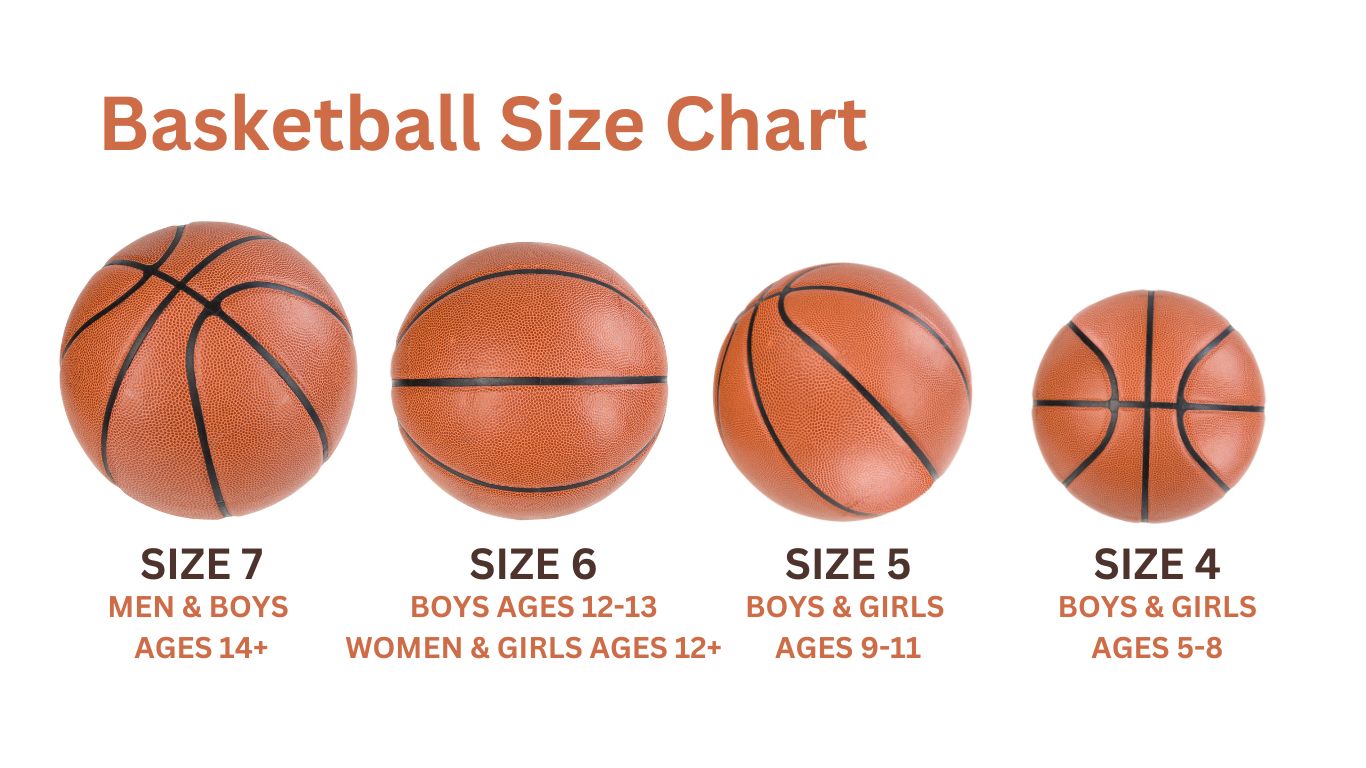
Image Source: 149347557.v2.pressablecdn.com
Perfecting Your Basketball’s Inflation
Getting your basketball’s air pressure just right is crucial for a great game. Too little air and the ball feels heavy and sluggish, affecting your dribbling and shooting. Too much air, and it becomes hard and unresponsive, potentially leading to poor play and even injury. This guide will help you achieve that sweet spot for optimal performance. We’ll cover everything from the ideal PSI to how to check and maintain your basketball’s air.
The Science Behind Basketball Inflation
The way a basketball bounces is directly related to how much air is inside it. When a ball with the correct basketball inflation hits the ground, the air inside compresses and then expands, pushing the ball back up. This stored energy, or potential energy, is converted into kinetic energy, making the ball rebound. If the ball has too much air, it’s too stiff to compress effectively, and the rebound will be less controlled. If it has too little air, the air inside can’t build up enough pressure to create a strong rebound.
The Ideal PSI for Basketball
The recommended PSI for basketball typically falls between 7 and 9 PSI. This range is standard for most basketballs, whether they are for indoor play, outdoor courts, or even recreational use. Manufacturers usually print the recommended pressure range on the ball itself, often near the inflation valve. Always check this marking for the most accurate guidance for your specific ball.
Why PSI Matters for Your Game
- Bounce Height: The correct pressure allows the ball to achieve the ideal basketball bounce test. A ball inflated to 7-9 PSI should rebound to about half of its original height when dropped from shoulder height.
- Grip and Feel: Properly inflated balls offer a better grip. They feel more substantial in your hands, making dribbling and shooting more comfortable and accurate.
- Durability: Over-inflation can stress the ball’s seams and bladder, potentially leading to premature wear or even bursting. Under-inflation can cause the ball to deform and wear out faster, especially on rougher surfaces.
- Consistency: Maintaining consistent basketball pressure across all your balls ensures fair play and predictable performance.
Performing the Basketball Bounce Test
The basketball bounce test is a simple yet effective way to gauge if your ball is properly inflated. Here’s how to do it:
- Find a Flat Surface: Stand on a flat, hard surface like a basketball court or concrete driveway.
- Drop from Shoulder Height: Hold the basketball at your shoulder height.
- Let it Drop: Release the ball, allowing it to fall naturally to the ground without any spin or force.
- Observe the Rebound: Watch how high the ball bounces back up.
- Ideal Bounce: The ball should rebound to approximately half your shoulder height. If you are 6 feet tall, dropping it from about 5 feet, it should bounce back up to about 2.5 feet.
- Too Much Air: If the ball bounces very high and feels hard, it likely has too much air.
- Too Little Air: If the ball barely bounces or feels soft and heavy, it needs more air.
Adjusting Inflation Based on the Bounce Test
If your bounce test indicates the ball needs adjustment, you’ll need to add or release a small amount of air.
- Adding Air: Use a pump with a needle to add air. Add air in short bursts, re-testing the bounce after each addition until you reach the desired rebound.
- Releasing Air: If the ball is over-inflated, you can gently press the needle into the valve without the pump attached to release a small amount of air. Then, re-test.
How to Inflate a Basketball Correctly
Properly inflating your basketball involves a few key steps and tools.
Essential Tools for Basketball Inflation
- Ball Pump: A standard hand pump or an electric pump designed for sports balls.
- Inflation Needle: A metal needle that screws onto the pump. Ensure it’s the correct size for basketball valves.
- Ball Pressure Gauge: This is the most accurate way to ensure proper basketball inflation. A good gauge allows you to measure the basketball pressure precisely.
Step-by-Step Inflation Guide
- Locate the Inflation Valve: Find the small, circular valve on the basketball. It’s usually a darker color and made of rubber.
- Moisten the Needle: Before inserting the needle, moisten it with water or saliva. This helps it slide in easily without damaging the valve.
- Attach the Needle to the Pump: Screw the inflation needle securely onto your ball pump.
- Insert the Needle: Gently insert the moistened needle into the inflation valve at a slight angle. Avoid forcing it straight in, as this can damage the valve.
- Begin Pumping: Start pumping air into the ball.
- Check the Pressure (Crucial Step):
- Using a Ball Pressure Gauge: If you have a ball pressure gauge, attach it to the pump’s nozzle before attaching the needle to the ball. Pump air until the gauge reads the desired PSI (7-9 PSI).
- Without a Gauge: Pump a few times, then remove the needle and perform the basketball bounce test. Repeat this process, adding small amounts of air, until the bounce test indicates optimal inflation.
- Remove the Needle: Once the ball is inflated, carefully remove the needle from the valve.
- Check for Leaks: Ensure the valve is sealing properly and no air is escaping.
Factors Affecting Inflation: Ambient Temperature
It’s important to remember that air expands when it’s hot and contracts when it’s cold. This means a basketball inflated to the correct pressure on a warm day might feel slightly softer on a cold day, and vice-versa. For competitive play, it’s best to ensure your ball is at the correct inflation in the temperature conditions where it will be used.
Deciphering the Basketball Air Pressure Chart
Many manufacturers provide a basketball air pressure chart or recommendations for their specific products. These charts can be incredibly helpful, especially when you’re unsure about the exact specifications for your ball.
What to Look for on a Basketball Air Pressure Chart
- Recommended PSI Range: This is the most critical information. It will tell you the optimal pressure for the ball’s size and construction.
- Ball Type: Charts may differentiate between indoor, outdoor, or composite leather balls, as their air retention and preferred feel can vary.
- Ball Size: While less common, some charts might offer slightly different pressure recommendations based on the official basketball circumference for different age groups (e.g., Size 7 for men, Size 6 for women and younger players).
Using the Chart for Optimal Inflation
When you get a new basketball or notice your current one isn’t performing as expected, consult any available charts. If the ball itself has markings, prioritize those. If not, a general chart or the 7-9 PSI range is a reliable guideline.
Checking Basketball Air: Regular Maintenance
Regularly checking basketball air is key to maintaining its performance and longevity. Don’t wait until the ball feels obviously flat.
How Often Should You Check?
- Before Each Game/Practice: A quick bounce test is a good habit.
- Weekly: For balls used frequently, a more thorough check with a pump and gauge (if available) weekly is ideal.
- Monthly: Even for less-used balls, a monthly check helps ensure they’re ready when you are.
Signs Your Basketball Needs Air
- Poor Bounce: The most obvious sign is a weak or inconsistent bounce.
- Soft Feel: The ball feels squishy or mushy when you dribble.
- Visible Deformation: The ball might look slightly deflated or out of shape.
- Difficulty Gripping: It feels harder to control the ball.
The Importance of Proper Basketball Inflation for Different Ball Types
While the 7-9 PSI range is general, certain types of basketballs might have nuances in their ideal basketball pressure.
Indoor vs. Outdoor Basketballs
- Indoor Basketballs: Often made of premium leather, these balls are designed for smooth indoor courts. Proper basketball inflation is crucial for their responsiveness and feel. Over-inflation can make them too hard, while under-inflation affects their grip and bounce.
- Outdoor Basketballs: Typically made of composite or rubber materials, these balls are more durable but might lose air slightly faster. They can often tolerate slightly firmer inflation, but sticking to the 7-9 PSI range is still recommended. The key is a consistent, predictable bounce.
Material Matters: Leather, Composite, and Rubber
- Leather: Natural leather basketballs often require careful basketball inflation to maintain their softness and grip.
- Composite Leather: This is a popular choice, offering a good balance of feel and durability. They generally respond well to the standard PSI range.
- Rubber: Rubber basketballs are the most durable and are often used for outdoor play. They tend to hold air well but can become too hard if over-inflated, which can affect grip and control.
Troubleshooting Common Inflation Issues
Sometimes, you might encounter problems when trying to inflate your basketball.
Needle Won’t Go In
- Cause: The valve might be stiff or have a slight obstruction.
- Solution: Ensure the needle is properly screwed onto the pump. Moisten the needle thoroughly. Try a very slight twisting motion as you insert it. If it still won’t go, try a different inflation needle.
Ball Won’t Hold Air
- Cause: The valve might be damaged, or there could be a small leak in the ball’s bladder.
- Solution: Try a different inflation needle. Check the valve area for any visible damage. If the ball consistently loses air quickly after proper inflation, the bladder may be compromised, and the ball might need replacement.
Over-Inflated Ball Feels Too Hard
- Cause: Too much air has been pumped in.
- Solution: Gently press the inflation needle (without a pump attached) into the valve to release a small amount of air. Re-test the bounce. Repeat as needed until the ball feels right.
Frequently Asked Questions About Basketball Air Pressure
Q1: How do I know if my basketball is the right size?
The basketball circumference is standardized for different age groups. For men’s professional and college play, a Size 7 ball is standard (circumference 29.5 inches). For women’s and youth leagues, a Size 6 ball (circumference 28.5 inches) is common. Always check the size recommended for your league or age group.
Q2: Can I use a tire pressure gauge for my basketball?
While a tire pressure gauge measures PSI, it’s best to use a gauge specifically designed for sports balls. Tire gauges can be less sensitive at the lower PSI ranges used for basketballs, leading to inaccurate readings.
Q3: How does the basketball circumference relate to inflation?
The basketball circumference is determined by the ball’s size and is a fixed measurement. The basketball inflation affects the firmness and bounce within that defined circumference. The correct inflation ensures the ball maintains its intended shape and performance characteristics according to its size.
Q4: My new basketball feels a bit soft. Do I need to inflate it?
Yes, new basketballs often come slightly under-inflated for shipping. It’s always a good idea to check the basketball pressure and inflate it to the recommended 7-9 PSI range using the bounce test or a gauge.
Q5: How do I measure the basketball circumference accurately?
Use a flexible measuring tape. Wrap it around the widest part of the ball, ensuring it’s snug but not stretching the ball. For official measurements, use a tape measure designed for ball circumference.
Q6: Is there a specific basketball air pressure chart for outdoor courts?
While specific charts for outdoor courts are rare, the general 7-9 PSI recommendation still applies. Outdoor balls are often made of more durable materials that can handle slightly rougher play. The primary goal remains achieving a consistent and responsive bounce.
Q7: What happens if I over-inflate my basketball?
An over-inflated basketball will feel hard and may bounce too high or erratically. It can also be more prone to damage, as the seams and bladder are under excessive stress. It can also feel less “grippy” and make dribbling harder.
Q8: What happens if I under-inflate my basketball?
An under-inflated basketball will feel soft, heavy, and will not bounce well. It will be difficult to dribble accurately, and shooting will be significantly affected. The ball can also lose its shape over time.
Q9: How do I check the inflation level without a ball pressure gauge?
The primary method is the basketball bounce test. Dropping the ball from shoulder height and observing if it rebounds to about half that height is a reliable indicator of proper inflation.
Q10: Is checking basketball air important for casual play?
Absolutely! Whether you’re playing a serious game or just shooting around, proper inflation makes the ball more enjoyable to play with. It improves your control, your shooting accuracy, and the overall fun of the game.
By following these guidelines, you can ensure your basketball is always in peak condition, ready for action. Proper inflation is a small detail that makes a big difference in your game.