
Can you beat a zone defense? Yes, absolutely! Beating a zone defense is all about smart play, good passing, and precise shooting. This guide will help you break down zone defense, attack its weaknesses, and score more points. We’ll cover how to effectively pass against zones, penetrate them, shoot over them, and discuss general zone offense strategies.
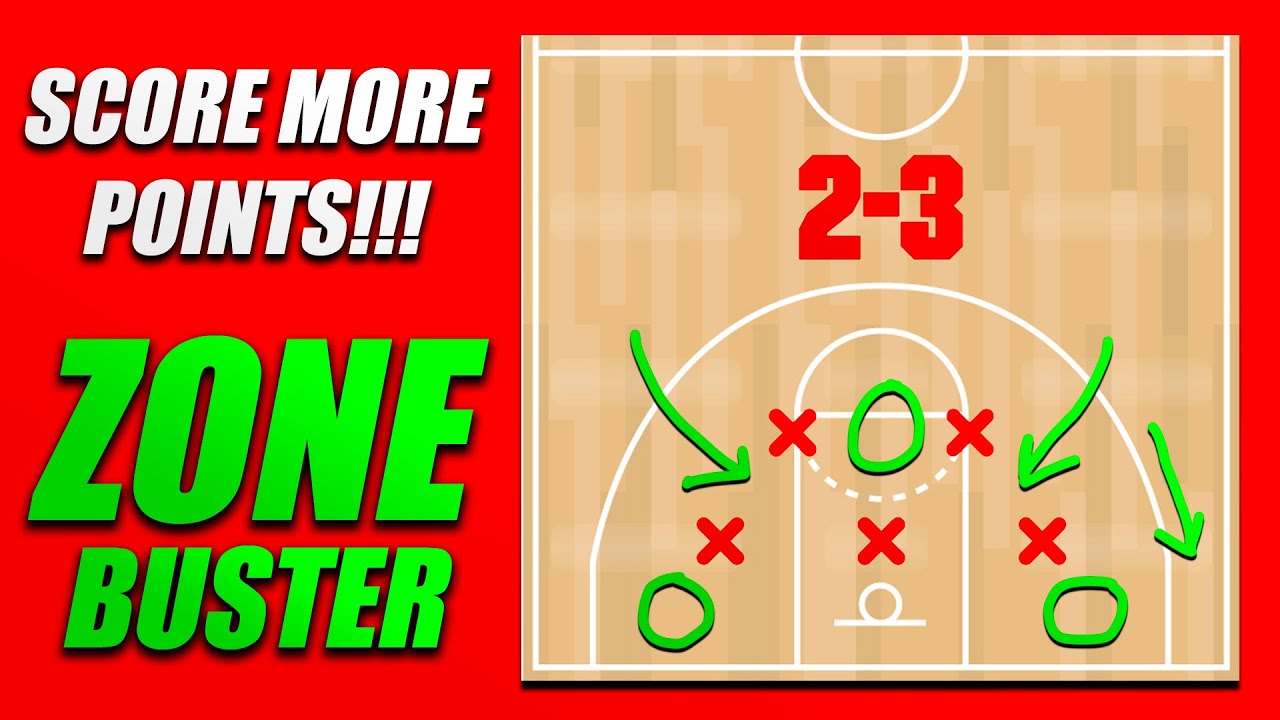
Image Source: i.ytimg.com
Deciphering Zone Defense Weaknesses
Zone defenses are designed to protect the basket by having players guard areas rather than specific opponents. While they can be effective at limiting dribble penetration and forcing contested jump shots, they also have inherent weaknesses that smart offenses can exploit.
Common Zone Defense Vulnerabilities
- Gaps and Seams: All zone defenses have spaces between the defenders. If you can get the ball into these gaps, you can create scoring opportunities.
- Overplaying: Defenders may get too aggressive in their zones, leaving them out of position.
- Rebounding: Zone defenders are often focused on their area, which can leave them out of position for defensive rebounds.
- Communication Breakdown: Zones rely heavily on communication. If defenders aren’t talking, they can leave players open.
- Ball Movement: Slow or predictable ball movement allows the zone to recover and cover its areas.
Attacking Zone Basketball: A Strategic Approach
To effectively attack a zone, you need a plan that targets these weaknesses. It’s not just about having good individual players; it’s about team execution and making the defense work.
Key Principles for Zone Offense
- Patience: Don’t rush your offense. Let the ball do the work.
- Ball Movement: Quick, crisp passes are essential. Make the zone shift.
- Player Movement: Players without the ball need to cut, flash, and fill open spots.
- Attacking Gaps: Look to get the ball into the interior of the zone.
- Shooting: Hit open shots when they are available.
Zone Offense Strategies: Making the Defense React
Effective zone offense strategies involve a combination of passing, cutting, and shooting. The goal is to force the zone to break its structure.
Passing Against Zones: The Lifeblood of Your Offense
Passing against zones is different from man-to-man. You need to pass with purpose and accuracy to exploit openings.
Techniques for Effective Passing
- Skip Passes: These long, cross-court passes can catch the zone off guard and create quick scoring chances. They are particularly effective against teams that over-shift.
- Entry Passes into the Gaps: Aim to get the ball to players in the “high post” or “short corner” areas, which are often weak spots in many zones.
- Pass Fakes: A good pass fake can freeze a defender long enough to get a pass through or create space for a shot.
- Backdoor Cuts: When a defender overplays the passing lane, a backdoor cut behind them can lead to an easy layup.
- Pass and Screen Away: Pass the ball and then move to set a screen for a teammate who is cutting. This forces the defense to make a decision.
Penetrating Zone Defense: Getting Inside
While zones are designed to keep penetration out, smart offenses can still find ways to get into the paint.
Methods for Penetrating Zones
- Dribble Penetration into Gaps: A strong dribbler can sometimes drive into the gaps between zone defenders. This usually requires an outlet pass once the defense collapses.
- Flash Cuts: Players in the front court can “flash” into the high post or short corner areas to receive passes. This forces a defender to step up and can open up passing lanes.
- Overload Zones: Send multiple players to one side of the court to draw defenders, then quickly reverse the ball to the weak side.
- Pick and Roll: While it can be harder to run against a zone, a well-executed pick and roll can force defenders to switch or get caught out of position, creating a seam.
Shooting Over Zone Defense: The Ultimate Disruptor
The most effective way to beat a zone is to make shots. If you can consistently hit open jumpers, the zone will have to extend, opening up other opportunities.
Tips for Shooting Against Zones
- Identify Open Shooters: The ball handler must be able to recognize when a teammate has a clean look.
- Catch and Shoot: Players should be ready to catch and shoot immediately, not wasting time with extra dribbles.
- High Post/Wing Combinations: A common strategy is to get the ball into the high post, forcing the zone to collapse, then kick out to an open shooter on the wing.
- Corner Three-Pointers: These shots are often available against zones, especially if the offense can draw defenders into the paint.
- Transition Opportunities: When you can get out and run before the defense sets up, you can often get easy shots.
Specific Zone Offense Strategies
Different zone defenses require slightly different approaches. Here are strategies for common zone formations.
2-3 Zone Offense: Exploiting Basketball Zones
The 2-3 zone is popular because it provides good coverage in the paint and on the wings. Its weaknesses are often in the seams between defenders and the top corners of the zone.
Attacking the 2-3 Zone
- High Post Entry: Get the ball to a player in the middle of the court, just above the free-throw line. This forces the two top defenders to move up and the middle defender to react. From here, you can pass to cutters, shooters on the wing, or the short corner.
- Short Corner Attack: A player in the short corner (near the baseline and the lane) can be a potent weapon. They can shoot, drive, or pass to a player cutting from the high post or to the basket.
- Overload the Bottom: Send two players to the baseline on one side of the basket. This can draw the two bottom zone defenders, opening up passing lanes to the opposite side or the high post.
- Skip Pass to the Weak Side: After getting the ball to one side of the zone, a skip pass to the opposite wing or corner can catch defenders out of position.
Table: 2-3 Zone Offense Tactics
| Tactic | Objective | Key Player Action |
|---|---|---|
| High Post Entry | Collapse the defense, create passing options. | Player flashes to high post, receives pass, looks for cutters or open shooters. |
| Short Corner Pass | Draw baseline defenders, create 2-on-1 opportunities. | Pass into the short corner, look for dump-off pass or skip to weak-side shooter. |
| Overload Bottom | Draw baseline defenders out of position. | Two players on one side of the baseline, receiver makes play. |
| Skip Pass | Shift defense, create open shots on the weak side. | Quick pass across the court to an open shooter. |
| Gap Dribble | Force a defender to step up, create passing lane. | Dribble into a gap, draw defender, pass to open player. |
3-2 Zone Offense: Strategies for Success
The 3-2 zone places three defenders across the top and two on the baseline. This zone is good at contesting outside shots but can be vulnerable in the middle and on the baseline.
Exploiting the 3-2 Zone
- Attack the Gaps: The spaces between the top three defenders and between the top and bottom defenders are key. Get the ball into these areas.
- Baseline Drives: The two baseline defenders can be stretched. A strong baseline drive can force help defense and open up passes to the perimeter or cutters.
- High Post Flashes: Similar to the 2-3, flashing to the high post can pull the middle defender out and create space.
- Pass and Cut: After passing to a wing, cut through the lane to receive a return pass or draw defenders.
- Corner Three-Pointers: If the baseline defenders are drawn too far out, the corner three is often available.
Table: 3-2 Zone Offense Tactics
| Tactic | Objective | Key Player Action |
|---|---|---|
| Gap Penetration | Force defenders to collapse, open passing lanes. | Dribble into the space between top defenders, look to pass. |
| Baseline Drive | Draw help defense, create opportunities. | Drive hard along the baseline, draw defender, kick out or pass to cutter. |
| High Post Flash | Pull middle defender out, create passing options. | Player flashes to the high post, receives pass, passes to wing or cutters. |
| Pass and Cut | Create movement and passing opportunities. | Pass to wing, cut through the lane, look for pass back or pass to baseline. |
| Corner Shot | Take advantage of stretched baseline defenders. | Pass to the corner, shoot if open, or drive baseline if defender closes out hard. |
Mastering Zone Defense Weaknesses: Advanced Techniques
Once you’ve grasped the basic strategies, you can look at more advanced ways to break down a zone.
Manipulating the Zone’s Movement
The key to beating any zone is to make it move. The more the zone shifts, the more likely a defender is to be out of position.
Advanced Tactics
- Rapid Ball Reversal: Quick passes from one side of the court to the other force the zone to constantly shift. This can create openings on the weak side.
- Triple Threat: When a player receives the ball in a gap or near the paint, they should be in a “triple threat” position (ready to shoot, pass, or dribble). This makes it harder for defenders to know what they will do.
- Boxing Out for Offensive Rebounds: Zone defenders may not always box out as aggressively as man-to-man defenders. Smart offensive players can crash the offensive boards for put-backs.
- Screens on Zone Defenders: While not a traditional screen, setting a “pick” on a zone defender can momentarily trap them or force them to move in an unnatural way, creating a lane.
- Using the Basket as a Screen: A player can pass to a teammate cutting along the baseline behind the basket. The basket itself can block the view of the defender.
The Importance of Player IQ and Communication
A high basketball IQ is crucial when facing a zone. Players need to read the defense and make the right decisions. Good communication helps players identify open spots and call out defensive adjustments.
Enhancing Player IQ and Communication
- Drills: Practice drills that simulate zone situations, focusing on quick passes, cuts, and recognizing defensive rotations.
- Film Study: Watch film of opposing teams and your own to identify successful strategies and areas for improvement against zones.
- Verbal Cues: Encourage players to communicate “Ball!” when calling for a pass, or “Help!” if a teammate is in trouble.
- Non-Verbal Cues: Eye contact and hand signals can also be effective for communicating plays and intentions.
Frequently Asked Questions (FAQ)
What is the best way to initiate offense against a zone?
The best way to initiate offense against a zone is with a pass into a high-penetrating area, such as the high post or short corner. This forces the zone to collapse and open up passing lanes for other players. Quick ball movement and player movement are also key to getting started.
How do I prevent my team from getting stuck on the perimeter against a zone?
To prevent your team from getting stuck on the perimeter, emphasize player movement and cutting. Players without the ball should constantly move to open areas, flash into the gaps, and make backdoor cuts. Dribble penetration into the gaps, followed by a kick-out pass, can also help break the zone’s coverage.
Is shooting threes the only way to beat a zone?
No, shooting threes is not the only way to beat a zone, though it is a very effective method if you have good shooters. Penetrating the zone, passing into the gaps for layups, and scoring in the short corner are all valid strategies. The key is to make the defense react and then exploit the resulting openings.
How important is dribble penetration against a zone?
Dribble penetration is important, but it must be strategic. Instead of just dribbling aimlessly, penetration should be aimed at the seams or gaps of the zone. The goal is to draw a defender and create a passing opportunity, not necessarily to finish at the rim yourself unless a clear lane exists.
What are the main weaknesses of a 2-3 zone defense?
The main weaknesses of a 2-3 zone are the seams between the defenders, particularly the high post and the short corner areas. It can also be vulnerable to skip passes and offenses that overload one side of the court.
What are the main weaknesses of a 3-2 zone defense?
The main weaknesses of a 3-2 zone are the gaps between the top three defenders and the vulnerability of the baseline defenders to drives and passes. Offensive players who can penetrate these gaps or attack the baseline can exploit this zone.
By implementing these strategies, practicing diligently, and focusing on smart basketball, you can effectively break down any zone defense and lead your team to victory. Remember, patience, ball movement, and player movement are your greatest allies.