
What is zone defense in basketball? Zone defense is a defensive strategy where players guard specific areas of the court rather than marking individual offensive players. Can I beat zone defense? Yes, you can absolutely beat zone defense with the right strategies and execution.
Beating a zone defense in basketball requires patience, smart decision-making, and precise execution. Zones are designed to clog the paint, force turnovers, and make scoring difficult. However, by effectively utilizing passing, movement, and attacking specific areas, teams can dismantle even the most stubborn zone. This in-depth guide will break down the winning strategies to conquer zone defenses, from fundamental principles to advanced tactics.
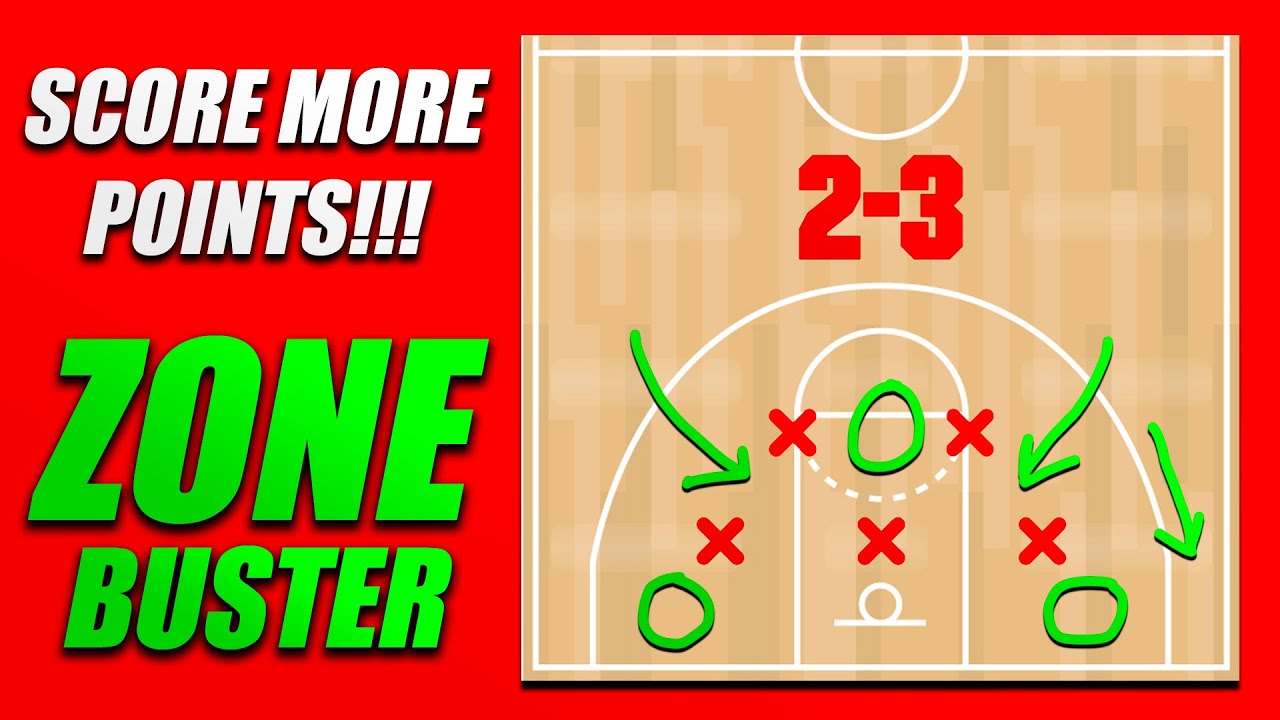
Image Source: i.ytimg.com
Deciphering Zone Formations: The Foundation of Attack
Before you can effectively attack a zone, you must be able to recognize its different formations. Each formation presents unique vulnerabilities that can be exploited.
Common Zone Setups
- 2-3 Zone: Two defenders up top, three along the baseline. This is the most common zone. It excels at protecting the paint and preventing easy shots near the basket. Its weakness often lies in the high post and the corners.
- 3-2 Zone: Three defenders in a line across the top, two along the baseline. This formation is more aggressive on the perimeter, aiming to deny three-point shots. It can be vulnerable to quick passes into the high post and drives from the wings.
- 1-2-2 Zone: One defender at the top, two in the middle, and two along the baseline. This zone is designed to pressure the ball handler and force turnovers. It can be susceptible to skip passes and attacks into the gaps between defenders.
- Box-and-One: A combination defense where four players play a zone (often a 2-2 box) and one defender plays man-to-man on the opponent’s best scorer. This is a specialized defense designed to shut down a single player.
Key Principles for Zone Offense
Several core principles underpin successful zone offense. Mastering these will provide a framework for all your attacking strategies.
Ball Movement is Paramount
The single most important element against a zone is moving the ball quickly and decisively. Static play allows the zone to shift and cover ground efficiently.
- Crisp Passing: Make sharp, accurate passes to beat the zone’s tendency to clog passing lanes. Avoid floaters or slow passes that give defenders time to react.
- Skip Passes: These long, cross-court passes are crucial for shifting the defense and creating open shots. They exploit the zone’s natural tendency to over-shift to one side.
- Kick-Out Passes: When a player drives into the paint, a quick kick-out pass to an open perimeter shooter is a high-percentage play against a zone.
Player Movement and Spacing
Offensive players cannot stand still. Constant movement and proper spacing are vital to creating and exploiting gaps in the zone.
- Flashing the Middle: Players should constantly move to open areas, particularly the high post and low post areas. “Flashing the middle” means a player cuts into the center of the court, often in the high post, to receive a pass. This forces the zone to collapse and can open up perimeter shots or driving lanes.
- Cutting Through the Gaps: Players should cut through the open spaces (seams) between zone defenders. These cuts can draw defenders out of position or create immediate scoring opportunities.
- Spacing the Floor: Ensure offensive players are spread out, forcing the zone to cover more ground. This prevents defenders from collapsing too easily on dribble penetration.
Attacking the Gaps and Seams
The areas where zone defenders meet are known as “seams.” Attacking these seams is a primary method for breaking down a zone.
- Dribble Penetration: Driving the ball into the gaps of the zone forces defenders to commit. This creates opportunities for kick-out passes or layups.
- Pass into the Seams: Instead of trying to force passes over defenders, look to pass the ball into the openings between them. This requires good vision and timing.
Strategies to Dismantle Zone Defenses
Now, let’s delve into specific, actionable strategies that have proven effective against various zone defenses.
1. Overloading One Side
This strategy involves sending multiple offensive players to one side of the court to create a numerical advantage against the zone.
- Execution: Two or three players will position themselves on one wing or corner. The ball is then passed to that overloaded side.
- Why it Works: It forces the zone defenders to converge on that side, leaving the opposite side of the court vulnerable. A skip pass to the weak side can then create an open shot or drive.
- Example: In a 2-3 zone, you might send your point guard and shooting guard to one wing, with your center or forward flashing to the high post on that same side. This forces the top two zone defenders and the nearest wing defender to commit, opening up the opposite corner or wing.
2. Utilizing the High Post and Low Post
The high post (area near the free-throw line extended) and the low post (baseline area) are critical areas to attack in most zone defenses.
- High Post Actions:
- “Flash the middle”: As mentioned, a player cutting to the high post is a constant threat. They can receive a pass, turn, and either shoot, drive, or pass to cutters or shooters.
- Screening the zone: A player in the high post can set screens for perimeter shooters coming off screens, forcing zone defenders to make difficult decisions.
- Pass to the cutter: A high-post player receiving the ball can act as a facilitator, passing to players cutting from the perimeter into the paint.
- Low Post Actions:
- “Seal and Flash”: If you have a strong post player, they can position themselves in the low post, seal their defender, and flash to receive a pass. This draws defenders in and can create opportunities for kick-outs or entry passes to other post players.
- Drawing the zone: A low-post player can force multiple defenders to collapse on them, creating open perimeter shots for teammates.
3. Attacking the Seams with Dribble Penetration
Dribble penetration is a powerful tool against zones. The goal is to force the zone to break its shape and commit defenders.
- Targeting Gaps: Drivers should aim to dribble into the spaces between zone defenders. This forces a defender to step up and guard the ball handler.
- Reading the Defense: When a defender steps up, the ball handler must be ready to make the right decision:
- Kick-out pass: Dish the ball to an open shooter on the perimeter.
- Pass to a cutter: Find a teammate cutting through the paint.
- Layup or pull-up jumper: If the lane is open, finish the play.
- Importance of Dribble Protection: Players need to protect the ball when driving into the zone, as defenders will try to poke it away.
4. Exploiting Weaknesses with Skip Passes
Skip passes are the great equalizer against zones. They quickly change the point of attack and force defensive rotations.
- Creating Angles: A skip pass from one side of the court to the opposite wing or corner often travels through a larger gap in the zone.
- Benefiting Shooters: If you have good shooters, run plays that involve a skip pass to an open shooter on the weak side.
- Breaking the Zone’s Momentum: A well-timed skip pass can stop the zone’s momentum and force it to scramble defensively.
5. Utilizing the Corner Shooters
Corner three-pointers are often the most open shots against many zone defenses, especially the 2-3.
- Spacing the Baseline: Ensure your players are positioned in the corners to occupy the baseline defenders.
- Kick-Outs: When a player drives from the wing or high post, the corner shooter is often the beneficiary of a kick-out pass.
- “Gunslinger” Passes: Sometimes, a quick skip pass directly to a corner shooter can be very effective if the defense over-shifts.
6. Using the “Box” and “Diamond” Offense
These offensive sets are specifically designed to create spacing and passing opportunities against zones.
- Box Offense: Four players position themselves in a square around the perimeter, with one player at the high post. This creates multiple passing angles and forces the zone to move in a coordinated fashion.
- Diamond Offense: Players form a diamond shape with the ball handler at the top, two players on the wings, and one player in the low post or at the baseline. This also creates good spacing and passing options.
7. Screening the Zone
While zones aren’t man-to-man, screens can still be effective in disrupting their structure.
- Screening the “Cone”: In a 2-3 zone, the two top defenders often form a “cone” that protects the middle. Setting screens on these defenders can open up the high post or allow shooters to get open looks.
- Backdoor Cuts: Players without the ball can make sharp backdoor cuts through the zone, especially after a pass has been made to the opposite side.
8. Transition Opportunities
Once you’ve beaten the zone and scored, transitioning back into defense is key. However, you can also attack the zone during transition.
- Fast Breaks: If you can secure a rebound or steal, pushing the ball up the court quickly before the zone can set up is a prime scoring opportunity.
- “Kick Ahead”: On a fast break, passing the ball ahead of the primary ball handler can exploit gaps in the settling zone.
Specific Zone Vulnerabilities and Counter-Attacks
Let’s get more granular about how to exploit the weaknesses of common zones.
Countering the 2-3 Zone
The 2-3 zone is prevalent because it protects the basket well.
- Key Attack Points:
- High Post: The area between the two top defenders is a prime spot for penetration and passing.
- Corners: Often left open when the wing defenders pinch too far into the paint.
- Baseline Drives: Guards driving from the wing can force the baseline defenders to commit, creating kick-out opportunities.
- Effective Tactics:
- Overload the wing: Send two or three players to one wing, forcing the top defenders and the weak-side wing defender to react. A skip pass to the opposite corner is often open.
- Flash the high post: A player in the high post can receive a pass, turn, and hit shooters in the corners or wings.
- Dribble penetration from the wing: Force the baseline defender to step up, creating passing angles.
- Patience and ball movement: Don’t force shots early. Move the ball, make the zone shift, and wait for an open look.
| 2-3 Zone Vulnerability | Counter-Attack Strategy | Player Action |
|---|---|---|
| High Post | Flash a player to the high post | Player cuts to the free-throw line area, receives a pass, looks to shoot, drive, or pass to cutters. |
| Corners | Skip pass to the opposite corner | Player on the weak side receives a skip pass and shoots or drives. |
| Wing Gaps | Dribble penetration from the wing | Ball handler drives into the gap, forces a defender to commit, then passes to an open shooter or cutter. |
| Baseline | Entry pass to a low-post player who flashes to the ball | Post player seals their defender and flashes to receive a pass, drawing defenders and creating openings. |
Countering the 3-2 Zone
The 3-2 zone is more aggressive on the perimeter.
- Key Attack Points:
- High Post: The area behind the three perimeter defenders is a prime target.
- Baseline: The two baseline defenders can be stretched by quick passes and cuts.
- Dribble Drives: Driving into the gaps between the three perimeter defenders.
- Effective Tactics:
- Flash the high post: This is crucial to disrupt the three-person perimeter line. The high post player can then look to score or create for others.
- Skip passes to the weak side: Attack the gaps between defenders with long passes.
- Dribble penetration: Drive into the seams between the guards and forwards.
- Entry passes to the low post: If the baseline defenders overcommit to the perimeter, entry passes to the low post can be effective.
Countering the 1-2-2 Zone
This zone is designed to pressure the ball handler.
- Key Attack Points:
- Gaps between defenders: The spaces between the point defender and the wing defenders.
- High post: The area where the two middle defenders meet.
- Corners: Often left open when the baseline defenders are pulled out of position.
- Effective Tactics:
- Quick ball movement: Avoid holding the ball too long to prevent the pressure from being effective.
- Skip passes: Exploit the zone’s tendency to over-shift to the ball.
- Dribble penetration into the seams: Drive into the gaps to draw defenders and create passing opportunities.
- Flash the high post: This forces the two middle defenders to make a decision, opening up other areas.
Advanced Tactics for Zone Buster
Beyond the fundamentals, consider these advanced approaches.
1. The “Soft” Zone Attack
This involves a more deliberate approach, focusing on ball movement and finding the open man rather than aggressive penetration.
- Patience is Key: Make the zone defend for longer periods. Move the ball around the perimeter, looking for the best shot.
- Constant Movement: Players without the ball should be cutting, screening, and relocating to keep the zone off balance.
- “Paint Touches”: Even if not a direct scoring opportunity, getting the ball into the paint (high post, short corner) forces the zone to collapse, creating kick-out opportunities.
2. Attacking with the “Crossover” or “Drag” Screen
These screens can be used effectively against zones by creating confusion and forcing defenders to switch or fight through.
- How it Works: A player on the perimeter sets a screen for a teammate who is cutting through the middle or into the paint.
- Zone Reaction: The zone defenders must decide whether to switch, stay, or hedge. This decision can lead to defensive breakdowns.
3. Utilizing the “Short Corner” Attack
The short corner (the area just above the baseline and inside the lane) is a critical scoring area against many zones.
- Entry Pass: A strong entry pass to a player flashing to the short corner can force the low defender to commit, creating kick-out opportunities.
- Quick Shot or Drive: The player in the short corner can often get a quick shot or drive to the basket.
4. The “Fake Pass, Dribble”
A player with the ball can fake a pass to an open teammate, drawing the defender’s attention, and then dribble into the gap.
- Deception: This play relies on the defender’s anticipation of a pass.
- Exploiting the Closeout: If the defender closes out aggressively on the fake, the ball handler can drive past them.
5. Player Development: Skills for Zone Offense
Certain skills are particularly important for players facing a zone.
- Passing Vision and Accuracy: The ability to see open players and deliver precise passes is paramount.
- Dribble Penetration: Players need to be comfortable dribbling into traffic and making decisions.
- Shooting: Knocking down open perimeter shots is essential to punishing the zone.
- Off-Ball Movement: Cutting, screening, and relocating without the ball are vital for creating space.
- Basketball IQ: Players must be able to read the zone, anticipate defensive rotations, and make good decisions.
Common Mistakes to Avoid
Even with the right strategies, mistakes can still cost you.
- Standing Still: Players not moving off the ball allow the zone to remain compact.
- Forcing Passes: Trying to thread the needle through tight passing lanes is a recipe for turnovers.
- Too Much Dribbling: Holding the ball too long or dribbling without purpose allows the zone to set up and recover.
- Lack of Rebounding: Zone defenses often force longer shots, so crashing the offensive boards is crucial.
- Not Attacking the High Post: This is a critical area that often gets neglected, allowing the zone to remain effective.
Frequently Asked Questions (FAQ)
- Q: What is the best way to start against a zone?
A: Start by moving the ball quickly around the perimeter, probing the zone and looking for openings. Get the ball to the high post early to see how the defense reacts. - Q: How do you beat a zone that denies the high post?
A: If the high post is heavily denied, look to attack the short corners or use skip passes to the opposite wing/corner. Player movement and cutters become even more important. - Q: My team struggles with turnovers against zones. What can we do?
A: Focus on crisp, strong passes. Avoid passes that are easily tipped or stolen. Practice passing into windows and making decisive decisions. - Q: Is dribble penetration always the answer against a zone?
A: Dribble penetration is a tool, not the only answer. It’s effective when used to draw defenders and create passing opportunities. Too much isolated dribbling can lead to turnovers. - Q: How important are offensive rebounds against a zone?
A: Very important. Zones often defend with fewer players in close proximity to the basket, which can lead to offensive rebound opportunities if you attack the boards.
By implementing these strategies, practicing diligently, and focusing on execution, your team will be well-equipped to dismantle any zone defense and emerge victorious. Remember, patience, ball movement, and smart decision-making are your greatest allies.