
Can you become a basketball ref without prior experience? Yes, you absolutely can become a basketball ref without prior playing or officiating experience. Many successful referees start with no background in the sport and learn the craft through dedicated training and practice.
Becoming a basketball referee is a rewarding endeavor that offers a unique perspective on the game. It’s a role that requires sharp observation skills, a solid grasp of basketball rules, and the ability to make quick, fair decisions. If you’re passionate about basketball and enjoy being involved in the action, becoming a referee might be the perfect path for you. This comprehensive guide will walk you through the steps, from initial interest to consistently officiating basketball games.
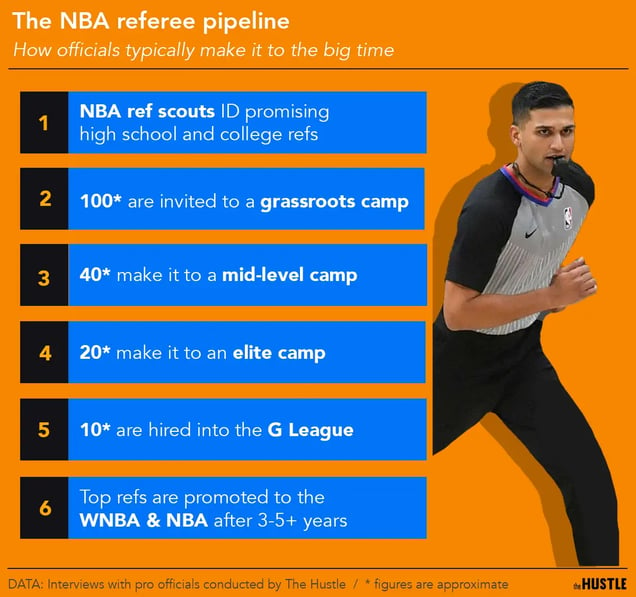
Image Source: 20627419.fs1.hubspotusercontent-na1.net
The Essential Path to Becoming a Basketball Referee
The journey to becoming a sports official in basketball is structured and achievable. It involves gaining knowledge, acquiring skills, and obtaining the necessary credentials.
Getting Started: Your First Steps
- Express Your Interest: The first step is simply to decide you want to do it! Think about why you want to officiate. Is it to stay involved in the game, contribute to youth sports, or earn extra income? Understanding your motivation will help you stay committed.
- Research Local Opportunities: Look for local basketball leagues, school districts, or youth sports organizations. These are often the best places to start gaining experience. Many basketball leagues have specific processes for recruiting and training new officials.
- Connect with a Referee Association: Joining a referee association is one of the most crucial steps. These organizations are invaluable resources for training, networking, and job opportunities. They often provide mentorship from experienced referees and access to standardized training programs.
Navigating Referee Training and Certification
Referee training is paramount to developing the skills and knowledge needed to officiate effectively. Officiating certification signifies that you have met specific standards set by governing bodies.
Key Components of Referee Training:
- Learning the Basketball Rules: A deep dive into the official basketball rules is non-negotiable. This includes understanding game procedures, fouls, violations, and positioning. Rulebooks are detailed, and continuous study is essential.
- Understanding Game Mechanics: This refers to the practical aspects of officiating: where to stand, how to signal, how to communicate with players and coaches, and how to manage the game flow.
- Developing Decision-Making Skills: Referees must make split-second decisions under pressure. Training often involves simulated game scenarios and case studies to hone this ability.
- Physical Conditioning: While not always a formal part of certification, good physical fitness is vital. Referees are on their feet for extended periods, often sprinting to keep up with the play.
Obtaining Officiating Certification:
The specific requirements for officiating certification vary by state and the level of play (e.g., youth leagues, high school, college).
- Governing Bodies: In many areas, state high school athletic associations or national organizations like the National Federation of State High School Associations (NFHS) or USA Basketball set the standards for certification.
- Written Exams: Most certification processes involve passing a written test on the basketball rules.
- Practical Evaluations: Some certifications may require a practical assessment where your skills are observed during a game.
- Background Checks: For many youth and school-level officiating positions, background checks are mandatory to ensure the safety of young athletes.
What are the Refereeing Requirements?
What are the refereeing requirements? Generally, refereeing requirements include a minimum age (often 18 or older), a commitment to learn and uphold the rules, good physical health, and the ability to pass any required background checks and certifications.
Common Refereeing Requirements:
- Age: Typically, you must be at least 18 years old.
- Education: A high school diploma or GED is usually required.
- Knowledge of Rules: Demonstrating proficiency in the basketball rules is essential.
- Physical Fitness: The ability to run and move effectively on the court is necessary.
- Equipment: You’ll need to acquire the standard referee uniform and equipment, which typically includes a whistle, black-and-white striped shirt, black pants, and appropriate footwear.
- Attitude: A professional demeanor, impartiality, and a commitment to sportsmanship are crucial.
Honing Your Skills: From Novice to Expert
Once you’ve begun the process, the real work of basketball officiating lies in continuous improvement.
Mastering the Art of Basketball Officiating
Officiating basketball games is a skill that develops with practice and feedback.
Key Areas for Skill Development:
- Positioning and Movement: Where you are on the court directly impacts your ability to see fouls and violations clearly. Learning proper court positioning for different game situations is vital. For example, understanding when to trail a play or when to be in the low post is critical.
- Signaling: Clear and decisive signals are the language of a referee. Practicing all the official signals ensures that players, coaches, and scorekeepers know what you’ve called.
- Communication: Effective communication with players, coaches, and your fellow officials builds trust and helps manage the game. This includes using concise verbal cues and non-verbal signals.
- Game Management: This involves maintaining control of the tempo of the game, de-escalating potential conflicts, and ensuring a positive environment for everyone involved. It also means knowing when to let players play and when to make a call.
- Observational Skills: Noticing everything happening on the court – from a subtle reach-in foul to a player’s body language – is key. This includes observing off-ball actions as much as on-ball ones.
Gaining Practical Experience
Experience is the best teacher. The more games you officiate, the more comfortable and effective you’ll become.
- Start at Lower Levels: Begin with youth leagues, middle school games, or recreational leagues. These environments are generally more forgiving and provide ample opportunity to learn without immense pressure.
- Seek Mentorship: Connect with experienced referees. Ask them for advice, observe their techniques, and welcome constructive criticism. Many referee associations facilitate mentorship programs.
- Attend Clinics and Camps: Participate in officiating clinics and camps. These events often provide intensive training, evaluation, and opportunities to work with experienced instructors.
- Watch and Learn: Even when not officiating, watch basketball games with a referee’s eye. Analyze the decisions made by officials and think about how you would handle similar situations.
The Importance of a Referee Association
A referee association is more than just a group of officials; it’s a support system and a vital component of a referee’s career development.
Benefits of Joining a Referee Association:
- Structured Training Programs: Associations often offer training sessions, rule interpretation meetings, and skill development workshops that go beyond basic certification.
- Networking Opportunities: Connect with fellow referees for advice, support, and to learn from their experiences. This network can be invaluable for career advancement.
- Access to Games: Many associations act as assignors, meaning they are responsible for distributing game assignments to their members. This is a primary way to secure officiating opportunities.
- Advocacy and Representation: Associations can advocate for officials’ rights and interests, providing a collective voice on important issues.
- Uniform and Equipment Suppliers: They often have connections with suppliers for official uniforms and equipment, sometimes at discounted rates.
- Continuing Education: Associations provide ongoing education to keep officials updated on rule changes and new officiating techniques.
Finding and Joining an Association:
- Contact Your State’s Athletic Association: They can often direct you to recognized referee associations in your area.
- Ask Experienced Officials: If you know any referees, they can provide recommendations for local associations.
- Online Search: Search online for “basketball referee association [your city/state].”
Uniforms and Equipment: What You’ll Need
To officiate basketball games, you’ll need specific gear.
Essential Referee Gear:
- Referee Jersey: Typically a black and white (or blue and white) horizontally striped shirt with a collar. Different leagues may have specific color requirements.
- Referee Pants: Usually black or dark navy pants that are a specific style for officials, allowing for movement and often featuring a stripe down the side.
- Referee Whistle: A good quality, loud whistle is essential for signaling fouls and violations.
- Referee Shoes: Comfortable, supportive athletic shoes that offer good traction. Black is usually the preferred color.
- Socks: Plain black or dark socks.
- Belt: A black belt.
- Referee Bag: To carry your equipment.
- Timer/Stopwatch: For tracking game time and timeouts.
- Pen and Notebook: For recording information during the game.
- Card Set (Red and Yellow): Used in some leagues for warnings and ejections.
Your referee association can provide specific guidance on approved uniform items and where to purchase them.
Understanding Basketball Rules: The Foundation of Officiating
A thorough knowledge of basketball rules is the bedrock of effective officiating. This isn’t just about memorizing rules; it’s about interpreting them in real-time game situations.
Key Rule Categories to Master:
- Player Fouls: Personal fouls, technical fouls, intentional fouls, flagrant fouls.
- Violations: Traveling, double dribble, carrying, out-of-bounds, shot clock violations, backcourt violations.
- Scoring: Legal baskets, goaltending, basket interference.
- Game Procedures: Jump balls, throw-ins, free throws, timeouts, substitutions.
- Player Conduct: Sportsmanship, unsportsmanlike conduct, fighting.
Resources for Learning Basketball Rules:
- Official Rulebooks: Obtain the official rulebook for the level of basketball you intend to officiate (e.g., NFHS for high school, NCAA for college, FIBA for international).
- Referee Training Materials: Utilize materials provided by your referee association or certification program.
- Online Resources: Many websites offer rule explanations, quizzes, and videos.
- Rule Interpretation Meetings: Attend meetings hosted by your association where experienced officials discuss rule applications.
Common Challenges and How to Overcome Them
The path to becoming a referee isn’t without its hurdles.
Dealing with Pressure and Criticism
- Stay Calm: Maintain composure, even when faced with vocal coaches or fans. Remember your training and focus on the game.
- Be Confident in Your Calls: Make your calls decisively. Hesitation can create confusion.
- Focus on the Game, Not the Noise: Tune out distractions and concentrate on executing your duties.
- Learn from Feedback: Use constructive criticism from supervisors or experienced colleagues to improve.
Handling Difficult Situations
- Player and Coach Interactions: Always be professional and respectful. If a player or coach needs clarification, provide it briefly and calmly, adhering to established protocols. Never argue.
- Ejections: Understand the criteria for player or coach ejections and follow the proper procedures consistently.
- Conflicting Calls: If you and your partner have different interpretations of a play, communicate quickly and decisively to reach a consensus.
- Managing the Game Flow: Know when to let the game breathe and when to stop play for a call.
Career Progression and Opportunities
As you gain experience, new opportunities can open up.
Moving Up the Ranks
- Higher Levels of Play: After gaining experience in youth and recreational leagues, you may be ready to officiate high school, AAU, or even college games. This often requires higher levels of certification and demonstrated skill.
- Tournament Officiating: Participate in tournaments, which offer more game exposure and potentially higher pay.
- Becoming a Supervisor or Assignor: Experienced officials may transition into roles where they supervise other referees or assign games to officials within an association.
Benefits Beyond the Game
- Physical Fitness: Officiating keeps you active and healthy.
- Mental Acuity: The constant need for quick decision-making sharpens cognitive skills.
- Discipline and Professionalism: The role instills discipline and a professional approach that can benefit other areas of life.
- Financial Compensation: While often a part-time endeavor, refereeing can provide a source of income.
Frequently Asked Questions (FAQ)
Q1: How much does it cost to become a basketball referee?
The cost can vary. You’ll typically need to pay for certification fees, training courses, and the purchase of your uniform and equipment. These costs can range from $100 to $500 or more, depending on your location and the specific requirements.
Q2: Do I need to be a great basketball player to be a referee?
No, you do not need to be a great player. While playing experience can be helpful, it’s not a prerequisite. Enthusiasm, a willingness to learn the rules, and good observational skills are more important.
Q3: How long does it take to become a certified basketball referee?
The time frame varies. Completing initial training and obtaining basic certification might take a few weeks to a few months, depending on the availability of courses and your personal study pace. Gaining significant experience and moving to higher levels of officiating takes much longer, often years.
Q4: Is refereeing physically demanding?
Yes, basketball refereeing is physically demanding. You will be on your feet for extended periods, and you need to be able to move quickly and efficiently around the court to maintain proper positioning. Good cardiovascular health and agility are important.
Q5: What is the most important quality for a basketball referee?
The most important qualities are fairness, impartiality, and a deep knowledge of the basketball rules. The ability to make decisive, consistent calls and maintain control of the game under pressure is also critical.
Q6: How do I find basketball leagues that need referees?
Start by contacting your local youth sports organizations, school districts, community centers, and YMCA/YWCA branches. Also, search for local referee associations, as they are usually the primary source of game assignments.
Q7: Can I officiate different age groups?
Yes, you can officiate different age groups. However, the basketball league rules and the skill level of players can vary significantly between age groups, so you may need additional training or experience for each level.
Q8: What happens if I make a bad call?
Everyone makes mistakes. The key is to acknowledge it internally, learn from it, and move on without dwelling on it. Maintain your professionalism, focus on the next play, and strive for consistency. Your fellow officials and supervisors understand that errors happen.
In conclusion, becoming a basketball ref is an accessible and fulfilling path for anyone with a love for the game. By focusing on referee training, mastering basketball rules, joining a referee association, and consistently seeking to improve your skills, you can successfully officiate basketball games and become a valued part of the sporting community.