
What is a basketball press break? A basketball press break is a strategy and set of plays used by an offense to advance the ball past the half-court line against a defense that is aggressively applying pressure, often a full-court press.
When teams are struggling to get the ball up the court against a relentless defense, they often ask themselves, “How do I break the press?” It’s a common question because an effective full-court press can completely disrupt an offense’s rhythm, force turnovers, and swing momentum. However, with the right strategies and execution, a press can be just as much of an opportunity for the offense as it is a threat. This article will delve into the core principles and practical tactics for conquering any type of basketball press.
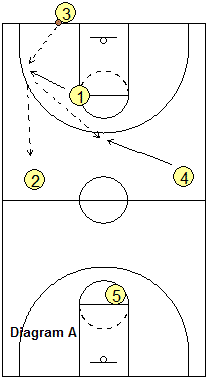
Image Source: cccdn-fe9e.kxcdn.com
Deciphering The Press: Know Your Enemy
Before you can effectively break a press, you need to know what you’re up against. Different types of presses require different approaches.
Types of Basketball Presses:
- Man-to-Man Full-Court Press: Each defender is assigned to guard a specific offensive player. The goal is to deny easy passes and force dribble errors.
- Zone Full-Court Press: Defenders cover specific areas of the court. They aim to trap the ball-handler in designated zones, forcing turnovers. Common zone presses include 1-2-2, 2-2-1, and 1-3-1 formations.
- Combination Presses: These combine elements of man-to-man and zone, often with a specific player or zone designed to trap, while others play man-to-man defense.
Attacking Full-Court Press: Core Principles for Success
Regardless of the press’s design, certain fundamental principles will guide your team to victory. Mastering these will create a solid foundation for all your basketball press break strategies.
Key Principles:
- Ball Security is Paramount: Protecting the basketball is your number one priority. Avoid careless dribbles and passes.
- Spacing and Movement: Don’t stand still! Players need to move to create passing lanes and get open. Spread out to use the full width of the court.
- Sharp, Crisp Passing: Flat, chest passes are generally best against a press. Avoid lobs or passes that hang in the air. Pass to where your teammate will be.
- Patience and Poise: Don’t panic. A press is designed to make you hurry. Stay calm, make good decisions, and the openings will appear.
- Attacking the Seams: Look for the gaps between defenders. These are your prime targets for passes and dribble penetration.
- Use the Entire Court: Don’t get trapped on one side. Utilize the full width and length of the basketball court.
Beating a Man-to-Man Press: Strategies for Individual Defense
When facing a man-to-man press, the focus shifts to individual matchups and exploiting one-on-one opportunities. Beating a man-to-man press relies on smart dribbling and timely passing.
Offensive Press Break Tactics:
The “5-Man” or “Star” Formation: This is a common and effective setup.
- One player receives the inbound pass, ideally a good ball-handler.
- Two players position themselves on the wings, about 10-15 feet from the inbounder, providing outlets.
- Two players position themselves deep, near the half-court line, stretching the defense.
- The inbounder looks for the closest outlet first. If that lane is closed, they look for the second outlet or can take a few dribbles to create a better passing angle.
The “Dragon” or “Scissors” Formation:
- Inbounder receives the pass.
- One player cuts towards the inbounder from the side.
- Another player cuts from the opposite side, often in a more diagonal direction.
- The goal is to use these cuts to free up a player for a pass.
Dribbling Through the Press:
- Protect the ball: Keep the ball on your strong side, away from the defender.
- Change pace: Use quick bursts of speed to beat your man.
- Use screens: Teammates can set screens on the defender to free up the ball-handler.
- Attacking the middle: If defenders are too focused on trapping the sidelines, dribbling up the middle can be effective.
Passing to Break a Press:
- Pass to the open man: Don’t force passes into double-teams.
- Skip passes: A long pass from one side of the court to the other can bypass multiple defenders.
- Bounce passes: Use these strategically when defenders are trying to intercept chest passes.
- Pass ahead: If you can beat your defender, look for a teammate ahead of you.
Breaking Zone Press in Basketball: Exploiting Gaps
When breaking zone press in basketball, the objective is to identify and attack the weak spots in the defensive structure. These presses often rely on trapping, so avoiding the traps is key.
Common Zone Press Formations and Counter-Strategies:
1-2-2 Zone Press:
- Formation: One player at the top, two on the wings, two at the back.
- Counter: The inbounder’s pass should go to the deepest player or one of the wing players. The player receiving the pass needs to immediately look to split the two high defenders if possible, or pass to the opposite wing. The deep players should flash towards the ball to create passing lanes. The key is to get the ball past the initial trap.
2-2-1 Zone Press:
- Formation: Two players at the top, two in the middle, one at the back.
- Counter: This press can be vulnerable to a direct pass to the middle player if they can establish good position. The inbounder might need to hold the ball slightly longer to allow this player to get open. Alternatively, a quick pass to a wing player can stretch the defense and create opportunities.
1-3-1 Zone Press:
- Formation: One player at the top, three in the middle (forming a triangle), one at the back.
- Counter: This press is designed to trap from all angles. The inbound pass should ideally go to the player at the back or one of the wing players in the middle. The player with the ball must be adept at dribbling through or passing around the traps. Attacking the corners created by the middle triangle is often a good strategy.
Offensive Press Break Tactics for Zone Presses:
The “Triangle” or “Box” Formation:
- Inbounder takes the pass.
- Two players position themselves on the sides, near the half-court line.
- One player positions themselves deep in the middle.
- This creates a passing triangle, allowing for quick ball movement to bypass traps.
Overload and Attack: If the zone is heavy on one side, try to overload that side with players and then quickly swing the ball to the weaker side.
Utilize the Trapper: Sometimes, the best way to beat a trap is to deliberately pass the ball to the player who is trying to trap. This forces them out of position and can create an advantage.
Press Break Plays Basketball: Executing for Success
Having specific press break plays basketball is crucial for consistent success. These plays provide structure and clear roles for each player.
Example Press Break Play: “The Swing and Go”
This play is effective against both man-to-man and zone presses.
- Inbounder: Receives the ball.
- Player 1 (Deep Center): Starts near the inbounder, then cuts sharply up the middle, angling towards the half-court line.
- Player 2 (Wing): Positions themselves on the inbounder’s strong side, about 10-15 feet away, ready to receive a pass.
- Player 3 (Deep Wing): Positions themselves on the opposite side of the court, deep towards the half-court line.
- Player 4 (Safety/Trailer): Stays behind the play, ready to receive a quick pass if the initial options are covered.
Execution:
* The inbounder looks for Player 2 first.
* If Player 2 is covered, the inbounder looks for Player 1 cutting up the middle. This pass should be crisp and low.
* If Player 1 receives the pass, they immediately look to “swing” the ball to Player 3 on the opposite wing.
* Player 4 can trail the play, providing an additional outlet if needed.
This play effectively uses movement and passing to stretch the defense and create passing lanes.
Transition Offense Against Press: Turning Defense into Offense
A well-executed press break can quickly turn into a dangerous transition offense against press. When the defense overcommits to trapping, there are often numbers advantages on the offensive side once the ball is advanced.
Strategies for Transition Offense:
- Push the Ball: Once you break the initial pressure, don’t slow down. Look to get the ball up the court quickly.
- “Fill the Lanes”: Offensive players should sprint to open lanes, creating passing opportunities for fast breaks.
- “Crash the Boards” (Offensively): If the defense is scrambling back, there might be opportunities for offensive rebounds.
- Decision Making: Communicate and make quick decisions. Who is attacking the basket? Who is spacing the floor?
Dribbling Through the Press: The Art of Ball Security
While passing is often preferred, dribbling through the press is a necessary skill. It allows you to exploit gaps and draw defenders.
Dribbling Techniques:
- Low and Controlled: Keep the dribble low to the ground to make it harder for defenders to steal.
- Change of Pace: Mix up your dribble speed. A sudden burst can beat a defender.
- Head Up: Always keep your head up to see the court and identify opportunities.
- Two-Hand Dribble (When Necessary): In extreme pressure situations, a controlled two-hand dribble can be used briefly to protect the ball.
- Protect with the Body: Use your body to shield the ball from defenders.
Passing to Break a Press: The Lifeline of the Offense
Passing to break a press is the most efficient way to advance the ball and create scoring opportunities.
Passing Tips:
- Pass to the “Open” Man: This means a player who is not being closely guarded or is in a position to advance the ball.
- Pass with Purpose: Every pass should have a clear objective.
- Avoid the “Pass Back”: Try to advance the ball forward whenever possible. A backward pass often invites pressure.
- Pass to the Hands: Aim your passes directly to your teammate’s hands for easy catches.
- Use the Backboard: In some situations, a bounce pass off the backboard can get around a defender.
Effective Press Defense Counter: Proactive Measures
Being prepared for a press is as important as executing the break itself. This involves proactive measures and having strategies in place before the game even begins.
Proactive Measures:
- Practice Press Breaks Regularly: Make them a consistent part of your practice routine.
- Scout Your Opponent: Identify their preferred press formations and tendencies.
- Develop a “Go-To” Press Break: Have one or two reliable plays that your team can execute consistently.
- Player Roles: Assign specific roles for each player during press breaks (inbounder, first outlet, second outlet, deep players).
- Communication: Emphasize clear and concise communication on the court.
Putting It All Together: Mastering the Press Break
Breaking a press is not just about one play; it’s about a systematic approach that combines individual skill, team execution, and strategic decision-making.
Key Takeaways:
- Preparation is Key: Practice your press break relentlessly.
- Stay Composed: Don’t let the pressure rattle you.
- Move Without the Ball: Create passing lanes through intelligent cuts and positioning.
- Communicate Effectively: Let your teammates know where you are and what you see.
- Be Aggressive (Smartly): Attack the open spaces, but avoid forcing plays that lead to turnovers.
By focusing on these principles and implementing effective strategies, your team can transform a potentially game-changing defensive tactic into a pathway for offensive success. Remember, a successful press break not only advances the ball but also demoralizes the opposing team and ignites your own offense.
Frequently Asked Questions (FAQ)
Q1: What is the best formation to use against a press?
A1: There isn’t one single “best” formation, as it depends on the type of press and your team’s personnel. However, formations like the “5-man” or “Star” formation, which involve players spreading out on the wings and deep, are very effective for creating passing lanes against both man-to-man and zone presses.
Q2: Should I dribble or pass when breaking a press?
A2: It’s a combination of both. Passing is usually more effective for quickly advancing the ball and avoiding traps. However, dribbling through the press is important for exploiting open lanes when they appear, drawing defenders, and creating passing opportunities. Keep your head up and make the best decision based on the situation.
Q3: How can I make my passes stronger when breaking a press?
A3: Passing to break a press requires crisp, accurate passes. Use chest passes primarily, as they are harder to intercept. Aim your passes to where your teammate will be, not where they are currently standing. Bounce passes can be effective against defenders trying to jump passing lanes, but ensure they are firm enough to reach your teammate.
Q4: What should my team do immediately after breaking the press?
A4: Once you break the press, transition into transition offense against press. Push the ball up the court quickly while maintaining offensive spacing. Look for fast-break opportunities. Don’t allow the defense to recover and set up their half-court defense.
Q5: How do I beat a 1-2-2 zone press specifically?
A5: To beat a 1-2-2 zone press, focus on stretching the defense. The inbounder should try to pass to one of the deep players or a wing player. The key is to get the ball past the initial two defenders at the top. Once the ball is past them, quickly swing it to the opposite side of the court to exploit the gaps.
Q6: What are some good press break plays basketball teams should practice?
A6: Teams should practice plays that involve quick ball movement, player movement to create passing lanes, and the ability to attack seams in the defense. Plays like the “Swing and Go,” “Dragon,” and various “Box” or “Triangle” formations are highly effective and provide good structure.
Q7: How can I be a better inbounder when a press is on?
A7: As an inbounder, be patient. Look for your primary outlet first. If that lane is closed, be prepared to make a quick secondary pass or even take a few dribbles to create a better angle. Know your players and where they are likely to be. Communicate with your teammates before the ball is inbounded.