
Can you build a basketball court in your backyard? Absolutely! Building a DIY basketball court is a rewarding project that can transform your outdoor space into a personal sports haven. This guide will walk you through every step of backyard court construction, from planning to the final shot. We’ll cover everything you need to know to create your own outdoor basketball court, whether you’re looking at a concrete basketball court, an asphalt basketball court, or even court resurfacing an existing area. Let’s get ready for some serious fun with expert basketball hoop installation.
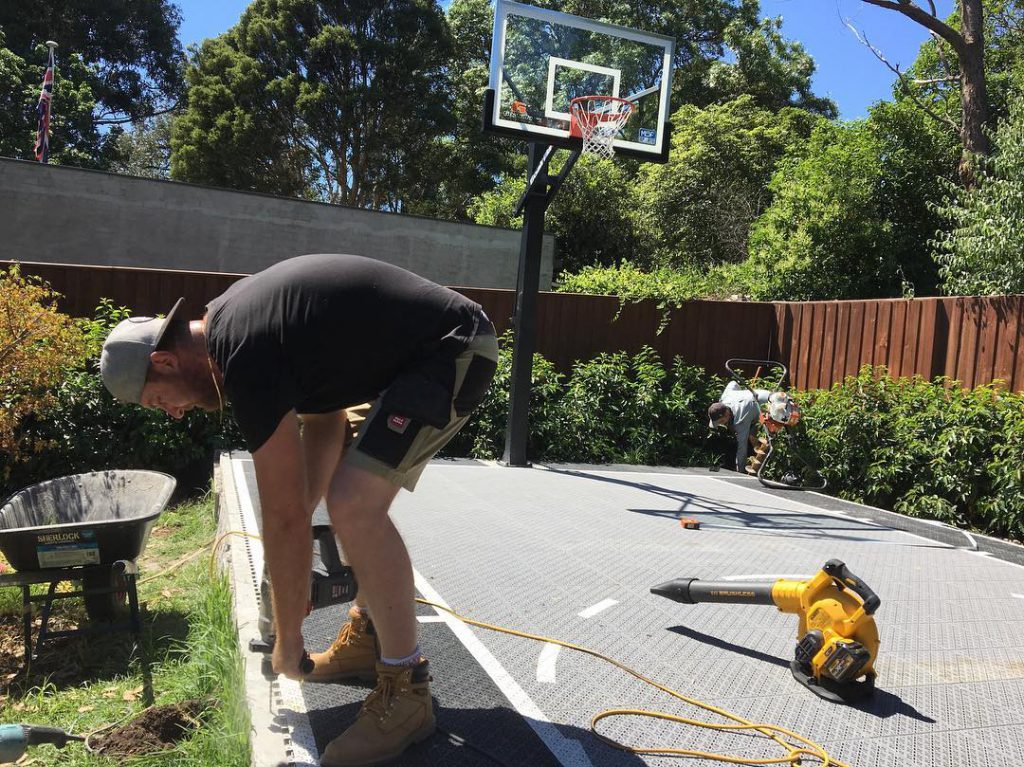
Image Source: static.msfsports.com.au
Planning Your Backyard Court
Before you break ground, careful planning is essential. This ensures your court is functional, safe, and meets your needs.
Choosing the Right Location
- Sunlight: Consider how the sun moves across your yard. A court that gets direct sun all day can be very hot in summer. Partial shade is ideal.
- Drainage: Water needs to run off your court. Avoid low-lying areas that collect water. A slight slope (1-2%) away from your house is beneficial.
- Obstacles: Look out for trees, bushes, fences, or overhead power lines. These can interfere with play or pose safety risks.
- Space: Ensure you have enough room for the court itself, plus a safety buffer around the edges. This is crucial for player safety.
- Accessibility: How will you access the court? Consider pathways and how you’ll get materials to the site.
Determining Court Dimensions
The size of your court depends on your available space and how you plan to use it.
Full-Size Court vs. Half-Court
A full-size NBA court is 94 feet long and 50 feet wide. Most residential backyards don’t have this much space.
- Full Court: Requires a significant amount of space, typically 100 feet by 60 feet (including run-off areas).
- Half Court: A popular choice for residential settings, usually around 47 feet by 50 feet. This allows for most game play.
- Custom Sizes: You can adapt the dimensions to fit your yard. Even a smaller practice area can be a lot of fun.
Key Court Lines
Standard basketball courts have specific markings:
- Free Throw Line: 15 feet from the backboard.
- Three-Point Line: Varies by league (NBA is 23 feet 9 inches at the top, FIBA is 22 feet 1.75 inches).
- Key/Lane: The rectangular area under the basket.
- Center Circle: Used for tip-offs.
You can simplify these for a DIY basketball court if space is limited. A few key lines can still make it feel like a real court.
Budgeting for Your Project
Building an outdoor basketball court can range from a few hundred dollars to many thousands, depending on the size, materials, and whether you hire professionals.
Typical Cost Breakdown:
| Item | Estimated Cost Range (Low to High) | Notes |
|---|---|---|
| Site Preparation | $100 – $1,000+ | Excavation, grading, weed barrier. |
| Base Material | $200 – $1,000+ | Gravel, crushed stone. |
| Surface Material | $1,000 – $10,000+ | Concrete, asphalt, sport court tiles. |
| Basketball Hoop | $200 – $3,000+ | In-ground, portable, wall-mount. |
| Line Paint/Kits | $50 – $200 | |
| Labor (if applicable) | $500 – $5,000+ | For professional installation of concrete/asphalt, hoop. |
| Miscellaneous | $50 – $300 | Tools, fasteners, etc. |
Choosing Your Court Surface Material
The surface is one of the most critical decisions for your backyard court construction. It affects durability, playability, and cost.
Concrete Basketball Court
Concrete is a popular choice for its durability and relatively smooth finish.
Pros:
- Durability: Lasts for decades with proper care.
- Smoothness: Provides a consistent bounce.
- Low Maintenance: Generally easy to clean.
- Can be colored: Offers aesthetic customization.
Cons:
- Cost: Can be expensive to install, especially for large areas.
- Hardness: Can be tough on players’ joints.
- Cracking: Susceptible to cracking due to ground movement or freeze-thaw cycles.
- DIY Difficulty: Requires specialized tools and skills for a proper finish.
Installation Considerations for a Concrete Basketball Court:
- Excavation: Remove topsoil and dig down to the required depth.
- Base Layer: Install a compacted layer of gravel or crushed stone for drainage and stability.
- Formwork: Build wooden forms to contain the wet concrete.
- Reinforcement: Use rebar or wire mesh to strengthen the concrete and prevent cracking.
- Pouring and Finishing: Pour the concrete, ensuring it’s level and has a slight slope for drainage. Trowel and broom finish for grip.
- Curing: Allow the concrete to cure properly for several days to weeks before use.
- Sealing: Apply a concrete sealer to protect against stains and weathering.
Asphalt Basketball Court
Asphalt is another durable option, often found in driveways and parking lots.
Pros:
- Durability: Very strong and resistant to extreme temperatures.
- Flexibility: Less prone to cracking than concrete from minor ground shifts.
- Cost: Can be less expensive than concrete for the same area.
- Faster Installation: Generally quicker to install than concrete.
Cons:
- Smoothness: Can be rougher than concrete, affecting bounce and grip.
- Requires Sealing: Needs regular sealing to maintain its integrity and prevent raveling.
- Heat Absorption: Can get very hot in direct sunlight.
- DIY Difficulty: Professional installation is highly recommended.
Installation Considerations for an Asphalt Basketball Court:
- Excavation and Base: Similar to concrete, requiring proper excavation and a compacted aggregate base.
- Asphalt Paving: Hot asphalt is laid and compacted by paving machines.
- Compaction: Crucial for density and durability.
- Curing: Asphalt needs time to cool and harden.
- Sealing: Apply an asphalt sealant or coating specifically designed for sports courts to improve playability and longevity.
Sport Court Materials (Modular Tiles)
These are interlocking plastic tiles that create a cushioned playing surface.
Pros:
- Comfort: Provides a cushioned surface, reducing joint impact.
- Drainage: The open design allows water to drain through quickly.
- Customization: Available in various colors and can be laid out in custom patterns.
- DIY Friendly: Easy to install without specialized skills.
- Relatively Quick: Can be installed in a weekend.
- Can be placed over existing surfaces: Great for court resurfacing projects.
Cons:
- Cost: Can be more expensive per square foot than basic concrete or asphalt.
- Durability: May not last as long as well-maintained concrete or asphalt, especially under heavy use.
- Ball Bounce: The bounce can be different and less predictable than a hard surface.
- Weed Growth: Weeds can sometimes grow through the gaps if not properly prepared.
Installation Considerations for Sport Court Materials:
- Base Preparation: The underlying surface needs to be firm, level, and well-drained. This could be compacted gravel, concrete, or even asphalt.
- Layout: Plan your layout and start connecting the tiles. Most systems have a simple interlocking mechanism.
- Cutting: You might need to cut tiles around obstacles or to fit specific dimensions.
- Hoop Installation: Mount your hoop directly to the sub-base or use specialized anchor systems for the tiles.
Driveway Basketball Court Options
If you have an existing driveway basketball court, you might consider different ways to adapt it:
- Cleaning and Sealing: A thorough cleaning and a fresh coat of sealer can revitalize an old asphalt or concrete driveway.
- Adding Lines: Marking out a court can be done with specialized driveway paint.
- Modular Tiles: Laying modular tiles over a clean, solid driveway surface can transform it into a cushioned basketball court. This is a fantastic option for court resurfacing without major construction.
Building the Base
A solid foundation is crucial for the longevity of your outdoor basketball court.
Excavation and Grading
- Depth: Dig down at least 6-8 inches for a concrete or asphalt court to accommodate the base material and the surface. For modular tiles, a firm, level surface is sufficient.
- Slope: Ensure a 1-2% slope for drainage. Use a transit level or a laser level to achieve this accurately. Mark your desired finished grade with stakes and string lines.
Base Material Installation
- Type: Use compacted gravel (crushed stone, like ¾-inch aggregate) for concrete and asphalt. For modular tiles, a compactible base is also good, but a clean, existing concrete or asphalt surface works well.
- Depth: A 4-6 inch layer of compacted gravel is standard for heavy-duty courts.
- Compaction: This is critical. Use a plate compactor or a hand tamper. Compact in layers of 2-3 inches for best results. A well-compacted base prevents settling and cracking.
Installing the Surface
This is where your backyard court construction really takes shape.
Concrete Installation
As mentioned, this is best left to professionals unless you have significant experience.
- Mixing: Concrete needs to be mixed to the correct consistency.
- Pouring: Work quickly and efficiently to spread the concrete evenly.
- Finishing: Troweling for smoothness, then a broom finish for traction.
- Expansion Joints: Cut control joints into the concrete to manage cracking.
Asphalt Installation
Again, professional installation is highly recommended.
- Heating and Laying: Hot asphalt is spread and leveled.
- Rolling: Heavy rollers compact the asphalt to create a dense, smooth surface.
Modular Tile Installation
This is the most DIY-friendly option.
- Lay Tiles: Start in a corner and work your way across the prepared base.
- Connect: Snap the tiles together firmly. Use a rubber mallet if needed.
- Edge Treatment: Many tile systems offer specialized edging pieces for a clean finish.
Basketball Hoop Installation
A good hoop is essential for any DIY basketball court. There are several types to consider.
Types of Basketball Hoops
- In-Ground Hoops: These are permanently anchored into the ground, offering the most stability.
- Direct Burial: The pole is buried directly in concrete.
- Anchor Bolt Systems: The pole attaches to an anchor kit set in concrete. This allows for easier removal or replacement.
- Portable Hoops: Have a base that can be filled with water or sand.
- Pros: Easy to move, no permanent installation.
- Cons: Less stable, can be tipped over, may not offer the same rebound as in-ground systems.
- Wall-Mount Hoops: Attach directly to a sturdy wall or garage.
- Pros: Space-saving, good for smaller areas.
- Cons: Requires a very strong wall, limited placement options.
Installation Steps (In-Ground Hoop – Anchor Bolt System)
- Choose Location: Position the hoop according to your court plan. Ensure it’s centered for a half-court, with adequate clearance.
- Dig the Hole: Dig a hole for the anchor kit. The size will depend on the hoop manufacturer’s instructions (typically 3-4 feet deep and 18-24 inches wide).
- Set the Anchor Kit: Place the anchor kit in the hole, ensuring it is perfectly level and plumb. Use stakes and braces to hold it in place.
- Pour Concrete: Mix and pour concrete into the hole around the anchor kit. Follow manufacturer’s recommendations for concrete volume.
- Level and Cure: Ensure the anchor kit remains perfectly level as the concrete cures. Allow adequate curing time (usually 3-7 days).
- Attach Hoop Pole: Once the concrete is cured, attach the hoop pole to the anchor kit.
- Assemble Backboard and Rim: Attach the backboard and rim to the pole according to the instructions.
- Adjust Height: Set the hoop to your desired height (10 feet is regulation, but adjustable for younger players).
Important Note: Always follow the specific installation instructions provided by the manufacturer of your basketball hoop.
Marking and Finishing Touches
Once the surface is ready and the hoop is up, it’s time for the final details.
Court Lines
- Materials: Use specialized line-marking paint designed for sports courts. You can buy kits or buy paint in cans.
- Method:
- String Lines: Use chalk lines and string lines to create crisp, straight lines.
- Rollers: Use a field liner or a small paint roller with an extension pole.
- Stencils: For specific markings like free-throw lines or circles.
- Paint: Apply thin, even coats. Two coats are often recommended for better durability.
Sealing and Maintenance
- Concrete: Apply a high-quality concrete sealer every 2-3 years to protect against stains, UV rays, and moisture.
- Asphalt: Re-seal asphalt every 1-2 years with a specialized asphalt court sealer.
- Modular Tiles: Keep the surface clean by sweeping or hosing it down. Check for any loose tiles periodically.
Safety Considerations
Safety should be paramount throughout the backyard court construction process and during play.
- Clearances: Ensure ample space around the court for player movement and to avoid hitting fences, walls, or obstacles.
- Surface Grip: The chosen surface and any applied coatings should provide good traction.
- Hoop Stability: Make sure your basketball hoop is securely installed.
- Netting: Consider safety netting if your court is close to a road or a neighbor’s property.
- Lighting: If you plan to play at night, install appropriate lighting to ensure good visibility.
Frequently Asked Questions (FAQ)
Q1: How much does it cost to build a backyard basketball court?
The cost varies greatly depending on size, materials, and whether you do it yourself or hire professionals. A small DIY basketball court with modular tiles and a portable hoop might cost $500-$2,000. A professional concrete basketball court installation can range from $5,000 to $20,000 or more for a full court.
Q2: Can I build a basketball court on grass?
No, you cannot build a basketball court directly on grass. Grass does not provide a stable, level surface for play and will not support the weight of a court structure or allow for proper ball bounce. You’ll need to excavate and install a proper base and surface.
Q3: What is the best surface for a backyard basketball court?
The “best” surface depends on your priorities.
* Concrete offers excellent durability and a consistent bounce but is hard and expensive.
* Asphalt is durable and slightly more flexible than concrete, but can get hot and requires regular sealing.
* Modular Sport Court Tiles are comfortable, drain well, and are easy to install, but can be more expensive and may offer a different ball bounce.
For most DIYers looking for a balance of cost, playability, and ease of installation, a well-prepared base with modular tiles is often a great choice. For a more professional feel and durability, concrete is preferred, but it’s a much larger undertaking.
Q4: How long does it take to build a backyard basketball court?
This depends heavily on the scale and complexity.
* A simple court with modular tiles and a portable hoop can be completed in a weekend.
* Installing a concrete or asphalt surface, especially if you’re doing the preparation yourself, can take several days to a week or more, not including curing time.
* Professional installation of concrete or asphalt is typically faster on the installation days, but scheduling and curing add to the overall timeline.
Q5: Do I need permits to build a backyard basketball court?
It’s essential to check with your local city or county building department. Depending on the size, depth of excavation, and type of surface (especially concrete or asphalt), you might need permits. It’s always better to be safe and inquire beforehand.
Q6: How do I maintain my outdoor basketball court?
- Sweep regularly to remove debris like leaves, dirt, and small stones.
- Wash the court periodically with a hose and mild detergent.
- Address cracks promptly by filling them with appropriate crack filler for your surface type.
- Re-seal concrete and asphalt surfaces as recommended by the manufacturer to protect them from the elements and wear.
- Check for weeds growing through cracks or around edges and remove them.
Building your own outdoor basketball court is a significant project, but with careful planning and execution, you can create a fantastic space for recreation and fitness right in your own backyard. Enjoy the process and the countless hours of fun that await!