
What is the best way to coach youth basketball? The best way to coach youth basketball is by focusing on fun, building fundamental skills, and creating a positive learning environment where young players can develop and grow. This guide will explore effective strategies, engaging drills, and essential coaching tips for successfully guiding your young basketball players.
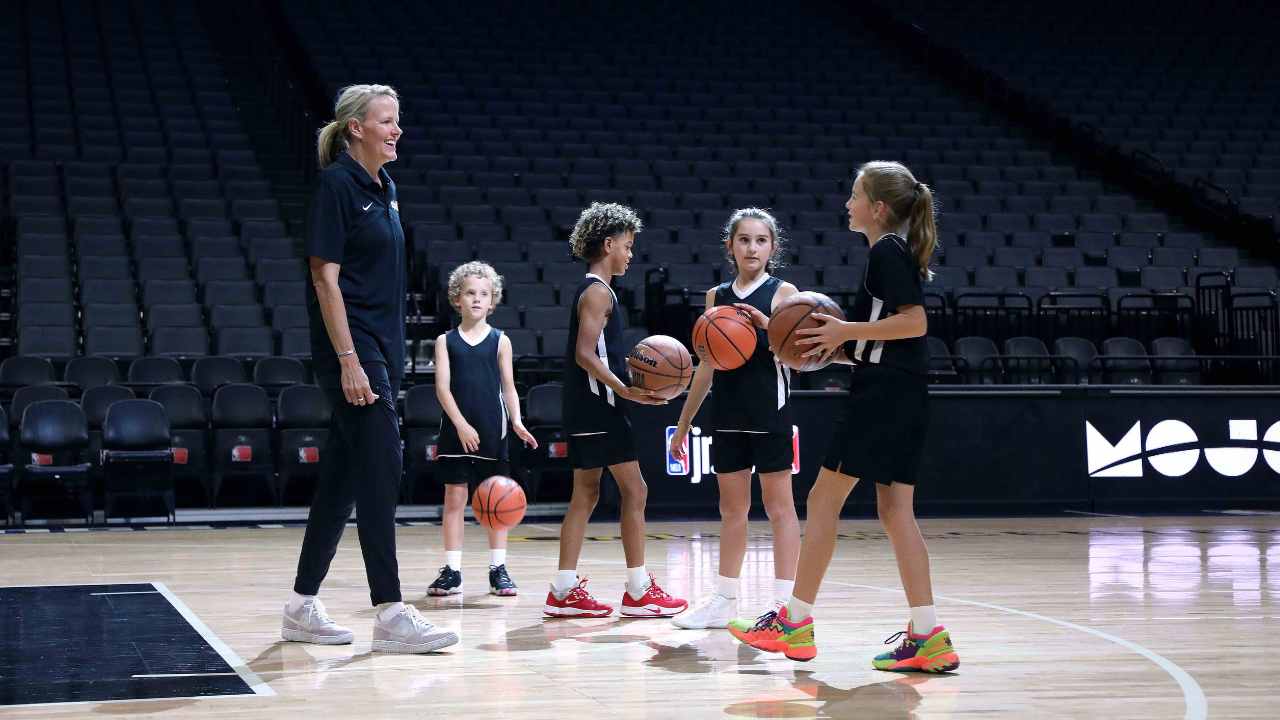
Image Source: www.mojo.sport
Building a Strong Foundation: Essential Basketball Fundamentals for Youth
When you’re starting with young players, the absolute most important thing is to teach basketball fundamentals youth. These are the building blocks of the game, and mastering them early will set players up for a lifetime of enjoyment and success on the court. We’re talking about the core skills that every great player, regardless of age or level, relies on.
Dribbling: The Ball Handler’s Best Friend
Dribbling isn’t just about moving the ball; it’s about controlling it, protecting it, and making it a part of you. For youth basketball training, dribbling drills should be engaging and progressively challenging.
Key Dribbling Techniques to Teach:
- Control: Emphasize using fingertips, not the palm, for better control.
- Head Up: Teach players to look up and scan the court, not stare at the ball.
- Low Dribble: Keeping the ball below the waist makes it harder for defenders to steal.
- Change of Pace/Direction: Introduce simple crossovers and hesitations.
Fun Dribbling Drills:
- “Red Light, Green Light” Dribbling: Players dribble freely when “Green Light” is called, and freeze with the ball protected when “Red Light” is called. This teaches control and quick stops.
- Cone Weaving: Set up cones in a line. Players dribble through them, practicing crossovers and changing hands.
- “Simon Says” Dribbling: Call out commands like “Simon says dribble with your right hand,” “Simon says dribble low,” or “Simon says crossover.”
Shooting: The Art of Scoring
Shooting is often the most exciting part of basketball. For basketball skills youth need to develop, proper shooting form is paramount. It’s about consistency and confidence.
The BEEF Method: A Simple Shooting Guide
- Balance: Feet shoulder-width apart, knees slightly bent.
- Eyes: Focus on the rim or the front of the rim.
- Elbow: Keep the shooting elbow tucked under the ball.
- Follow-Through: Snap the wrist and hold the follow-through like reaching into a cookie jar.
Shooting Drills for Kids:
- “Form Shooting” Close to the Basket: Players stand a few feet from the hoop and focus solely on their form. No jumping initially.
- “Around the World”: Players shoot from different spots on the court. If they make it, they move to the next spot. If they miss, they move to the next spot anyway, but the goal is to make it before moving. This adds a competitive element.
- “Magic Numbers”: Assign each player a number of shots (e.g., 5 or 10) they need to make from a certain spot before moving on.
Passing: The Language of Teamwork
Basketball is a team sport, and passing is how a team communicates and moves the ball effectively. Good passing leads to good youth basketball offense.
Essential Passing Types:
- Chest Pass: A direct pass from the chest to the receiver’s chest.
- Bounce Pass: Used to get around defenders, bouncing the ball about two-thirds of the way to the receiver.
- Overhead Pass: Used for longer passes or passes over defenders.
Passing Drills for Kids:
- Two-Ball Dribbling and Passing: Players dribble two balls, then practice stationary passing to a partner. This improves hand-eye coordination.
- Triangle Passing: Three players form a triangle and pass the ball around. They can incorporate movement, making it more dynamic.
- “Pass and Move”: Players pass to a teammate and then cut or move to an open spot for a return pass. This teaches good spacing and off-ball movement.
Defense: The Unsung Hero
Defense wins championships, and teaching strong youth basketball defense from the start is crucial. It’s about effort, positioning, and communication.
Core Defensive Principles:
- Stance: Athletic, balanced stance with knees bent, back straight, and arms out.
- Footwork: Shuffle feet, don’t cross them, to stay in front of the offensive player.
- On-Ball Defense: Staying between the ball and the basket.
- Off-Ball Defense: Seeing both your player and the ball.
Defensive Drills:
- “Slide Drill”: Players stay in a defensive stance and shuffle laterally across the court without crossing their feet.
- “Shell Drill”: Four offensive players outside and four defenders inside. Defenders practice help-side defense, closing out, and recovering.
- “Defensive Close-Outs”: Players practice sprinting to a spot, stopping with control, and getting into their defensive stance.
Coaching Youth Basketball: Tips for Success
Coaching youth basketball drills requires more than just knowing the X’s and O’s. It’s about being a mentor, motivator, and teacher. The best basketball coaching tips youth offer focus on development and enjoyment.
Creating a Positive Environment
- Encouragement Over Criticism: Focus on what players are doing right and offer constructive suggestions for improvement.
- Fun First: Keep drills lively and engaging. Use games and competition to make practice enjoyable.
- Positive Reinforcement: Praise effort and good sportsmanship, not just successful plays.
Age-Appropriate Coaching
- Simplify Instructions: Break down complex concepts into smaller, manageable steps.
- Keep it Moving: Short attention spans mean practices need to be dynamic and engaging.
- Focus on Effort: For younger players, emphasize trying hard and having fun above perfect execution.
Teaching Sportsmanship
- Respect for Opponents, Officials, and Teammates: Teach players to win with grace and lose with dignity.
- Teamwork: Highlight the importance of supporting each other and playing unselfishly.
- Positive Language: Encourage players to lift each other up.
Developing Young Basketball Players: A Progressive Approach
Developing young basketball players is a journey, not a race. It’s about consistent growth and building confidence at each stage.
Skill Progression: From Simple to Complex
Start with the most basic youth basketball drills and gradually introduce more complex variations as players improve.
Sample Skill Progression: Dribbling
- Stationary Dribbling: Fingertip control, head up, alternating hands.
- Dribbling with Movement: Walking, then jogging, then running while dribbling.
- Dribbling with Changes: Crossovers, between-the-legs, behind-the-back.
- Dribbling with Pressure: Dribbling against a passive defender.
Game-Based Drills
Integrate game-like scenarios into your drills to help players understand how skills apply in a real game.
Examples of Game-Based Drills:
- “3-on-2 Transition”: One team attacks with three players against two defenders, focusing on fast breaks and crisp passing. This is great for youth basketball offense.
- “Beat the Dribbler”: One player tries to dribble the length of the court past a defender. This focuses on ball protection and evasion.
Youth Basketball Offense: Principles and Plays
Youth basketball offense should be simple, effective, and allow players to utilize their developing skills. The focus is on creating scoring opportunities through good spacing, movement, and passing.
Key Offensive Concepts:
- Spacing: Players spread out on the court to create passing lanes and driving opportunities.
- Movement Off the Ball: Players who don’t have the ball should be moving to get open.
- Passing: Quick, crisp passes are essential to move the ball and break down defenses.
- Cutting: Players cutting towards the basket when open.
Simple Offensive Sets for Youth:
- “Give and Go”: A player passes to a teammate, then cuts to the basket to receive a return pass.
- “V-Cut”: A player makes a sharp cut away from the defender, then pivots back towards the passer to receive the ball.
- “Screening”: Players learn to set screens for teammates to free them up for shots or drives.
Table: Basic Offensive Plays
| Play Name | Description | Key Skills Involved |
|---|---|---|
| Give and Go | Pass to a teammate, cut to the basket, receive a return pass and shoot or pass. | Passing, Cutting, Finishing |
| V-Cut | Move away from the ball, then cut back towards the passer to get open. | Cutting, Agility, Receiving |
| Down Screen | Player stands stationary to set a screen for a teammate cutting towards the basket. | Screening, Spacing, Communication, Cutting |
Youth Basketball Defense: Fundamentals and Strategies
Strong youth basketball defense is built on effort, positioning, and communication. Teaching these principles early helps players become well-rounded athletes.
Defensive Principles:
- On-Ball Pressure: The defender guarding the player with the ball should stay between the ball and the basket.
- Help-Side Defense: Defenders not guarding the ball should position themselves to help a teammate if they get beaten. They should be able to see both their player and the ball.
- Communication: Defenders should talk to each other, calling out screens, cutters, and switches.
- Rebounding: Securing the ball after a missed shot is a crucial defensive action.
Defensive Drills for Developing Young Players:
- “Close Out and Recover”: Players practice sprinting to a shooter, controlling their momentum, and then sliding back into a defensive stance.
- “2-on-1 Defense”: Two defenders try to stop one offensive player with the ball. This teaches how to defend drives and passes.
- “Full Court Pressure Defense (Man-to-Man)”: Players are assigned to guard a specific opponent and must stay with them all over the court.
Table: Defensive Principles
| Principle | Description | Focus for Youth Players |
|---|---|---|
| On-Ball Defense | Stay between the ball and the basket. | Keeping dribbler away from the hoop. |
| Help-Side Defense | Position yourself to assist teammates, seeing both your player and the ball. | Staying in the “lane” to help if someone gets past a teammate. |
| Communication | Talking to teammates about screens, cutters, and who you are guarding. | Calling out “Screen!” or “Help!” |
| Rebounding | Boxing out opponents to get the ball after a missed shot. | Finding an offensive player and blocking them out. |
Making Practice Fun and Effective
Youth basketball training should be a blend of structured learning and enjoyable activities.
Drills that are Fun and Skill-Building:
- “Knockout”: Players line up and shoot. If a player misses their shot, the next player in line can knock them out with their own shot. If you get knocked out, you do push-ups. This makes shooting practice competitive.
- “Sharks and Minnows”: Players start on one baseline. One designated player (“shark”) stands in the middle. The others (“minnows”) try to dribble across the court to the other baseline without getting tagged by the shark. If tagged, they become sharks. This is a great basketball drills for kids that works on dribbling and evasion.
- “Musical Hoops”: Similar to musical chairs, but with basketballs. Players dribble around while music plays. When the music stops, players must quickly find an open hoop and make a shot.
Structuring a Practice Session:
A typical practice might look like this:
- Warm-up (5-10 minutes): Light jogging, dynamic stretching (arm circles, leg swings).
- Ball Handling Drills (10-15 minutes): Focus on dribbling basics, dribbling games.
- Skill Development (15-20 minutes): Shooting, passing, or defensive drills based on the week’s focus.
- Team Concepts (10-15 minutes): Simple offensive plays or defensive positioning.
- Scrimmage/Game Situation (10-15 minutes): Apply learned skills in a controlled game.
- Cool-down & Recap (5 minutes): Static stretching, positive reinforcement, and a quick review of what was learned.
Frequently Asked Questions (FAQ)
Q1: How do I keep young players engaged during drills?
A: Use a variety of drills, incorporate music or friendly competition, keep instructions clear and concise, and provide constant positive feedback and encouragement. Make it feel like play, not work.
Q2: What is the most important skill for young basketball players to learn?
A: While all basketball fundamentals youth are important, developing solid dribbling skills and good shooting form are often considered foundational for offensive success. However, good defensive habits and teamwork are equally critical.
Q3: How much playing time should I give each player?
A: For youth leagues, it’s generally recommended to ensure all players get a fair amount of playing time. Focus on development over winning, so try to balance playing time, especially in the early stages of a player’s development.
Q4: How can I manage a team with players of different skill levels?
A: Differentiate drills to challenge advanced players while supporting those who are still learning. Pair players of different skill levels in drills to foster peer teaching. Focus on individual improvement and create a supportive team atmosphere where everyone feels valued.
Q5: What is the best way to teach youth basketball defense?
A: Start with the basic stance and footwork. Then, introduce the concept of staying between the ball and the basket. Use drills like the “slide drill” and “close-out drills” to build muscle memory and confidence. Emphasize effort and communication.
By focusing on fun, fundamentals, and positive reinforcement, you can effectively coach youth basketball and help develop young basketball players into confident, skilled, and enthusiastic participants in the sport. The goal is to foster a love for the game that will last a lifetime.