
Can you get into basketball without prior experience? Absolutely! Anyone can start playing basketball, regardless of age or skill level. This guide is your roadmap to stepping onto the court and discovering the joy of the game. We’ll cover everything from the absolute basics to finding ways to play, making your journey into basketball fun and rewarding.
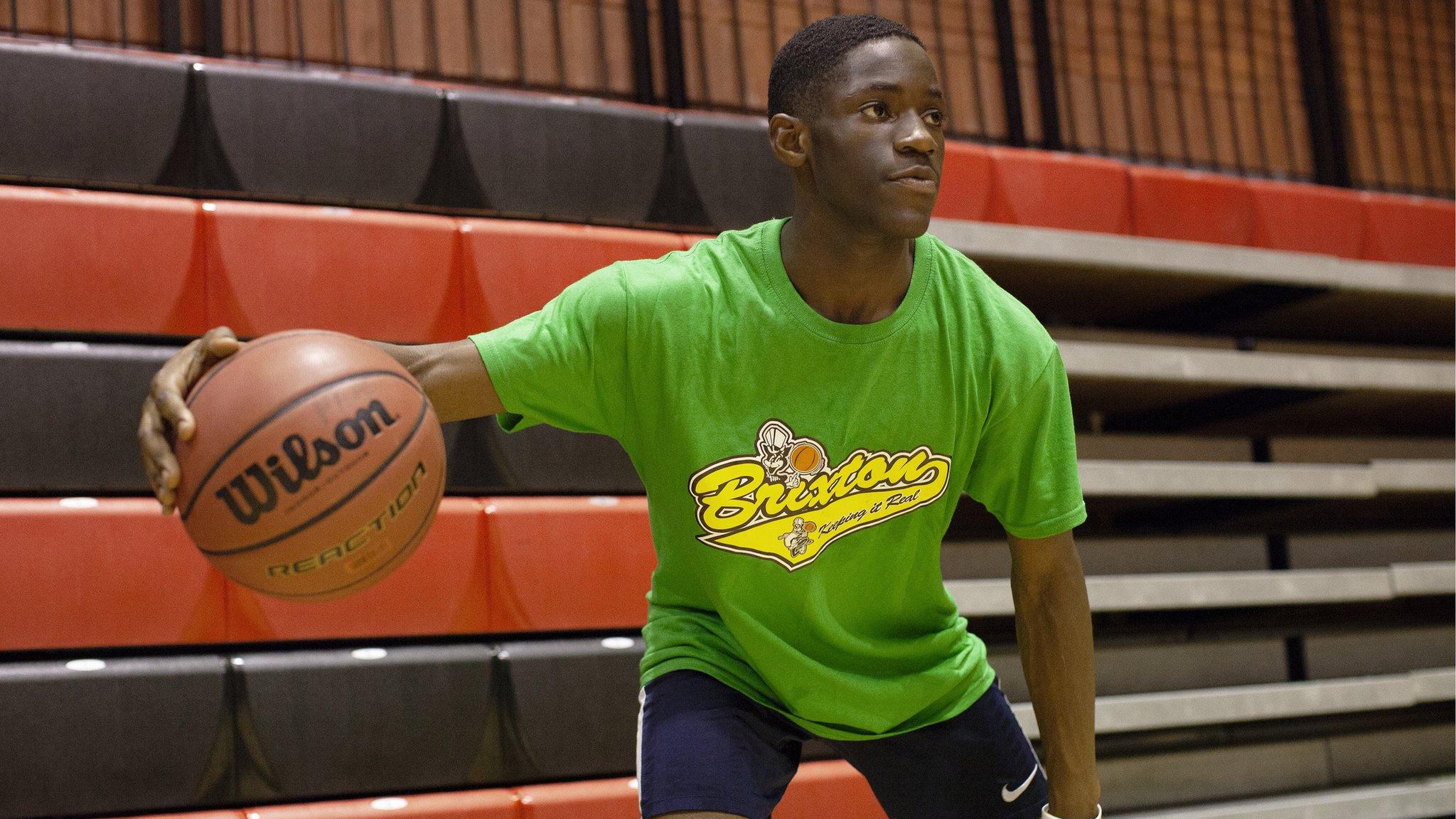
Image Source: ichef.bbci.co.uk
Laying the Foundation: Essential Basketball Fundamentals
Before you dribble or shoot, it’s crucial to grasp the core basketball fundamentals. These are the building blocks for everything else you’ll do on the court. Mastering these basics will set you up for success and enjoyment.
Dribbling: The Ball’s Best Friend
Dribbling is how you move with the ball. It’s not just about bouncing it; it’s about control.
The Right Way to Dribble
- Use your fingertips: Don’t slap the ball with your palm. Press down with your fingertips for better control.
- Keep your head up: Look where you’re going, not at the ball. This is key for seeing your teammates and the court.
- Low and controlled: A lower dribble is harder to steal. Keep the ball close to the ground.
- Strong hand, weak hand: Practice dribbling with both hands equally. This makes you a more versatile player.
Dribbling Drills to Practice
- Stationary Dribbling: Stand in one spot and dribble with your right hand, then your left. Try high dribbles, low dribbles, and crossovers.
- Cone Drills: Set up cones and dribble around them. Practice crossovers, between-the-legs, and behind-the-back moves as you get more comfortable.
- Full Court Dribbling: Dribble the length of the court, focusing on maintaining control and keeping your head up.
Shooting: Finding Your Touch
Shooting is how you score points. It takes practice and proper technique.
The Art of the Shot
- BEEF: This acronym helps remember the key elements:
- Balance: Stand with feet shoulder-width apart, knees slightly bent.
- Eyes: Focus on the rim or your target.
- Elbow: Keep your shooting elbow tucked in, forming an “L” shape.
- Follow-through: Extend your arm fully, flicking your wrist towards the basket.
- Grip: Hold the ball with your shooting hand under it and your guide hand on the side for support, not force.
- Arc: Aim for a nice arc on your shot. Too flat, and it might hit the front rim; too high, and it might go over.
Shooting Drills for Improvement
- Form Shooting: Stand close to the basket and focus only on your shooting form. Make 5-10 shots before taking a step back.
- Spot Shooting: Pick spots on the court (e.g., baseline, wing, top of the key) and shoot a certain number of shots from each spot.
- Free Throws: Practice free throws regularly. They are uncontested shots that can add up.
Passing: Connecting with Teammates
Basketball is a team sport. Good passing makes the team better.
Effective Passing Techniques
- Chest Pass: A two-handed pass from the chest to the chest of your teammate. It’s direct and accurate.
- Bounce Pass: Similar to a chest pass, but you bounce the ball halfway between you and your teammate. Use this to pass around defenders.
- Overhead Pass: A two-handed pass from above your head. Good for longer distances or passing over shorter defenders.
- Accuracy and Timing: Aim for your teammate’s hands. Pass when they are ready to receive it.
Passing Drills to Build Chemistry
- Wall Passing: Stand facing a wall and pass the ball against it, practicing different types of passes.
- Two-Person Passing: Stand a few feet apart and pass back and forth, focusing on good form and catching.
- Moving Passes: Have one person stand still and the other move while passing. This simulates game action.
Defense: Stopping the Other Team
Playing defense is just as important as offense. It involves stopping your opponent from scoring.
Defensive Stance and Movement
- Athletic Stance: Feet shoulder-width apart, knees bent, back straight, arms out. This ready position allows for quick movements.
- Slide Your Feet: Don’t cross your feet when guarding someone. Slide them to stay in front of your opponent.
- Stay Between Your Man and the Basket: This is the golden rule of defense.
Defensive Drills
- Defensive Slides: Slide sideways along a line, keeping your chest up and knees bent.
- Closeout Drills: Practice closing the distance to a shooter without fouling, controlling the ball and forcing a pass or shot.
- Mirror Drills: One player dribbles, and the other defender tries to mirror their movements without the ball.
Developing Your Game: Basketball Drills and Training
Once you’ve got a handle on the basics, it’s time to focus on basketball drills and basketball training to elevate your basketball skills. Consistency is key here.
Dribbling Mastery Drills
- Figure-Eight Dribbling: Dribble the ball in a figure-eight pattern around your legs.
- Two-Ball Dribbling: Dribble two balls simultaneously. This greatly improves hand-eye coordination and control. Start with both balls bouncing at the same time, then progress to alternating bounces.
- Hesitation Dribble: Practice changing your pace and direction suddenly to fake out defenders.
Shooting Improvement Drills
- Around the World: Start at one spot near the basket, make a shot, and move to the next designated spot. Continue around the court.
- Catch and Shoot: Have a partner pass you the ball, and you shoot immediately after catching it. Focus on transitioning smoothly from receiving the pass to shooting.
- Shooting Off the Dribble: Dribble towards the basket, then pull up for a jump shot or drive.
Passing Drills for Precision
- Full Court Passing: Pair up and pass the ball back and forth while jogging or running the length of the court.
- Skip Passes: Practice passing across the court to a teammate on the opposite wing, often requiring a longer, more accurate pass.
- Passing Under Pressure: Have a defender lightly pressure you while you make passes.
Defensive Drills for Toughness
- Lane Slides: Start under the basket and slide to the other side of the lane, then back.
- Rebounding Drills: Practice jumping and grabbing the ball with two hands. Box out imaginary opponents before going for the rebound.
- Shell Drill: A defensive drill involving four offensive players and four defensive players. Defenders work on communication and positioning.
Building Your Physique: Basketball Conditioning
To play well, you need to be in good shape. Basketball conditioning is crucial for endurance, speed, and strength.
Cardiovascular Endurance
Basketball involves a lot of running, jumping, and quick movements.
- Running: Interval training (sprints followed by rest) is excellent for simulating game play. Longer, steady runs build a strong aerobic base.
- Suicides/Line Drills: Sprint to various lines on the court and back. This mimics the stop-and-start nature of basketball.
Strength and Power
Stronger muscles help with jumping higher, driving to the basket, and holding your ground on defense.
- Lower Body: Squats, lunges, and calf raises build leg strength for jumping and quick movements.
- Upper Body: Push-ups, pull-ups, and core exercises help with shooting power, passing, and overall stability.
- Core Strength: Planks, crunches, and Russian twists are vital for balance and transferring power.
Agility and Quickness
Being able to change direction quickly is a hallmark of a good basketball player.
- Ladder Drills: Footwork drills using an agility ladder improve quick feet and coordination.
- Cone Drills: Zigzag runs and change-of-direction drills enhance agility.
Navigating the Game: Basketball Rules and Positions
To play effectively and enjoy the game, knowing the basketball rules and basic basketball positions is essential.
Key Basketball Rules to Know
- Traveling: You cannot take too many steps without dribbling the ball.
- Double Dribble: You cannot dribble with two hands at once or dribble, stop, and then dribble again.
- Fouls: Illegal physical contact. Common fouls include blocking, charging, and pushing. Too many fouls can lead to disqualification.
- Out of Bounds: If the ball or the player with the ball touches the boundary line, it’s out of bounds. The other team gets possession.
- Shot Clock: In most organized leagues, there’s a time limit (usually 24 seconds) to attempt a shot after gaining possession.
- Three Seconds Rule: An offensive player cannot stay in the restricted area (the paint) for more than three consecutive seconds.
- Game Duration: Games are divided into quarters or halves, with a running clock that stops under certain circumstances (like fouls or timeouts).
Understanding Basketball Positions
While players can be versatile, there are traditional positions:
| Position Name | Primary Role | Typical Player Attributes |
|---|---|---|
| Point Guard (PG) | Ball handler, playmaker, orchestrator of the offense. Often the shortest player. | Excellent dribbling and passing skills, court vision, leadership, quickness, good shooter. |
| Shooting Guard (SG) | Primary scorer, good outside shooter. | Strong shooting ability (especially three-pointers), agility, ability to drive to the basket. |
| Small Forward (SF) | Versatile player, can score inside and out, good rebounder. | All-around offensive and defensive skills, good shooter, strong passer, decent rebounder. |
| Power Forward (PF) | Plays close to the basket, strong rebounder, good inside scorer. | Physical strength, good rebounder, post-up scoring ability, can shoot from mid-range. |
| Center (C) | Plays near the basket, strong rebounder, defender, inside scorer. | Tallest player, strong rebounder, shot-blocker, physical presence, interior scoring ability. |
When starting, don’t worry too much about specific positions. Focus on developing a well-rounded skill set. As you play more, you’ll naturally find yourself gravitating towards certain roles.
Putting It All Together: Basketball Practice and Tips
Consistent basketball practice is where your skills develop. Combine your fundamental training with smart approaches.
Effective Practice Strategies
- Set Goals: What do you want to improve in this session? Focus on one or two skills at a time.
- Drill Variety: Don’t just do the same drills every time. Mix them up to keep your practice engaging and challenging.
- Game-Like Situations: Try to simulate game conditions as much as possible. Practice shooting after a defensive slide, or passing while moving.
- Conditioning Integration: Incorporate conditioning into your practice. Sprint to the next drill location, do push-ups after missed shots.
Practical Basketball Tips for Beginners
- Watch and Learn: Watch professional games, college games, or even local games. Pay attention to how players move, dribble, and shoot.
- Find a Buddy: Practicing with a friend makes it more fun and allows for passing and defensive drills.
- Join a Pickup Game: Once you’re comfortable with the basics, look for casual pickup games at local parks or gyms. This is a great way to learn by playing.
- Be Patient: Improvement takes time. Don’t get discouraged if you don’t see results immediately.
- Stay Positive: Enjoy the process! Basketball is a game meant to be fun. Celebrate small victories.
- Listen to Your Body: Rest is as important as practice. Avoid overtraining to prevent injuries.
- Develop Court Vision: Always be aware of where your teammates and opponents are. This helps in making better decisions.
- Communicate: Talk to your teammates on the court. Call out screens, let them know you’re open, or warn them about a back-door cut.
Finding Opportunities to Play: Basketball Leagues and More
So, you’ve practiced the fundamentals, worked on your conditioning, and are ready to play in a more structured environment. Where can you find basketball leagues and other ways to play?
Organized Basketball Leagues
- Youth Leagues: If you’re young, there are numerous leagues organized by schools, community centers, and sports organizations.
- Adult Recreational Leagues: Many cities have adult recreational leagues for various skill levels, from beginner to advanced. These are often found through city parks and recreation departments or local sports associations.
- School Teams: If you’re in middle or high school, try out for your school’s basketball team.
- Club Teams: These are often more competitive and require tryouts. They travel to tournaments and offer more intense training.
Casual Basketball Play
- Pickup Games: Head to your local park or community center court. Many places have informal “pickup” games where players just show up and form teams on the spot. This is a fantastic way to get real game experience without the pressure of organized leagues.
- Open Gym: Some gyms offer “open gym” times where individuals can come and play freely.
- Gym Classes/Workshops: Look for introductory basketball classes or workshops offered by community centers or sports facilities. These are designed for beginners.
Online Resources and Apps
- Drill Videos: YouTube is an excellent resource for countless basketball drills and skill demonstrations.
- Training Apps: Many apps offer guided workouts, skill development plans, and even virtual coaching.
- Local Sports Directories: Websites and apps that list local sports facilities and leagues can help you find playing opportunities in your area.
Frequently Asked Questions (FAQ)
Q1: How long does it take to get good at basketball?
A: “Good” is subjective and depends on your goals and dedication. With consistent basketball practice and focused basketball training, you can see significant improvement in basketball skills within a few months. Becoming truly proficient might take years of dedicated effort.
Q2: Do I need special shoes to play basketball?
A: While you don’t need them to start, basketball shoes are highly recommended. They provide ankle support, cushioning for jumping, and traction on the court, which helps prevent injuries and improves performance.
Q3: What if I’m not athletic? Can I still play basketball?
A: Absolutely! Basketball is a sport that values more than just raw athleticism. Good basketball fundamentals, court vision, smart decision-making, and teamwork can compensate for a lack of natural athleticism. Many players who aren’t naturally gifted become excellent players through hard work and dedication to practice.
Q4: How often should I practice basketball?
A: Aim for consistency. Even 30-60 minutes of focused practice a few times a week can make a big difference. If you can dedicate more time, that’s even better. The quality of your practice is more important than the quantity.
Q5: What’s the first thing I should focus on when starting?
A: Start with the absolute basics: dribbling with both hands (keeping your head up!), proper shooting form, and understanding the basic basketball rules like traveling and double dribble.
Getting into basketball is a journey. Embrace the learning process, enjoy the camaraderie of playing with others, and don’t be afraid to make mistakes. The court is your playground, and the ball is waiting for you. So grab a ball, find a hoop, and start playing!