
So, how do you play 21 basketball? It’s a popular half-court game where players shoot from different spots on the court, with each made basket earning points. The first player to reach 21 points wins. This guide will break down 21 basketball rules, how to play 21, and everything else you need to know to master this fun and competitive 21 basketball game.
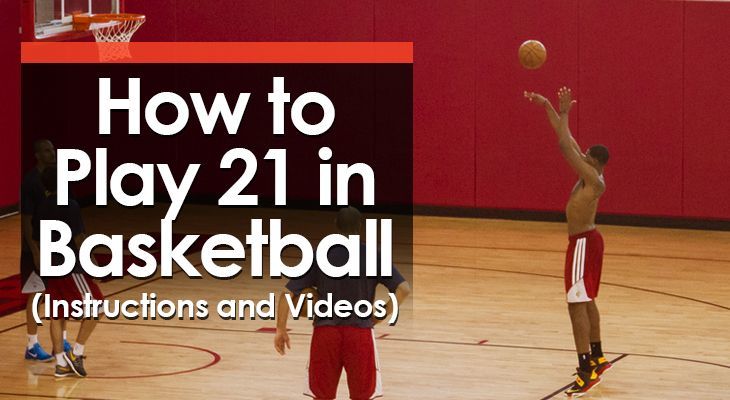
Image Source: www.basketballforcoaches.com
The Basics of 21 Basketball
21 basketball is a fantastic way to improve your shooting and develop quick decision-making skills. It’s perfect for backyard basketball 21 sessions or as a structured 21 basketball practice drills routine. It’s also a great game for 21 basketball for kids because it’s easy to learn and keeps everyone engaged.
Core Gameplay Explained
The game typically involves 1-3 players on one half of the court. Players take turns shooting from designated spots. The scoring is straightforward: most shots are worth one point, but some variations allow for two-point shots from further out. Missed shots usually result in a rebound, and the player who gets the rebound gets to shoot again.
What You Need to Play
- A basketball: Standard size and weight is best.
- A basketball hoop and court: Any half-court will do.
- Players: Can be played solo, one-on-one, or with a small group.
Deciphering the 21 Basketball Rules
The 21 basketball rules can vary slightly from group to group, but the core principles remain the same. Here’s a breakdown of the most common rules:
Scoring System
- Standard Shots: Most shots made from within the three-point line are worth 1 point.
- Two-Point Shots (Optional): Some versions of 21 basketball scoring allow shots made from beyond the three-point line to be worth 2 points. This adds a strategic layer to the game.
- Fouls: If you are fouled and make the shot, you typically get the point and retain possession. If you are fouled and miss the shot, you might get a “free throw” which could be worth 1 or 2 points depending on the agreed-upon rules. Often, in casual games, fouls are ignored, and play continues.
- Possession: The player who scores retains possession. If a shot is missed, the ball is live for anyone to rebound.
Gameplay Mechanics
- Starting the Game: Players typically play “rock, paper, scissors” or flip a coin to determine who starts with possession.
- Taking Shots: Players take turns shooting from designated spots around the court. A common setup includes spots near the basket, along the baseline, and at the wings.
- Rebounding: If a player misses a shot, the ball is live. Any player can try to rebound the ball. The player who secures the rebound gets to take the next shot, regardless of whose turn it was. This keeps the game dynamic and prevents players from just standing still.
- Winning: The first player to reach exactly 21 points wins. If a player goes over 21, they “bust” and their score resets to a predetermined number (often 10 or 11 points). This adds a significant challenge and requires players to manage their scoring carefully.
Important Rules to Agree On Before Playing
Before you start your 21 basketball game, it’s crucial to agree on these specific 21 basketball rules:
- Are two-point shots allowed? If so, from where?
- What happens if you bust (go over 21)? Do you reset to zero, to 10, or to some other score?
- How are fouls handled? Are they called, or is it a no-foul game?
- What are the designated shooting spots?
- What constitutes a “made” basket? (e.g., do layups count the same as jump shots?)
Fathoming the Strategy of 21 Basketball
While 21 basketball might seem like a simple shooting contest, there’s a surprising amount of 21 basketball strategy involved. Smart players know how to leverage the rules to their advantage.
Offensive Strategies
- Shot Selection: Don’t just shoot from anywhere. Focus on spots where you are most confident. If two-point shots are allowed, identify those opportunities strategically.
- Pacing: Don’t rush your shots. Take your time to line them up. However, be aware of the potential to “bust” if you’re nearing 21.
- Using the Rebound: If you miss, fight for the rebound. Getting your own rebound is a great way to maintain possession and get another scoring opportunity without a defensive challenge.
Defensive Strategies (for games with multiple players)
- Box Out: If you’re playing with more than one opponent, effectively boxing out is crucial. Prevent your opponents from getting easy rebounds that lead to quick points.
- Pressure: While 21 basketball is primarily about shooting, applying some defensive pressure on rebounds can disrupt your opponent.
- Knowing Opponent’s Score: Pay attention to how close your opponents are to 21. If someone is at 19 or 20, you need to be extra diligent about not giving them an easy opportunity.
Managing the Bust Rule
The bust rule is perhaps the most critical strategic element.
- Play Conservatively Near 21: As you approach 21, avoid taking low-percentage shots. Focus on making a single, sure shot to reach 21.
- Calculated Risks: If you’re at 19 points and a two-point shot is available, that might be a calculated risk worth taking to win the game. However, if you’re at 20 and miss a two-point shot, you’ll bust back to 10.
- Offensive Awareness: If you’re at 19, and your opponent is at 20, you might need to take a risk to prevent them from winning on their next shot, even if it means risking a bust yourself.
Mastering the Scoring in 21 Basketball
21 basketball scoring is the heart of the game. The simple point system makes it easy to track progress, but the nuances of the bust rule add a layer of complexity that can turn a good shooter into a strategic winner.
Point Allocation
- 1 Point: Standard from anywhere inside the arc.
- 2 Points: Often from beyond the three-point line. Discuss this before starting.
The Bust Rule in Detail
Let’s say the target score is 21.
- Scenario 1: Player A has 19 points. They shoot a 1-point shot and make it. Their score becomes 20.
- Scenario 2: Player A has 20 points. They shoot a 1-point shot and make it. Their score becomes 21, and they win.
- Scenario 3: Player A has 20 points. They shoot a 2-point shot (if allowed) and make it. Their score becomes 22. Since this is over 21, they “bust.” Their score resets to 10 points. They must then work their way back up from 10.
- Scenario 4: Player A has 19 points. They shoot a 2-point shot (if allowed) and make it. Their score becomes 21, and they win.
- Scenario 5: Player A has 19 points. They shoot a 2-point shot (if allowed) and miss. They rebound and shoot again.
This scoring system forces players to be mindful of their total score and the potential consequences of taking certain shots.
Exploring 21 Basketball Variations
While the core game remains the same, there are several 21 basketball variations that can spice things up and cater to different player preferences or skill levels.
Popular Variations
- Knockout: This is a common variation where players line up, and the first player shoots from a designated spot. If they make it, they move to the back of the line. If they miss, the next player in line gets a chance to “knock them out” by making their shot. If the next player makes their shot, the first player is out of the game. This continues until only one player remains.
- Team 21: Played with two teams. Team members take turns shooting, and the team’s score accumulates. The first team to reach 21 points wins.
- Partner 21: Two players team up against another pair or against the clock. Partners alternate shots, and the goal is to reach 21 together.
- Timed 21: Instead of the first to 21, players have a set amount of time (e.g., 5 minutes) to score as many points as possible. The player with the highest score at the end wins.
- Score-Based Rebounds: Some 21 basketball rules state that you can only rebound your own shot. If you miss, you have to get the rebound yourself and shoot again. If someone else rebounds, it’s their ball now.
Adapting for Different Skill Levels
- For Beginners/Kids: Use a lower hoop, a lighter ball, or allow two-point shots from closer distances. Reduce the target score to 11 or 15. Focus on positive reinforcement.
- For Advanced Players: Increase the target score, enforce strict rules on shooting spots, or add more challenging shooting locations. Enforce the bust rule rigorously.
Practicing with 21 Basketball Drills
21 basketball practice drills are invaluable for improving shooting accuracy, ball-handling, and court awareness. 21 is more than just a game; it’s a training tool.
Shooting Drills within the Game
- Spot Shooting: Designate specific spots on the court (e.g., baseline, wing, top of the key, corner). Take 5-10 shots from each spot. Track your makes and misses. This helps identify your strengths and weaknesses.
- Consecutive Makes: Challenge yourself to make a certain number of shots in a row from a single spot before moving to the next. This builds focus and consistency.
- Jump Shot Routine: Focus on your jump shot form. Use the 21 game structure to get many repetitions.
- Layup and Close-Range Shooting: Dedicate a portion of your 21 practice to shots around the basket.
Game-Specific Drills
- Rebound and Shoot: Practice grabbing a rebound and quickly going back up for a shot. This simulates game conditions where you might get your own miss.
- Defensive Positioning (if playing with others): If you’re playing with friends, work on boxing out and positioning yourself for rebounds.
- Bust Management Practice: Intentionally play situations where you are close to 21 and practice making conservative, high-percentage shots to avoid busting.
21 Basketball Explained: A Comprehensive Look
21 basketball explained simply is a shooting game that’s great for one-on-one or small groups. The primary objective is to be the first to reach a target score, usually 21 points. The nuances of how points are scored, the consequences of missing shots, and the “bust” rule add strategic depth and make it a highly engaging activity. It’s a game that rewards consistent shooting and smart decision-making.
Why Play 21?
- Improves Shooting: Provides countless shooting repetitions.
- Develops Court Awareness: You need to be aware of your score, your opponents’ scores, and rebound opportunities.
- Enhances Conditioning: Constantly moving to get rebounds keeps you active.
- Fun and Competitive: It’s an accessible and enjoyable way to compete.
- Adaptable: Can be modified for any age or skill level.
Frequently Asked Questions (FAQ)
Q1: What are the most common 21 basketball rules?
A1: The most common rules involve shooting from different spots, scoring 1 point per basket (sometimes 2 for shots beyond the arc), retaining possession after scoring, and the bust rule where going over 21 points resets your score to a lower number.
Q2: Can you play 21 basketball alone?
A2: Yes, you can absolutely play 21 basketball alone. In this case, you’re essentially competing against yourself and the bust rule. You shoot, rebound your own misses, and aim to reach 21 without busting.
Q3: What happens if I go over 21 in 21 basketball?
A3: This is known as “busting.” Typically, your score resets to a lower number, commonly 10 or 11 points. You then have to start scoring again from that reduced total to reach 21.
Q4: Are two-point shots allowed in 21 basketball?
A4: This is one of the most common variations. Many groups agree that shots made from beyond the three-point line are worth 2 points. It’s essential to agree on this rule before you start playing.
Q5: How do you decide who goes first?
A5: Usually, players decide who starts by playing “rock, paper, scissors,” flipping a coin, or having a shooting contest to see who earns initial possession.
Q6: What is the primary goal of 21 basketball?
A6: The primary goal is to be the first player to reach exactly 21 points.
Q7: Is 21 basketball good for practice?
A7: Yes, 21 basketball practice drills are excellent for improving shooting consistency, ball-handling, and court awareness. The game provides a fun and competitive way to get many repetitions.
Q8: Can kids play 21 basketball?
A8: Yes, 21 basketball for kids is a fantastic option. You can adapt the rules, such as using a lower hoop, a lighter ball, or a lower target score (like 11 points), to make it more manageable and enjoyable for younger players.
By following this guide, you’re well on your way to mastering the game of 21 basketball, whether you’re playing in your backyard basketball 21 setup or using it as a structured practice. Enjoy the game!