
Basketball players wipe the bottom of their shoes to improve shoe grip and traction. This action helps prevent slips and enhances their ability to move quickly and explosively on the court, ultimately providing a significant performance boost.
Basketball courts, while appearing clean, are often covered in a fine layer of court dust, sweat, and other debris. This buildup can significantly reduce the friction between a player’s basketball shoes and the floor surface. Think of it like trying to walk on a dusty floor – your feet slide more easily. For a sport like basketball, where quick cuts, sudden stops, and explosive jumps are crucial, this loss of grip is a major disadvantage. That’s precisely why players have a consistent player technique of wiping their soles.
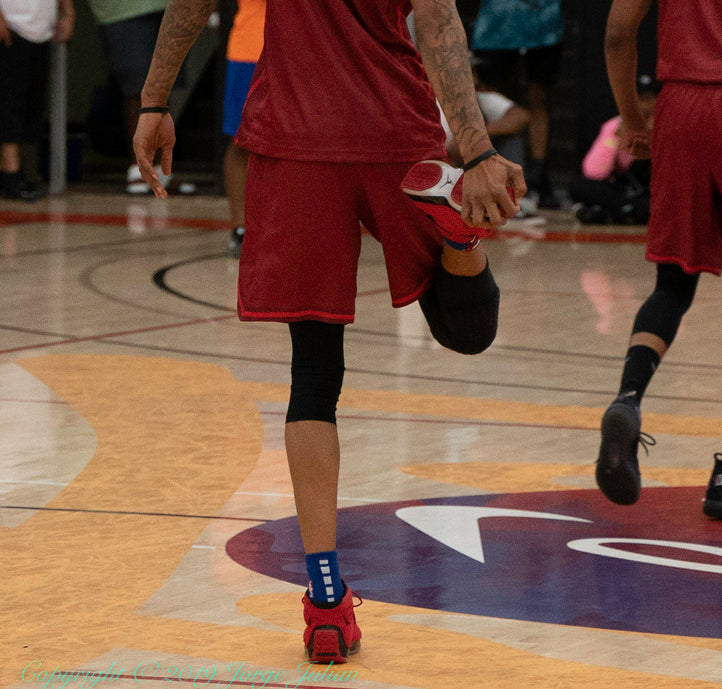
Image Source: gripspritz.com
The Science Behind the Swipe: Enhancing Traction
The primary reason for this seemingly simple act is to maintain optimal shoe grip. Basketball shoes are designed with specific tread patterns and rubber compounds to maximize friction. However, this grip is compromised when the soles become coated with even a thin layer of foreign particles.
How Court Dust Affects Grip
- Court Dust: The most common culprit is the fine dust that accumulates on indoor courts. This dust, often a mix of gym floor finish, skin cells, and general airborne particles, acts as a lubricant between the shoe and the floor.
- Sweat: Players sweat, and this moisture can also contribute to a slippery sole, especially when mixed with dust.
- Lotion/Body Oils: Sometimes, lotions or body oils from players can transfer to the court and then onto the soles of shoes.
When these contaminants get lodged in the grooves of the shoe’s sole, they create a barrier that prevents the rubber from making direct contact with the court. This significantly reduces the friction, making it harder to change direction or accelerate.
The Importance of Traction in Basketball
Traction is the backbone of a basketball player’s movement. It’s what allows them to:
- Accelerate Quickly: Generate force to move forward from a standstill.
- Stop on a Dime: Halt their momentum effectively without sliding.
- Cut Sharply: Change direction rapidly, a fundamental skill for offense and defense.
- Jump High: Push off the floor with maximum power for rebounds and shots.
- Maintain Balance: Stay upright and in control during complex movements.
Without proper traction, players are susceptible to losing their footing, leading to turnovers, missed shots, or, worse, injuries like ankle sprains.
The “Squeaky Shoes” Phenomenon: A Sign of Good Grip
You know that satisfying, loud squeak you hear when a basketball player makes a sharp turn? That’s the sound of their basketball shoes gripping the floor. This sound is often referred to as squeaky shoes, and it’s a positive indicator.
- The Squeak Mechanism: The squeak happens when the rubber sole of the shoe creates high friction against the court surface. The rapid movement and pressure cause the air trapped between the shoe and the floor to be expelled quickly, creating the audible sound.
- Interpreting the Squeak: A consistent squeak suggests that the shoe is making good contact with the floor, implying excellent shoe grip. When the squeaking diminishes, it’s a cue that the soles might be dirty and losing their ability to grip. This is often when players will reach for their towels or the court wipes.
Player Technique: The Art of the Swipe
Wiping the bottom of the shoes isn’t just a random habit; it’s a refined player technique developed over years of playing. Players typically use a small towel or a specialized mat strategically placed near their bench or on the sidelines.
When Do Players Wipe?
Players will often wipe their shoes during:
- Brief Stoppages: Quick breaks in play, like after a free throw or when the ball goes out of bounds.
- Timeouts: A more extended opportunity to clean both soles thoroughly.
- Substitutions: When coming off the court or just before checking back in.
- End of Quarters/Halftime: A chance for a more complete cleaning.
The Physical Act of Wiping
The act itself is usually quick and efficient. Players might:
- Kneel Down: To get a better angle and apply more pressure.
- Use a Towel: Rubbing the towel vigorously across the entire sole, paying attention to the edges and grooves.
- Step on a Mat: Some players prefer to step on a specially designed sticky mat, which helps lift debris from the soles.
The Goal: Instant Performance Boost
Each swipe is aimed at achieving an immediate performance boost. By removing the slick coating, players instantly regain the traction they need for the next play. This proactive approach is vital in a sport where momentum can shift in seconds.
The Impact on Footwear: Sticky Shoes and Beyond
The desire for optimal shoe grip influences how basketball shoes are designed and how players interact with them. The concept of “sticky shoes” is the ultimate goal.
What Makes Shoes “Sticky”?
- Rubber Compound: The quality and composition of the rubber used in the sole are paramount. Higher-quality rubber compounds generally offer better grip.
- Tread Pattern: The design of the sole’s grooves and patterns is engineered to maximize surface area contact and channel away debris.
- Cleanliness: As discussed, a clean sole is essential for the rubber to make direct contact with the floor surface.
Beyond Wiping: Other Methods
While wiping is the most common method, some players also employ other techniques:
- Specialized Mats: Many players and teams use adhesive mats that pick up dirt and dust from the soles as players step on them.
- Grip Enhancers (Less Common): In some informal settings, players might use spray-on grip enhancers, but these are generally not permitted in official games due to concerns about damaging court surfaces.
The focus remains on maintaining the natural shoe grip provided by the shoe’s design, rather than altering it with external chemicals.
Variations in Floor Surface and Shoe Grip
The effectiveness of shoe wiping can also depend on the floor surface itself. Different types of gym floors have varying levels of inherent slipperiness.
Common Court Surfaces:
- Hardwood (Most Common): Typically made of maple, hardwood floors offer a good balance of responsiveness and grip. However, they are prone to dust accumulation.
- Synthetic Surfaces: Some modern arenas use synthetic materials that may offer different grip characteristics and require different maintenance.
How Surface Affects Cleaning Needs
- Newer Finishes: Floors with newer finishes might initially offer more grip but can still accumulate dust.
- Older Finishes: Floors with older or worn finishes might be inherently less grippy, making the need for clean soles even more critical.
The constant interaction between the shoe, the player’s actions, and the floor surface necessitates the consistent cleaning of shoe soles to ensure safety and peak performance.
Preventing Slips and Ensuring Safety
Ultimately, the most critical reason behind this player technique is preventing slips. A slip can lead to:
- Loss of Possession: An unforced turnover that gives the ball to the opponent.
- Missed Scoring Opportunities: A player might slip while driving to the basket or shooting.
- Defensive Lapses: A defender might slip while guarding an opponent, allowing an easy score.
- Injuries: This is the most serious consequence. Slips can lead to sprains, strains, or more severe injuries, potentially sidelining a player for extended periods.
By diligently wiping their soles, players are actively mitigating these risks. They are investing a few seconds to ensure they can perform at their best and stay healthy. It’s a small habit with a significant impact on both individual performance and team success.
Frequently Asked Questions (FAQ)
Q1: Why do basketball players always wipe the bottom of their shoes?
A1: Basketball players wipe the bottom of their shoes to remove dust, sweat, and debris that can accumulate on the soles. This cleaning action significantly improves their shoe grip and traction on the court, which is essential for quick movements, sharp cuts, and preventing slips, ultimately leading to a performance boost.
Q2: What is “court dust”?
A2: “Court dust” refers to the fine particles that settle on basketball courts. It’s a mixture of floor polish, gym floor finish, skin cells, lint, and other airborne debris. This dust acts as a lubricant, reducing the friction between a player’s shoes and the court surface.
Q3: What does it mean when shoes are “squeaky shoes”?
A3: “Squeaky shoes” is a term used to describe the sound made when a basketball player’s shoe sole generates significant friction against the court floor. This squeak is a positive sign, indicating good traction and shoe grip. When the squeaking stops, it often means the soles are dirty and need cleaning.
Q4: Can I use the same technique to improve my shoes’ grip on other surfaces?
A4: While wiping your shoes to remove dirt can help with grip on many surfaces, the specific materials and designs of basketball shoes are optimized for indoor courts. The effectiveness might vary on different surfaces, and some cleaning agents used for basketball shoes might not be suitable for other types of footwear or flooring.
Q5: How often should basketball players wipe their shoes?
A5: Players typically wipe their shoes frequently, often during any brief stoppage in play, timeouts, or when they notice a decrease in their shoe grip. It’s a continuous process to maintain optimal traction throughout the game.
Q6: Are there any special products players use to make their shoes “sticky”?
A6: In official games, players primarily rely on cleaning their existing basketball shoes with towels or specialized mats to maintain their natural grip. While some grip-enhancing sprays exist, they are generally not permitted in competitive play as they can alter the court’s floor surface or damage the shoes. The goal is to maximize the inherent grip of the shoe design.
Q7: Does the type of floor surface affect how often players need to wipe their shoes?
A7: Yes, the floor surface can influence cleaning frequency. Courts with more dust or certain finishes might require more frequent wiping to maintain shoe grip. Different materials and finishes on courts can have varying levels of inherent slipperiness, making consistent shoe cleaning a crucial player technique regardless.
Q8: Is wiping the bottom of shoes only about preventing slips?
A8: While preventing slips is a primary concern, wiping the soles also contributes to overall performance. Enhanced shoe grip allows players to move more efficiently, accelerate faster, jump higher, and change direction more effectively, all of which contribute to a better performance boost during the game.