
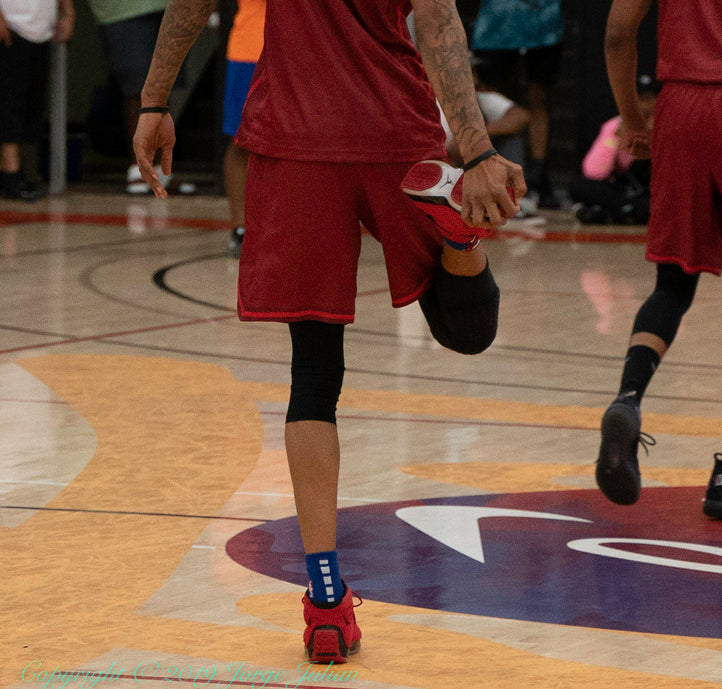
Image Source: gripspritz.com
Why Do Basketball Players Wipe Their Shoes? The Real Reason
Basketball players wipe their shoes to ensure optimal grip and prevent slipping on the court. This simple action is crucial for maintaining traction, which directly impacts their ability to accelerate, change direction, and execute plays effectively.
The Science of Shoe Wiping: More Than Just a Habit
Ever watched a basketball game and noticed players repeatedly stopping to wipe the bottom of their shoes? It might seem like a minor detail, a quirky habit, or even a way to stall for time. However, this act is far more than just a ritual. It’s a critical component of a player’s performance, directly influencing their ability to move with speed and agility. The primary culprit behind this action is the buildup of residue and moisture on the sole of their basketball shoes. Let’s dive into why this is so important.
What Accumulates on Basketball Shoes?
The basketball court, particularly indoor wooden courts, is a pristine environment designed for maximum athletic performance. However, the constant movement of players, combined with various external factors, can lead to the accumulation of several substances on the soles of their shoes:
- Dust and Debris: Even the cleanest courts can accumulate microscopic dust particles, lint, and small debris from the air and the players’ movements.
- Sweat: Players generate a significant amount of sweat, which can seep through socks and onto the shoe’s interior. While the exterior is the main focus of wiping, internal moisture can contribute to overall slipperiness.
- Floor Finish: Basketball courts are coated with a specific finish that provides a balance of traction and glide. Over time, this finish can wear down or become slightly sticky, especially when combined with other elements.
- Foreign Substances: Occasionally, small amounts of water, spilled drinks (though rare in professional settings), or other sticky substances can find their way onto the court, creating hazardous spots.
The Critical Role of Grip and Traction
In basketball, grip and traction are paramount. Imagine trying to make a quick cut to the basket, or explosively jump for a rebound, with shoes that aren’t firmly planted on the ground. The consequences can be severe:
- Slipping: The most obvious danger is slipping. A lost footing can lead to fumbles, missed shots, turnovers, and even serious injuries like ankle sprains or knee ligament tears.
- Reduced Agility: Without proper traction, players cannot execute sharp turns, quick stops, or rapid accelerations effectively. This limits their ability to evade defenders, create space for shots, or effectively drive to the hoop.
- Loss of Power: Every push-off, jump, and sprint relies on the ability of the shoes to grip the court. If the grip is compromised, the transfer of power from the player’s body to the ground is diminished, impacting their explosiveness.
- Inconsistent Performance: A player who is constantly worried about their footing will not be able to focus fully on the game. This can lead to hesitation, poor decision-making, and an overall decline in their performance.
How Shoe Wiping Restores Traction
When players wipe their shoes, they are primarily removing the buildup of dust, sweat, and other microscopic residue that has accumulated on the sole. This removal process essentially “cleans” the surface of the shoe, allowing the rubber of the sole to make direct contact with the court surface.
Here’s a breakdown of how it works:
- Removing Dust and Debris: These particles act as tiny ball bearings between the shoe and the court, significantly reducing friction and therefore grip. Wiping them away restores the direct contact needed for traction.
- Dealing with Moisture: While sweat is a primary concern, any moisture can create a slippery barrier. Wiping helps to remove surface moisture that might be coating the sole.
- Re-engaging the Grip: The tacky nature of the rubber on basketball shoes is designed to adhere to the court finish. When this tackiness is obscured by residue, the grip is compromised. Wiping the shoes re-exposes the sticky surface of the sole.
The “Squeak” Factor: A Sign of Good Traction
You know that distinct squeak sound basketball shoes make on the court? That sound is actually a good indicator of proper traction. It’s the sound of the rubber sole creating friction against the wooden floor. When you hear that loud, satisfying squeak, it means your shoes have excellent grip. If the sound becomes dull or absent, it’s a clear sign that the grip is compromised, and it’s time to wipe. Many players associate the absence of the squeak with a loss of traction, prompting them to perform their shoe-cleaning routine.
When and How Often Do Players Wipe Their Shoes?
The frequency of shoe wiping varies from player to player and depends on several factors:
- Player Preference: Some players are more particular about their grip than others.
- Game Situation: During intense moments of the game, especially after a quick sprint or a sharp cut, a player might feel a slight loss of traction and instinctively wipe their shoes.
- Court Conditions: If the court seems particularly dusty or if there’s noticeable moisture, players will wipe their shoes more frequently.
- Offensive vs. Defensive Plays: Players might wipe their shoes more often when they are actively involved in offense, needing to make quick movements and changes of direction.
The wiping itself is usually a quick motion, using a hand or a towel to rub the bottom of the shoe. It’s a fluid motion that often happens seamlessly as the player moves down the court or during a brief pause in play.
Beyond the Wipe: Other Shoe Maintenance Practices
While wiping the soles is the most visible form of shoe maintenance, players and teams also engage in other practices to ensure optimal footwear performance:
- Regular Cleaning: Shoes are regularly cleaned to remove dirt and grime that can affect the grip over time. This includes cleaning the upper material and the sole.
- Proper Storage: Keeping shoes in a dry, ventilated place helps prevent moisture buildup inside the shoe, which can also contribute to reduced traction and odor.
- Shoe Rotation: Players often have multiple pairs of basketball shoes and rotate them. This allows shoes to air out completely between games and practices, and also helps prolong the life of the sole’s grip.
- Specialized Cleaning Products: For deep cleaning, specialized shoe cleaners might be used to remove stubborn residue without damaging the shoe materials.
The Impact on Performance: A Quantifiable Difference
The difference in performance between a player with optimal traction and one whose grip is compromised can be significant.
| Skill Area | Impact of Good Traction | Impact of Poor Traction |
|---|---|---|
| Acceleration | Explosive bursts of speed from a standstill. | Slow starts, inability to gain momentum quickly. |
| Agility | Quick changes of direction, sharp cuts, evasive moves. | Hesitation, inability to change direction effectively. |
| Jumping | Powerful push-off, higher vertical leaps. | Reduced power in jumps, less height on vertical leaps. |
| Defense | Ability to stay in front of an offensive player. | Difficulty staying with offensive players, open driving lanes. |
| Shooting | Balanced stance, consistent follow-through. | Unstable shooting platforms, inconsistent shot mechanics. |
| Ball Handling | Maintaining control during dribbling and passing. | Fumbles, lost balls due to insecure footing. |
Common Misconceptions About Shoe Wiping
Let’s address some of the myths surrounding why players wipe their shoes:
- Myth 1: It’s just to make the shoes squeak. While the squeak is a byproduct of good grip, players aren’t wiping their shoes solely to hear the sound. The sound is an indicator, not the primary goal.
- Myth 2: It’s a superstition. While some players might have personal rituals, the act of wiping shoes is rooted in practical necessity for maintaining traction.
- Myth 3: It’s to remove sweat from the inside of the shoe. While internal moisture from sweat is an issue, external wiping is about the sole’s contact with the court. Internal moisture management is a separate concern addressed by socks and shoe breathability.
- Myth 4: Any wipe will do. While a quick swipe with a hand is common, using a towel or a designated cleaning cloth can be more effective at removing residue and moisture.
The Technology Behind Basketball Shoe Soles
Basketball shoes are engineered with specialized rubber compounds and tread patterns to maximize grip on indoor court surfaces. These designs are crucial for providing the necessary traction for the demanding movements of the game.
- Rubber Compounds: Different rubber formulations offer varying levels of tackiness and durability. Manufacturers experiment with these compounds to achieve the optimal balance for grip and longevity.
- Tread Patterns: The patterns on the sole of basketball shoes are designed to create numerous contact points with the court. These patterns help to channel away dust and debris, and provide multidirectional traction for cutting and pivoting.
- Herringbone Patterns: A common and highly effective tread pattern, herringbone offers excellent multidirectional grip, allowing players to change direction with confidence.
- Data-Driven Design: Companies like Nike, Adidas, and Under Armour use extensive biomechanical research and player feedback to refine their shoe designs, ensuring they meet the specific needs of basketball players.
Maintaining Your Own Court Grip
You don’t have to be a professional athlete to benefit from understanding why basketball players wipe their shoes. If you play basketball, or even other sports that require quick movements on indoor courts (like volleyball or badminton), keeping your shoes clean is essential.
Here are some tips for maintaining good grip:
- Wipe your shoes before and during play. A quick swipe on a clean part of the sideline or with a towel can make a big difference.
- Avoid walking on dirty surfaces with your basketball shoes. Keep them for the court only.
- Clean your shoes regularly. Use a damp cloth to wipe down the soles and remove any embedded dirt.
- Ensure your socks are clean and dry. This helps manage moisture from sweat.
- Be aware of court conditions. If the court feels slippery, even after wiping your shoes, it might be due to general moisture or residue on the court itself.
The Economic and Performance Ramifications
The importance of traction extends beyond individual player performance. For teams and organizations, compromised grip can have tangible consequences:
- Increased Injury Risk: Injuries lead to players missing games and practices, impacting team chemistry and overall success. The cost of player injuries, both in terms of medical expenses and lost playing time, can be substantial.
- Reduced Winning Potential: A team that cannot effectively execute fundamental movements due to poor traction will struggle to compete. Every missed opportunity to drive, jump, or defend contributes to a lower chance of winning.
- Equipment Investment: High-quality basketball shoes are an investment for players and teams. Maintaining them properly ensures that the technology designed to enhance grip and performance remains effective.
Frequently Asked Questions
- What is the main reason basketball players wipe their shoes?
The primary reason is to maintain optimal grip and traction on the court by removing dust, debris, sweat, and other residue that can cause slipping. - Does wiping shoes make them squeak more?
Yes, a clean sole that makes good contact with the court will produce the characteristic squeak, which is a sign of good traction. Wiping helps restore this condition. - Can I use water to clean my basketball shoes?
A slightly damp cloth can be used for cleaning the soles, but avoid soaking the shoes, as excessive moisture can damage the materials and affect the adhesive. Always allow shoes to air dry completely. - How often should I wipe my basketball shoes?
It’s a good idea to wipe your shoes before playing, and then periodically during play, especially if you feel a loss of traction or notice a dulling of the squeak. - What kind of residue builds up on basketball shoes?
The most common residue includes dust, lint, sweat, skin cells, and sometimes particles from the court‘s finish or accidental spills. - Does wiping shoes help prevent injuries?
Indirectly, yes. By ensuring proper traction and preventing slipping, wiping shoes helps reduce the risk of falls and the injuries that can result from them. - Are there specific towels players use for wiping shoes?
While many players use their hands, some prefer a small, absorbent towel dedicated to cleaning their shoes. The goal is to efficiently remove moisture and residue. - What happens if a player doesn’t wipe their shoes?
They risk losing traction, leading to slipping, reduced agility, less explosive movements, and an increased chance of injury, all of which negatively impact their performance.
Conclusion
The simple act of wiping basketball shoes is a testament to the intricate relationship between equipment and athletic performance. It’s a proactive measure taken by players to ensure they have the best possible grip and traction on the court. By diligently removing residue and moisture, players can maintain their agility, explosiveness, and most importantly, stay safe, allowing them to focus on the game and deliver their best performance. The next time you see a player wipe their shoes, you’ll know it’s not just a quirk, but a crucial step in harnessing the power of their footwear.