
The answer to “how long is basketball practice?” varies significantly by age group, skill level, and league rules, but generally ranges from 1 hour for young children to 3-4 hours for college and professional teams. This blog post will delve into the typical basketball practice duration across different levels, explore factors influencing how long should basketball practice be, and provide a comparison with soccer practice duration to offer broader context.
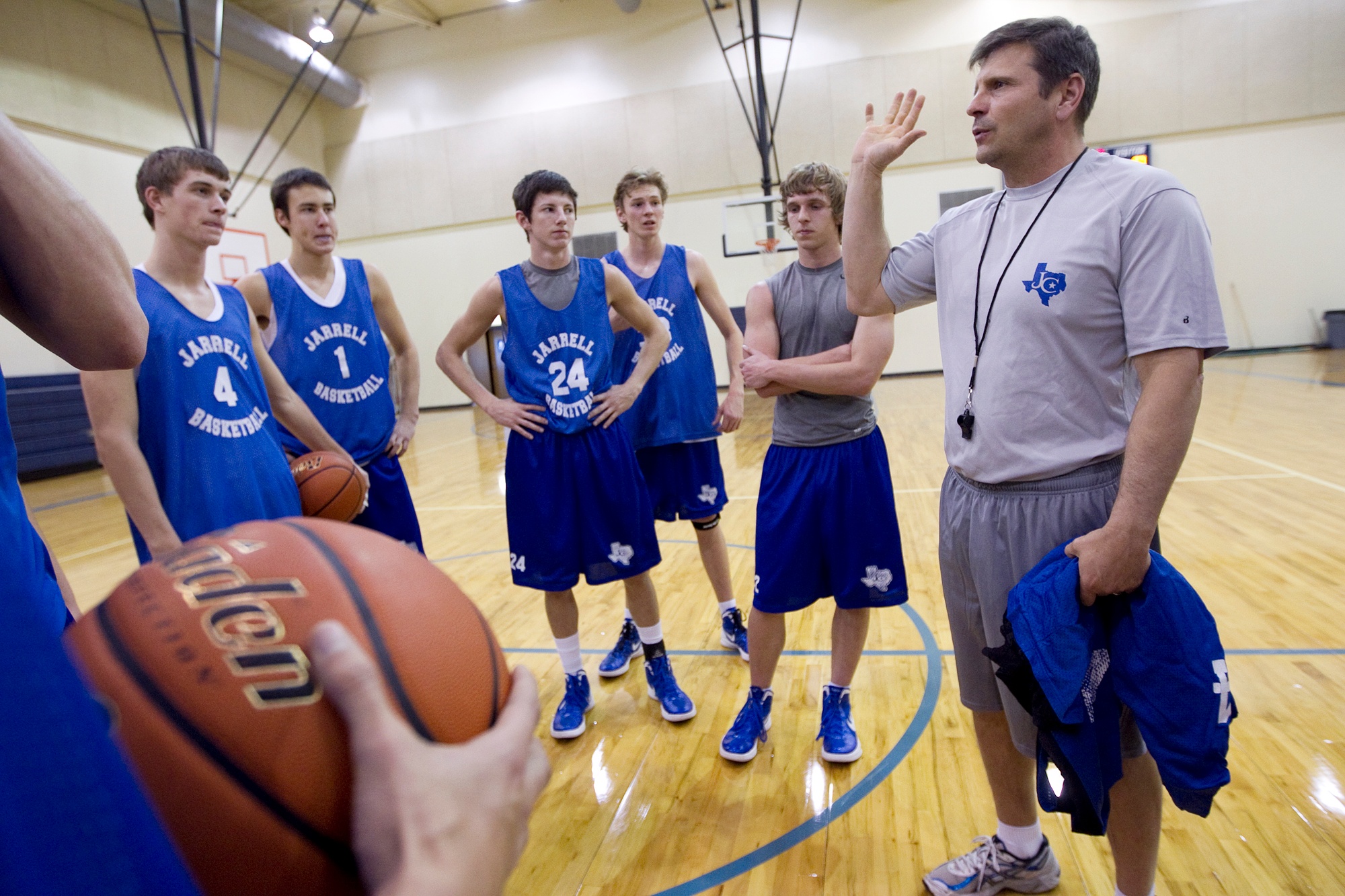
Image Source: blog.drdishbasketball.com
Deciphering Basketball Practice Length by Age and Level
The amount of time dedicated to basketball practice is a crucial element in player development. It’s not a one-size-fits-all scenario; what works for a budding young player will differ greatly from the demands placed on a seasoned professional. Let’s break down the basketball practice length by different stages of a player’s journey.
Youth Basketball Practice Duration: Building the Foundation
For the youngest players, typically between ages 6 and 12, youth basketball practice duration is generally shorter and more focused on fun and fundamental skill acquisition. Practices are often held once or twice a week and rarely exceed 60 to 90 minutes. The emphasis at this stage is on:
- Basic Dribbling: Learning to control the ball with one hand.
- Passing: Understanding chest passes, bounce passes, and overhead passes.
- Shooting Form: Developing proper shooting mechanics.
- Basic Rules: Grasping the fundamental rules of the game.
- Teamwork: Learning to share the ball and play together.
The shorter basketball practice length for youth ensures that young athletes remain engaged and don’t experience burnout. Coaches focus on positive reinforcement and making the learning process enjoyable. The goal is to foster a love for the game while instilling good habits from the outset.
Middle School Basketball Practice: Developing Skills and Strategy
As players transition into middle school (ages 12-14), the basketball practice duration can increase slightly, often extending to 90 minutes to 2 hours, and potentially being held 2-3 times per week. At this level, the focus shifts to:
- Advanced Dribbling: Crossover dribbles, behind-the-back dribbles, and change of pace.
- Shooting Drills: Developing consistency and range.
- Defensive Fundamentals: Stance, footwork, and staying between the player and the basket.
- Basic Offensive Plays: Understanding simple pick-and-rolls and offensive sets.
- Conditioning: Introducing basic strength and agility exercises.
The average basketball practice time at this level allows for more in-depth instruction and drills, helping players refine their skills and start to grasp more complex game concepts.
High School Basketball Practice Length: Refinement and Competition
High School basketball practice length typically falls between 2 to 2.5 hours, and teams might practice 3-5 times a week, depending on the season and game schedule. This stage is critical for serious development. Practices are structured to cover a wide range of areas:
- Skill Refinement: Sharpening shooting, dribbling, passing, and finishing at the rim.
- Offensive Strategy: Implementing and practicing complex offensive sets and plays.
- Defensive Systems: Teaching man-to-man and zone defenses, rotations, and help-side defense.
- Scouting and Game Preparation: Analyzing upcoming opponents and developing specific game plans.
- Conditioning and Strength Training: Building endurance, speed, and strength.
- Scrimmaging: Practicing game situations and integrating learned skills.
Coaches at this level use the extended basketball practice duration to maximize player growth and prepare the team for competitive league play and tournaments.
College Basketball Practice Time: Intensity and Specialization
College basketball practice time is significantly more demanding, often reaching 3-4 hours per day, with teams practicing 5-6 days a week. NCAA rules do set limits on the number of hours players can be involved in team-related activities, but these are substantial. College practices are characterized by:
- High Intensity: Drills are performed at game speed, demanding peak physical and mental effort.
- Specialized Skill Development: Players work on specific skills based on their position and role on the team.
- Advanced Strategies: Complex offensive and defensive schemes are taught and refined.
- Extensive Scouting Reports: Deep dives into opponent tendencies and weaknesses.
- Video Analysis: Reviewing game footage to identify areas for improvement.
- Rigorous Conditioning and Strength Training: Comprehensive programs designed for elite athleticism.
- Mental Conditioning: Developing focus, resilience, and leadership.
The college basketball practice time is about pushing athletes to their limits and preparing them for the professional level. The commitment is immense, requiring significant sacrifices in other areas of their lives.
Professional Basketball Practice Duration: Peak Performance and Maintenance
For professional athletes, how long are NBA practices? NBA practices can also range from 3 to 4 hours, but the nature of the work is different. While still demanding, the focus is often on:
- Maintaining Peak Condition: Ensuring players are physically ready for the demands of a long season.
- Refining Existing Skills: Small tweaks and adjustments to shooting form, dribbling, or defensive footwork.
- Scouting and Game Planning: Detailed preparation for each individual opponent, often on a day-to-day basis during the season.
- Team Chemistry and Adjustments: Working on offensive and defensive rotations, understanding each other’s movements on the court.
- Recovery and Injury Prevention: Incorporating stretching, physical therapy, and specialized conditioning.
- Light Scrimmaging and Situational Drills: Practicing specific scenarios that might arise in a game.
The professional basketball practice duration is about optimizing performance, managing fatigue, and executing a precise game plan against highly skilled opponents.
Factors Guiding “How Long Should Basketball Practice Be?”
Determining the optimal basketball practice duration isn’t just about setting a clock. Several key factors influence this decision:
Age and Developmental Stage
As we’ve seen, younger players have shorter attention spans and lower physical capacities. Practices should be tailored to their age, focusing on engagement and fundamental skill-building over endurance. Older, more experienced players can handle longer, more intense sessions.
Skill Level and Experience
Beginners benefit from shorter, more frequent sessions that emphasize basic techniques. Advanced players can absorb more information and engage in more complex drills for longer periods. The goal is to match the basketball practice length to the players’ capacity to learn and perform.
Goals of the Practice
Is the practice focused on introducing new offensive plays, refining defensive rotations, working on individual skills, or preparing for a specific opponent? The objective of a particular session will dictate how the time is best utilized. A practice dedicated to shooting might look very different from one focused on defensive drills.
Season Schedule and Game Frequency
Teams playing multiple games per week will need to adjust practice intensity and duration to allow for adequate rest and recovery. A long practice the day before a game might be counterproductive. Conversely, during extended breaks, practices can be more demanding.
Coaching Philosophy and Style
Some coaches prefer shorter, sharper practices with high intensity, while others opt for longer, more comprehensive sessions. The coach’s philosophy on player development and their approach to teaching heavily influences the average basketball practice time.
League Rules and Regulations
Certain youth leagues or governing bodies may have specific rules limiting the youth basketball practice duration or the number of practices per week to prevent overtraining and ensure a balanced approach to youth sports.
The Impact of Practice Length on Player Development
The duration of practice directly correlates with the depth of skill development and tactical comprehension.
Skill Acquisition and Refinement
Longer practices, when structured effectively, allow for more repetitions of fundamental skills and the introduction of more complex techniques. This is crucial for players looking to improve their dribbling, shooting, passing, and defensive abilities. The basketball practice length needs to be sufficient to allow for mastery.
Tactical and Strategic Development
As players progress, the tactical aspects of basketball become more important. Longer practice sessions provide the time necessary to teach and execute offensive plays, defensive schemes, and transition strategies. High school basketball practice length, for instance, is designed to cover these intricate elements.
Physical Conditioning and Endurance
While not solely the purpose of practice, the duration often includes elements of conditioning. Longer practices can contribute to improved cardiovascular fitness, agility, and overall basketball-specific endurance, preparing players for the rigors of a full game.
Team Cohesion and Communication
Extended practice time allows teams to gel, build chemistry, and improve on-court communication. Practicing plays, defensive rotations, and situational basketball fosters a deeper understanding between teammates.
Comparing Basketball Practice Duration to Soccer Practice Duration
To provide a broader perspective on athletic training, let’s briefly compare soccer practice duration to that of basketball. Soccer, like basketball, sees variations based on age and level.
| Level | Basketball Practice Duration (Approx.) | Soccer Practice Duration (Approx.) | Key Focus Areas for Soccer |
|---|---|---|---|
| Youth (6-12) | 60-90 minutes | 60-75 minutes | Ball control, basic passing, shooting, dribbling, rules |
| Middle School (12-14) | 90-120 minutes | 75-90 minutes | Technical skills, positional play, basic tactics, fitness |
| High School | 120-150 minutes | 90-120 minutes | Advanced tactics, set pieces, team strategy, conditioning |
| College | 180-240 minutes | 120-150 minutes | High-intensity drills, tactical complexity, advanced conditioning |
| Professional | 180-240 minutes | 120-180 minutes | Peak performance, scouting, tactical adjustments, recovery |
Key Observations from the Comparison:
- Similar Age-Based Progression: Both sports generally follow a similar pattern of increasing practice duration as athletes mature.
- Basketball’s Intensity: While soccer can be incredibly demanding, basketball practices, especially at higher levels, often involve more concentrated bursts of high-intensity, stop-start activity within the allotted time.
- Soccer’s Endurance Focus: Soccer’s continuous nature means conditioning is often integrated more seamlessly into drills, focusing on sustained aerobic and anaerobic effort over longer periods.
- Tactical Depth: Both sports require significant tactical understanding, but the “plays” in basketball can be more intricate and require more direct practice time to execute compared to the more fluid, space-based strategies in soccer.
The differences highlight how the specific demands of each sport shape the training regimen. The basketball practice duration reflects the need for precise movements, rapid changes of direction, and frequent bursts of explosive energy, alongside the strategic execution of set plays.
Maximizing the Effectiveness of Basketball Practice Time
Regardless of the specific basketball practice length, coaches and players should aim for maximum efficiency.
Structured Practice Plans
A well-organized practice plan ensures that time is used wisely. Each segment should have a clear objective, whether it’s skill development, tactical implementation, or conditioning.
Quality Over Quantity
A short, focused, and high-intensity practice can be more beneficial than a long, unfocused one. Player engagement and effort are paramount.
Player Engagement and Feedback
Coaches should actively engage players, provide constructive feedback, and create an environment where players feel comfortable asking questions. This makes the average basketball practice time more impactful.
Flexibility and Adaptability
While plans are important, coaches should be prepared to adjust based on the team’s performance, energy levels, and specific needs that arise during practice.
Proper Warm-up and Cool-down
Adequate time must be allocated for both. A thorough warm-up prepares the body for activity and reduces injury risk, while a cool-down aids in recovery. These are essential components of the overall basketball practice duration.
Frequently Asked Questions About Basketball Practice
Q1: How long is a typical youth basketball practice?
A1: Youth basketball practices typically last between 60 to 90 minutes.
Q2: Can high school practices be longer than college practices?
A2: Generally, college practices are longer and more intense than high school practices due to the higher level of athleticism and more demanding training schedules.
Q3: Are NBA practices always 4 hours long?
A3: NBA practices can vary but often fall within the 3-4 hour range. However, the focus is on maintaining peak condition and strategic preparation rather than just extended skill drills.
Q4: How does basketball practice time compare to soccer practice time?
A4: While both sports have age-dependent practice lengths, basketball practices, especially at higher levels, can be longer and more focused on intense, stop-start drills, whereas soccer practices often integrate conditioning more continuously due to the sport’s nature.
Q5: What is the most important factor in determining basketball practice duration?
A5: Age and the developmental stage of the players are the most critical factors, influencing everything from attention span to physical capacity.
Q6: Should conditioning be a major part of every basketball practice?
A6: Yes, conditioning is an essential element, but its integration and intensity should be appropriate for the age and skill level of the players. It’s often woven into drills or dedicated segments within the basketball practice length.
Q7: Who decides how long basketball practice should be?
A7: The head coach, in consultation with assistant coaches and potentially based on league regulations or athletic department guidelines, determines the basketball practice length.
The journey of a basketball player, from novice to elite, is shaped significantly by the time spent honing their craft. The question of “how long is basketball practice” is complex, with the answer evolving with each stage of development. By understanding the rationale behind varying basketball practice durations and focusing on effective training strategies, players can maximize their potential and truly elevate their game.