
A regulation basketball weighs between 20 and 22 ounces (567 to 624 grams). This weight applies to standard men’s and women’s basketballs used in professional and collegiate play.
The weight of a basketball isn’t just a random number; it’s a carefully chosen specification that directly impacts how the ball bounces, travels through the air, and feels in a player’s hands. Whether you’re dribbling on a professional court, shooting hoops at the local park, or introducing a young child to the sport, understanding the nuances of basketball weight and its related basketball ball specifications is key to enjoying and performing well. This in-depth guide will explore the various weights of basketballs, the organizations that set these standards, and what it all means for players at every level.
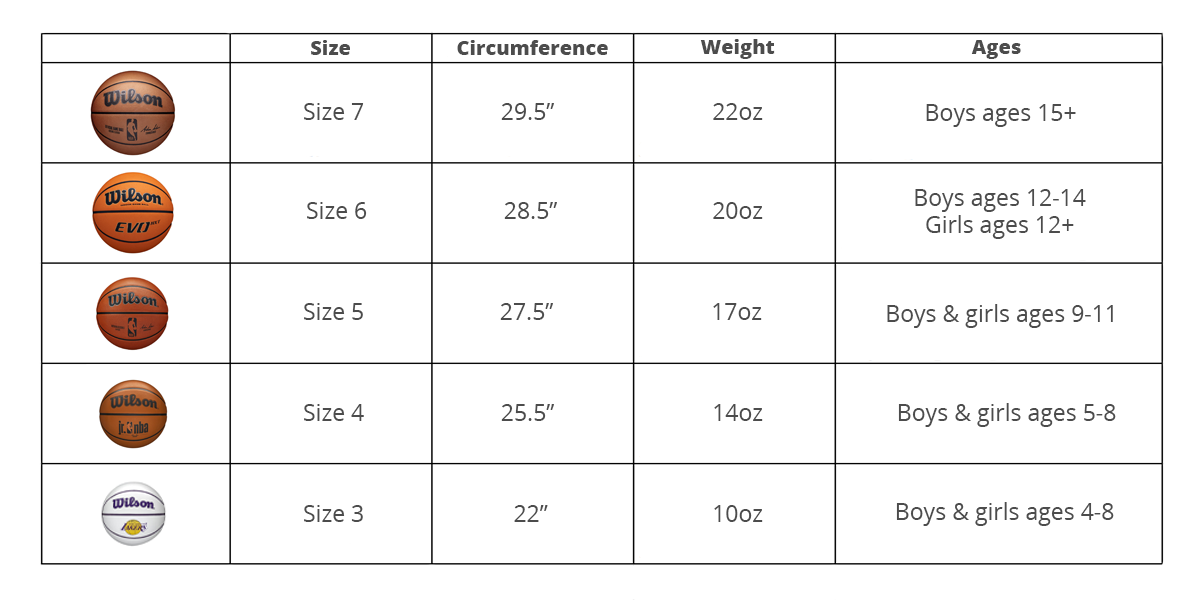
Image Source: sportsedtv.com
The Science Behind Basketball Weight
The weight of a basketball is a crucial element in its performance. It’s not just about mass; it’s about how that mass interacts with the forces applied to it during play.
Dribbling Dynamics
A heavier ball will generally have a lower bounce when dribbled with the same force. This is due to the principle of conservation of energy and how it’s distributed during the impact. A heavier ball requires more force to initiate a dribble and will rebound with more momentum. The basketball weight regulation ensures a consistent feel for dribblers.
Shooting Trajectory
The weight of the ball affects its aerodynamic properties and how it reacts to spin. A lighter ball might be more susceptible to air resistance, leading to a less predictable trajectory. Conversely, a ball that is too heavy might require excessive force to shoot, potentially leading to fatigue and inaccuracies. The ideal weight allows for a smooth release and a predictable arc.
Passing Precision
When passing, the weight influences the effort required and the speed of the ball. A heavier ball requires a stronger, more deliberate pass. The official basketball size and weight are designed to allow for both powerful chest passes and more delicate bounce passes with relative ease.
Governing Bodies and Their Standards
Several international and national organizations dictate the precise basketball weight regulation for official competitions. These standards ensure fairness and consistency across different leagues and tournaments.
FIBA Basketball Weight
The International Basketball Federation (FIBA) governs international basketball competitions, including the Olympics and the FIBA World Cup. Their standards are influential worldwide.
FIBA Basketball Weight Requirements:
- Circumference: 749-780 mm (29.5-30.7 inches)
- Weight: 567-650 grams (20-22.9 ounces)
These specifications mean that a FIBA-approved basketball falls within a slightly broader weight range than some other organizations, but the upper limit is quite close to the common standard. This weight allows for powerful play suited to international styles.
NBA Basketball Weight
The National Basketball Association (NBA) is the premier professional basketball league in North America. Their NBA basketball weight specifications are highly recognized.
NBA Basketball Weight Requirements:
- Circumference: 29.5 inches (75 cm)
- Weight: 20-22 ounces (567-624 grams)
The NBA’s standards are very specific, aiming for a consistent feel for the elite athletes who play in the league. This weight is considered optimal for the fast-paced, high-skill game played in the NBA.
NCAA Basketball Weight
The National Collegiate Athletic Association (NCAA) oversees collegiate sports in the United States. Their standards are closely aligned with the NBA for men’s basketball.
NCAA Basketball Weight Requirements (Men’s):
- Circumference: 29.5 inches (75 cm)
- Weight: 20-22 ounces (567-624 grams)
This alignment ensures that college players are accustomed to the feel and performance of the ball they might encounter if they progress to professional leagues.
Women’s Basketball Weight (NCAA and WNBA)
While the general principles of weight apply to women’s basketball, there are specific distinctions, particularly regarding size and sometimes weight for younger age groups. However, for collegiate and professional women’s basketball, the specifications are very similar to men’s.
Women’s Basketball Weight Requirements (NCAA and WNBA):
- Circumference: 28.5 inches (72.4 cm)
- Weight: 18-20 ounces (510-567 grams)
Note that the WNBA uses a slightly smaller circumference ball, but the weight range is very close to the lower end of the men’s range. This is to accommodate the generally smaller hand size of female players, allowing for better grip and control. It’s important to note that sometimes the “women’s basketball weight” can be confused with junior sizes, so clarity on the specific league or age group is essential.
Junior Basketball Weight and Youth Basketball Weight
As players develop, they use basketballs that are appropriately sized and weighted for their age and physical development. Using a ball that is too large or too heavy can hinder a child’s ability to learn proper technique.
Youth Basketball Weight and Size Guidelines (General):
- Size 3 (Mini Ball): Typically for ages 3-5. Circumference around 22 inches, weight around 10-12 ounces.
- Size 4 (Junior Ball): Typically for ages 6-8. Circumference around 24 inches, weight around 14-16 ounces.
- Size 5 (Youth Ball): Typically for ages 8-11. Circumference around 27 inches, weight around 17-19 ounces.
- Size 6 (Women’s/Youth Transition Ball): Typically for ages 11-14 (Girls) and 11-12 (Boys). Circumference around 28.5 inches, weight around 18-20 ounces. This is the same size ball as used in women’s professional and collegiate play.
- Size 7 (Men’s Regulation Ball): Typically for ages 14+ (Boys) and all adult men. Circumference around 29.5 inches, weight around 20-22 ounces. This is the standard men’s basketball weight.
These variations in junior basketball weight and youth basketball weight are designed to promote skill development and make the game more accessible for younger players. The goal is to ensure they can grip, dribble, and shoot the ball effectively without undue strain.
Common Basketball Sizes and Their Weights
Basketballs come in various sizes, each designed for a specific age group or skill level. The weight typically scales with the size.
Basketball Size Chart and Weight
| Basketball Size | Circumference (inches) | Circumference (cm) | Weight (ounces) | Weight (grams) | Typical Age Group |
|---|---|---|---|---|---|
| Size 3 | 22 | 56 | 10-12 | 283-340 | 3-5 |
| Size 4 | 24 | 61 | 14-16 | 397-454 | 6-8 |
| Size 5 | 27 | 69 | 17-19 | 482-539 | 8-11 |
| Size 6 | 28.5 | 72.4 | 18-20 | 510-567 | 11-14 (Girls), 11-12 (Boys) |
| Size 7 | 29.5 | 75 | 20-22 | 567-624 | 14+ (Boys), Adults (Men) |
This table provides a clear overview of the most common official basketball size and weight variations. It’s important to match the ball size to the player’s age and physical capabilities for optimal development and enjoyment.
Factors Affecting Perceived Weight
While the specifications for basketball weight regulation are precise, a player might sometimes perceive a ball as feeling heavier or lighter than its actual weight. Several factors contribute to this.
Material and Construction
The materials used in the construction of a basketball can influence its feel. Leather basketballs, often used in professional play, tend to feel different from composite leather or rubber basketballs. The outer shell’s texture and thickness can also affect grip, which in turn can influence how the ball is perceived.
Inflation Level
The amount of air inside a basketball significantly impacts its bounce and feel. A properly inflated ball will rebound predictably. An underinflated ball will feel soft and heavy, with a sluggish bounce, while an overinflated ball will feel hard and bouncy, potentially making it harder to control. The recommended inflation pressure is typically printed on the ball itself, usually between 7.5 and 8.5 PSI. This is a critical aspect of maintaining basketball ball specifications.
Grip and Texture
The grip of a basketball plays a vital role in how a player handles it. A ball with a rougher texture provides better grip, which can make it easier to control, potentially making it feel less cumbersome. A smoother ball might require more effort to maintain control, especially in sweaty conditions.
Why Regulation Matters
Adhering to basketball weight regulation is essential for maintaining the integrity and fairness of the sport at all levels.
Consistency in Play
When all players in a competition use balls that meet the same weight and size specifications, it ensures that the game is played on a level field. No player has an advantage or disadvantage due to equipment variations. This consistency is paramount in professional leagues like the NBA and FIBA.
Skill Development
For aspiring players, using the correct size and weight of basketball is crucial for developing proper technique. Using a ball that is too large or heavy can lead to bad habits, such as flicking the wrist incorrectly or using too much arm, which can be difficult to unlearn later. The progression through different youth basketball weight and sizes helps build fundamental skills gradually.
Equipment Standards
Manufacturers must adhere to these regulations to have their basketballs certified for official play. This ensures that consumers can purchase high-quality, reliable equipment that meets the standards expected for competitive play. The official basketball size and weight are therefore maintained across the industry.
Choosing the Right Basketball
Selecting the correct basketball depends on your age, skill level, and where you’ll be playing.
For Young Players
As highlighted in the junior basketball weight section, it’s vital to start with smaller, lighter balls for children. This aids in developing proper shooting form, dribbling skills, and overall confidence. A size 3, 4, or 5 is appropriate for younger children.
For Teenagers and Women
A size 6 basketball is typically used for girls aged 11-14 and boys aged 11-12. This is also the standard size for women’s basketball weight in collegiate and professional leagues. For boys 13 and older, the transition to a size 7 (regulation men’s size) is common.
For Adult Men and Professional Play
The size 7 basketball, with its specified men’s basketball weight, is the standard for all adult men’s play, including college, professional (NBA, FIBA), and recreational leagues.
Indoor vs. Outdoor Basketballs
While weight and size are standardized, the materials used for indoor and outdoor basketballs can differ. Indoor balls are typically made of genuine leather or high-quality composite leather for better grip and feel. Outdoor balls are often made of more durable rubber or synthetic materials to withstand abrasive court surfaces. The weight specifications generally remain the same, but the outer material can affect the perceived feel.
Common Misconceptions About Basketball Weight
It’s not uncommon for people to have slightly different ideas about basketball weights, especially when comparing different brands or types of balls.
“Heavier is always better”
While a certain weight is necessary for proper play, simply choosing the heaviest ball available isn’t always the best approach. The basketball weight regulation is designed to find an optimal balance for performance. A ball that is too heavy can be detrimental to skill development and can lead to injuries.
“All balls of the same size weigh the same”
While official basketball ball specifications provide a range, there can be slight variations between different manufacturers and models within that range. For example, a high-end NBA replica might feel slightly different from a standard recreational ball, even if both fall within the 20-22 ounce range.
The Feel of the Game: Weight in Practice
Beyond the official numbers, the actual “feel” of the ball is what players experience most directly.
Gripping and Handling
A ball that feels too heavy can be difficult to grip firmly, especially for players with smaller hands. This can affect dribbling control, passing accuracy, and shooting consistency. The standard women’s basketball weight and the slight reduction in circumference for women’s leagues are directly related to facilitating a better grip.
Shooting Mechanics
The weight of the ball influences the force required for a proper shot. Players need to adjust their shooting motion based on the ball’s mass. Consistent use of a ball within the regulation weight allows players to develop a repeatable and effective shooting form. The NBA basketball weight has been refined over decades to be ideal for the high-level shooting seen in the league.
Dribbling Rhythm
The bounce of the ball is directly related to its weight and the inflation pressure. A properly weighted and inflated ball provides a consistent bounce, allowing players to establish a rhythm in their dribbling. Variations in weight or inflation can disrupt this rhythm, making it harder to maintain possession and execute plays.
Conclusion: The Importance of the Right Weight
The weight of a basketball is far more than a simple statistic. It’s a critical component that influences every aspect of play, from dribbling and passing to shooting and overall game feel. Whether you’re looking at FIBA basketball weight, NCAA basketball weight, or junior basketball weight, understanding these specifications ensures you’re using equipment that is appropriate for the player and the game. By adhering to basketball weight regulation, governing bodies and manufacturers ensure fairness, consistency, and the optimal development of the sport. Choosing the right ball, matched to the player’s age and skill, is a fundamental step in enjoying and excelling at basketball.
Frequently Asked Questions (FAQ)
What is the standard weight for an NBA basketball?
The standard weight for an NBA basketball is between 20 and 22 ounces (567 to 624 grams).
Does the weight of a basketball change the way it bounces?
Yes, the weight of a basketball significantly affects its bounce. A heavier ball, with the same amount of air, will generally have a lower bounce than a lighter ball, requiring more force to dribble effectively.
Is there a difference in weight between men’s and women’s basketballs?
Yes, typically men’s regulation basketballs (Size 7) weigh between 20-22 ounces, while women’s regulation basketballs (Size 6) weigh between 18-20 ounces. This difference is often accompanied by a slightly smaller circumference for women’s balls to improve grip.
Why do youth basketballs have different weights?
Youth basketballs have different weights (and sizes) to match the physical capabilities of younger players. Smaller, lighter balls are easier for children to grip, dribble, pass, and shoot, which aids in developing proper technique and building confidence in the sport.
Where can I find official basketball specifications?
Official basketball specifications, including weight and size, are typically set by governing bodies such as FIBA, NBA, WNBA, and NCAA. You can usually find these details on their official websites or by checking the product descriptions of basketballs certified for official play.