
What is the official size of a basketball hoop? The standard basketball hoop diameter is 18 inches (45.7 cm). This measurement applies to regulation hoops used in professional and amateur leagues worldwide, ensuring a consistent challenge for players aiming to score.
Basketball is a game of skill, precision, and athleticism. While the ball itself and the court dimensions are well-known, the specifics of the hoop often remain a mystery to casual fans. How big are basketball hoops, really? This detailed guide will break down the official dimensions, explore variations for different age groups and leagues, and shed light on the equipment that makes the game possible.
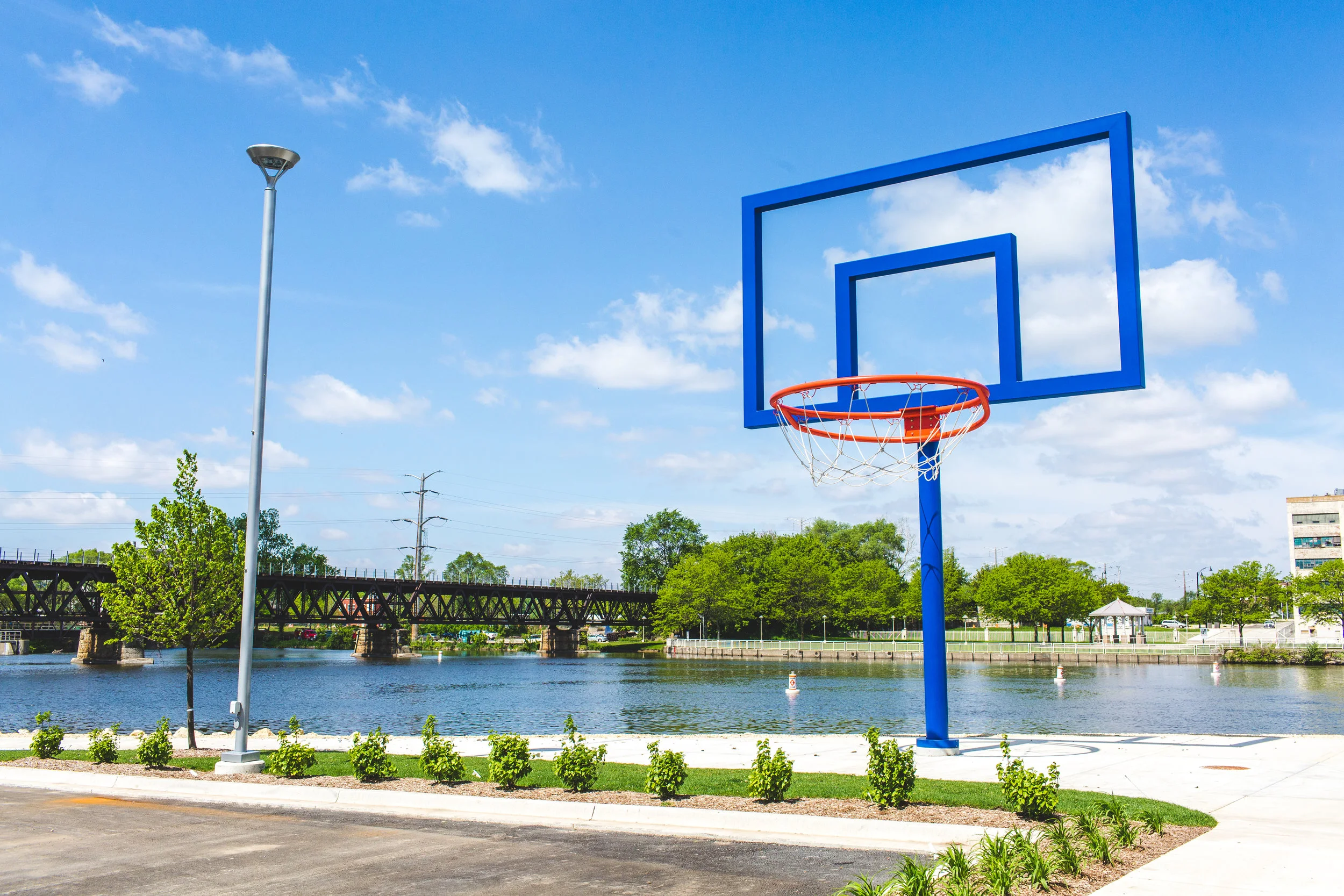
Image Source: images.squarespace-cdn.com
The Anatomy of a Basketball Hoop
Before diving into specific measurements, let’s identify the key components of a basketball hoop system:
- Rim: This is the circular metal ring through which the ball is shot.
- Net: Attached to the rim, the net slows the ball down and provides a visual indicator of a successful shot.
- Backboard: A flat surface behind the rim, designed to help players make bank shots and to provide a mounting surface for the rim.
- Support Structure: This can range from a wall-mounted bracket to a pole system, holding the backboard and rim at the correct height.
Regulation Hoop Dimensions: The Standard
The core of any basketball hoop, the rim, has a very specific and unchanging size in official play.
Basketball Hoop Diameter: The Critical Measurement
The basketball hoop diameter for a regulation rim is precisely 18 inches (45.7 cm). This might seem surprisingly small when you consider the size of a basketball, which has a circumference of 29.5 inches (74.9 cm) for a men’s regulation ball and 28.5 inches (72.4 cm) for a women’s regulation ball. This tight fit is intentional, demanding accuracy from players. Imagine trying to thread a ball through a target that’s only slightly wider than the ball itself!
Regulation Basketball Rim Height: Reaching for the Stars
The regulation basketball rim height is another crucial dimension. Measured from the playing surface to the top edge of the rim, it stands at 10 feet (3.05 meters). This height is consistent across virtually all levels of organized basketball, from professional leagues to collegiate and high school play. This consistent height ensures that the challenge of shooting remains the same, regardless of the venue.
Backboard Dimensions: A Crucial Aid
While the rim size is paramount, the backboard also has standard dimensions, though there can be slight variations between types.
- Professional and Collegiate Backboards: These are typically rectangular and measure 72 inches (183 cm) wide by 42 inches (107 cm) high.
- High School and Youth Backboards: These are often slightly smaller, commonly 60 inches (152 cm) wide by 36 inches (91 cm) high, or even smaller for younger age groups.
The backboard is not just a passive surface; its presence significantly influences gameplay. The ability to use the backboard for bank shots adds a strategic layer to scoring and requires players to have a good feel for angles and trajectory.
League-Specific Dimensions: A Global Perspective
While the 18-inch rim diameter and 10-foot height are widely adopted, there are minor differences in regulations between major international basketball organizations.
NBA Basketball Hoop Dimensions: The Pinnacle of the Game
The National Basketball Association (NBA) adheres to the standard 18-inch (45.7 cm) basketball hoop diameter and 10-foot (3.05 meter) rim height. NBA rims are typically breakaway rims, designed to flex downward when a player dunks forcefully, reducing the risk of injury and damage to the equipment. The backboards used in the NBA are usually tempered glass, measuring 72 inches wide by 42 inches high.
FIBA Basketball Hoop Measurements: International Standards
The International Basketball Federation (FIBA), which governs international basketball, also uses the 18-inch (45.7 cm) rim diameter and 10-foot (3.05 meter) rim height. FIBA backboards are also typically glass and are often similar in size to NBA backboards, though slightly smaller ones are also permitted, especially in older facilities. The key is that the rim diameter and height remain constant to ensure fair competition across all member nations.
Variations for Different Age Groups and Skill Levels
The dimensions of a basketball hoop are adjusted to accommodate the development and physical capabilities of younger players. This ensures that the game remains accessible and enjoyable for children as they learn and grow.
Youth Basketball Hoop Size: Growing with the Player
For younger players, the youth basketball hoop size is adapted to make scoring more achievable and to build confidence.
- Rim Diameter: While the junior basketball hoop diameter is often the same 18 inches (45.7 cm) as regulation hoops, the critical difference is the adjustable height.
- Adjustable Height: Many youth hoops feature an adjustable basketball hoop height mechanism. This allows parents and coaches to lower the rim from the 10 feet to much lower heights, such as 6 feet (1.83 meters), 7 feet (2.13 meters), or 8 feet (2.44 meters), depending on the child’s age and skill level. For very young children, the rim might be set as low as 4 feet (1.22 meters).
The goal with youth basketball hoop size is to create a gradual progression. As children get taller and their shooting skills improve, the hoop can be raised to match regulation height.
Types of Basketball Hoops and Their Dimensions
The way a basketball hoop is installed also influences its overall size and portability.
Indoor Basketball Hoop Size: Dedicated Courts
Indoor basketball hoop size in dedicated gymnasiums or sports facilities will almost always conform to official regulations, meaning an 18-inch (45.7 cm) rim diameter and a 10-foot (3.05 meter) height. These installations are typically permanent, often using ceiling mounts or wall-mounted systems with robust backboards.
Outdoor Basketball Hoop Dimensions: Durability and Versatility
Outdoor basketball hoop dimensions generally follow the same official measurements for the rim (18 inches diameter) and height (10 feet). However, the construction materials and support systems are often different to withstand weather conditions.
- Materials: Outdoor hoops frequently use steel or aluminum for the rim, and acrylic, polycarbonate, or fiberglass for the backboard, which are more durable against moisture and UV exposure than glass.
- Support: Many outdoor hoops are portable basketball hoop size units, featuring a base that can be filled with water or sand for stability. These can be moved around a driveway or yard. Wall-mounted or in-ground pole systems are also common for more permanent outdoor setups.
Portable Basketball Hoop Size: Convenience and Flexibility
The appeal of a portable basketball hoop size lies in its mobility. While the rim diameter remains standard at 18 inches (45.7 cm) and the target height is often adjustable up to 10 feet (3.05 meters), the overall footprint and backboard size can vary significantly.
- Base: The base typically contains a large reservoir for weight, and wheels are attached for transport.
- Pole: The pole supporting the backboard can be a single pole or a U-shaped pole, with telescoping mechanisms for height adjustment.
- Backboard: Backboards on portable units range from smaller, recreational sizes (e.g., 44 inches or 48 inches wide) to larger, more professional sizes (e.g., 52 inches or 60 inches wide).
The adjustable basketball hoop height feature is particularly important for portable hoops, allowing families to adapt the game for different users and skill levels.
Technical Specifications and Materials
Beyond the basic dimensions, the materials and engineering of basketball hoops contribute to their performance and longevity.
Rim Construction: Strength and Responsiveness
Regulation rims are designed to withstand immense force.
- Material: Typically made of solid steel, they are engineered to be rigid yet have a slight flex to absorb impact.
- Thickness: The steel used for regulation rims is usually 5/8 inch (1.6 cm) to 3/4 inch (1.9 cm) in diameter.
- Breakaway Rims: Professional and advanced recreational hoops often feature breakaway rims. These rims are spring-loaded, allowing them to bend downwards under pressure (like a dunk) and then return to their original position. This prevents rim damage and reduces stress on the backboard and support structure.
Net Material and Length: The Sound of Success
The basketball net, while not directly measured for scoring, plays a vital role.
- Material: Nets are usually made of nylon, polyester, or cotton. Nylon is a popular choice for its durability and resistance to weather.
- Length: A standard net is approximately 15 to 18 inches (38 to 46 cm) long and has 12 loops to attach securely to the rim. The length is designed to provide enough drag to give a satisfying swish sound and visual confirmation of a made basket without significantly altering the ball’s trajectory.
Backboard Materials: Visibility and Rebound
The backboard’s material affects the bounce of the ball and the overall playing experience.
- Tempered Glass: The preferred material for professional and high-level play. It offers excellent visibility, a true rebound (meaning the ball bounces off predictably), and durability. However, it is also the most fragile and expensive.
- Acrylic: A good compromise between performance and durability. It provides a good rebound and is more resistant to impact than glass, making it popular for home courts and indoor facilities.
- Polycarbonate: Offers exceptional durability and impact resistance, making it ideal for outdoor and portable hoops. The rebound may not be as true as glass or acrylic, but its longevity is a major advantage.
- Fiberglass: Often used for lower-cost or recreational hoops. It’s lightweight and durable but may not offer the same rebound quality as higher-end materials.
Frequently Asked Questions About Basketball Hoops
Here are answers to some common questions about basketball hoop dimensions and related topics.
Q1: What is the difference between NBA and FIBA hoop sizes?
A: The core dimensions for the basketball hoop diameter and regulation basketball rim height are the same for both the NBA and FIBA: an 18-inch rim diameter and a 10-foot rim height. Minor differences might exist in backboard size regulations or specific rim construction features (like breakaway rims), but the critical scoring dimensions are identical.
Q2: Can I adjust the height of any basketball hoop?
A: Not all basketball hoops are adjustable. Fixed-height hoops, common in older indoor gymnasiums or permanent outdoor installations, are set at the regulation 10 feet. However, many modern portable basketball hoop size units and some in-ground systems feature an adjustable basketball hoop height mechanism, allowing users to change the rim’s elevation to suit different players or age groups.
Q3: What is the standard basketball hoop diameter for recreational play?
A: For recreational play, the basketball hoop diameter is almost universally the standard 18 inches (45.7 cm). Even for hoops intended for younger players or casual use, this dimension is maintained to introduce players to the correct size and challenge. The primary variation in recreational hoops is the adjustable height feature.
Q4: How does youth basketball hoop size differ from professional size?
A: The main difference in youth basketball hoop size is the ability to adjust the regulation basketball rim height downwards. While the junior basketball hoop diameter remains 18 inches, the rim can be lowered from the standard 10 feet to accommodate smaller players, making it easier for them to learn and enjoy the game. As children grow, the hoop can be raised to the professional height.
Q5: Are outdoor basketball hoop dimensions different from indoor ones?
A: The basketball hoop diameter and regulation basketball rim height remain consistent at 18 inches and 10 feet, respectively, for both indoor and outdoor hoops. The primary distinctions lie in the materials used for durability against the elements and the support structure. Outdoor hoops often have backboards made of polycarbonate or acrylic for weather resistance, and their support poles or bases are designed for outdoor stability.
Q6: What is the purpose of a breakaway rim?
A: A breakaway rim is designed to flex downwards under pressure, such as during a slam dunk, and then spring back to its original position. This feature protects the rim, backboard, and support structure from damage caused by forceful impacts and also helps prevent player injury by reducing the torque on the player’s arm and wrist.
By familiarizing yourself with these dimensions, you gain a deeper appreciation for the sport of basketball, from the precise engineering of a professional hoop to the adaptable nature of a youth basketball setup. Whether playing on a grand court or a backyard driveway, the fundamental size of the hoop remains a constant, a testament to the sport’s enduring design.