
Want to know how to become a basketball referee? The path involves training, testing, and gaining experience to earn your referee certification. This guide will walk you through every step, from the basic requirements to advanced development, so you can confidently step onto the court.
Becoming a basketball official is a rewarding way to stay involved in the sport you love, even if you’re no longer playing. It requires dedication, a thorough knowledge of the game, and the ability to make quick, fair decisions. Whether you’re looking to officiate youth leagues, high school games, or even aspiring to higher levels, the process of becoming a referee generally follows a similar structure.
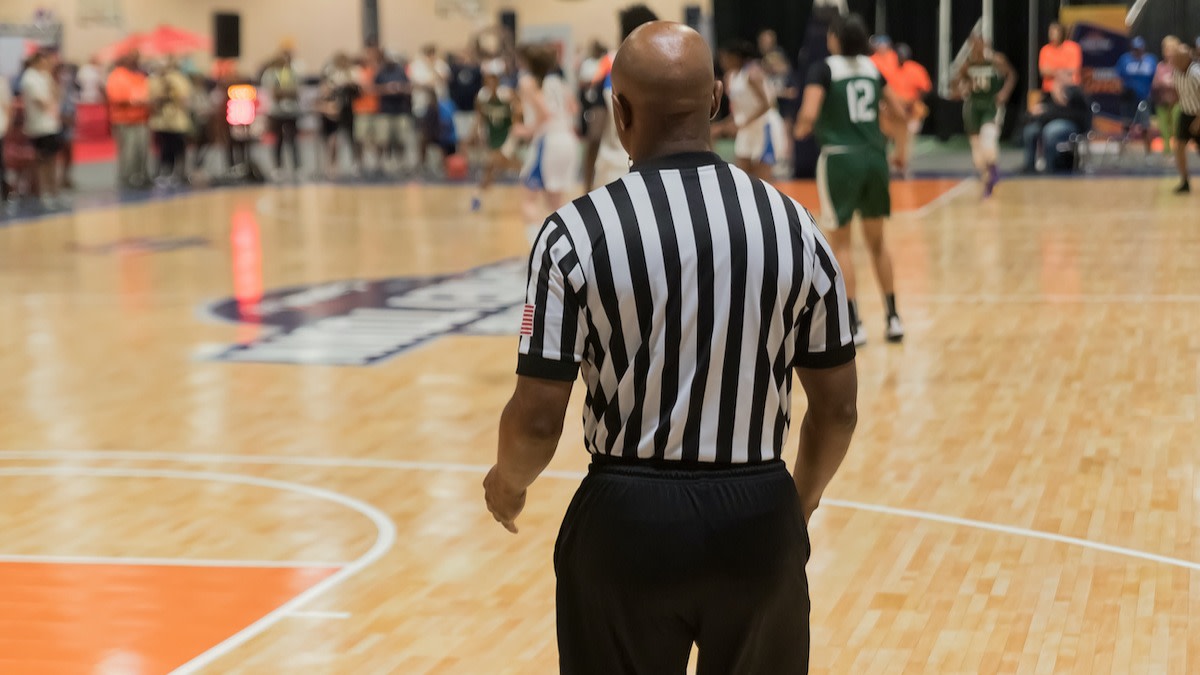
Image Source: images.ctfassets.net
The Essential Steps to Officiating Basketball
Embarking on a career as a basketball referee involves a structured progression. Here’s a breakdown of what you need to do:
1. Meet Basic Requirements
Before diving into training, ensure you meet the fundamental criteria. These usually include:
- Age: Most organizations require referees to be at least 16 or 18 years old, depending on the level of competition.
- Physical Fitness: You need to be in good physical condition to keep up with the fast pace of a basketball game. This includes running, quick bursts of speed, and agility.
- Good Vision and Hearing: Clear sight and hearing are crucial for accurately observing plays and hearing calls from other officials.
- Clean Background Check: Many leagues and associations require a background check to ensure the safety of the players.
2. Learn the Basketball Rules
A deep comprehension of basketball rules is the bedrock of successful basketball officiating. This isn’t just about memorizing rules; it’s about understanding the intent behind them and how they apply in various game situations.
Key Rule Areas to Master:
- Violations: Traveling, double dribble, carrying the ball, out of bounds, shot clock violations, three-second rule, five-second rule, eight-second rule.
- Fouls: Personal fouls (blocking, charging, holding, pushing, illegal use of hands), technical fouls (unsportsmanlike conduct, disrespect towards officials, illegal substitutions), flagrant fouls (excessive or violent contact).
- Scoring: Understanding how points are awarded, including free throws and field goals.
- Time and Score: Managing the game clock, shot clock, and score accurately.
- Jump Balls and Possession: Knowing when and how jump balls are conducted and how alternating possession works.
Resources for Rule Study:
- Official Rulebooks: The National Federation of State High School Associations (NFHS) rulebook is standard for high school play, while the NCAA and NBA have their own rulebooks for college and professional levels, respectively.
- Online Resources: Websites like USA Basketball and FIBA offer rule clarifications and interpretations.
- Study Groups: Connecting with other aspiring officials can be invaluable for discussing rules and scenarios.
3. Seek Referee Training
Referee training is where you gain the practical knowledge and skills needed to officiate effectively. This training goes beyond just knowing the rules; it teaches you how to apply them in real-time.
Components of Quality Referee Training:
- Classroom Instruction: Sessions covering rule interpretations, mechanics, and situational analysis.
- On-Court Drills: Practicing positioning, movement, and signaling with experienced trainers.
- Video Analysis: Watching game footage to identify common situations and correct officiating techniques.
- Mentorship: Learning from experienced referees who can provide guidance and feedback.
4. Pass Certification Exams
Referee certification is often a mandatory step to officiate in organized leagues. Certification ensures that officials have met a certain standard of knowledge and competence.
The Certification Process:
- Written Examination: This tests your knowledge of the basketball rules. Questions typically cover rule interpretations, scenarios, and terminology.
- Practical Assessment: Some certifications include an on-court evaluation where your mechanics, signaling, and decision-making are observed.
- Background Checks: As mentioned earlier, these are often part of the certification process.
5. Gain On-Court Experience
Certification is just the beginning. The real growth in referee development comes from practical experience.
Starting Your Officiating Journey:
- Youth Leagues: Often the best place to start, offering lower pressure and opportunities to build confidence.
- School Intramurals and Recreational Leagues: These provide consistent opportunities to officiate.
- Local Associations: Joining a local basketball officiating association can provide access to games, training, and mentorship.
6. Master Referee Mechanics and Signals
Referee mechanics refer to the fundamental movements and positioning an official uses to observe plays. Correct mechanics are crucial for clear vision, proper positioning, and effective communication.
Core Referee Mechanics:
- Stance: A balanced, athletic stance that allows for quick movement.
- Footwork: Efficient footwork to stay in position, track the ball, and move with the players. This includes mirroring, closing out, and staying ahead of the play.
- Court Coverage: Understanding how to position yourself on the court to see all potential plays, whether it’s working with a single partner or a crew of three.
- Vision: Developing the ability to see the entire court and anticipate plays. This involves scanning, focusing on ball-handler, and being aware of off-ball action.
Essential Referee Signals:
Clear and concise referee signals are vital for communicating calls to players, coaches, scorekeepers, and spectators.
Common Referee Signals:
| Signal | Description |
|---|---|
| Hand held up | Stop clock |
| Pointing to wrist | Timing violation (e.g., shot clock, 3 seconds) |
| Fist clenched | Foul (personal, technical) |
| Open hand palm | Out of bounds |
| Hand rotating | Traveling violation |
| Thumbs up/down | Made/missed free throw |
| Arm extended | Basket count (2 or 3 points) |
| Hand to shoulder | Holding foul |
| Pushing motion | Pushing foul |
| Palm pushing | Blocking foul |
| Elbow extending | Illegal use of elbow |
| Fingers counting | Count violation (e.g., 3 seconds in the key) |
| Two hands on hips | Holding position |
7. Develop Strong Officiating Skills
Beyond rules and mechanics, excellent officiating skills are what separate good referees from great ones. These are the interpersonal and cognitive abilities that enhance your effectiveness.
Key Officiating Skills:
- Situational Awareness: The ability to perceive and react to everything happening on the court.
- Judgment: Making fair and accurate decisions under pressure.
- Communication: Clearly and respectfully communicating with players, coaches, and fellow officials. This includes verbal cues and non-verbal signals.
- Stamina: Maintaining focus and physical energy throughout an entire game.
- Integrity: Upholding the principles of fair play and sportsmanship.
- Concentration: Sustaining focus over extended periods, even during lulls in the action.
- Problem-Solving: Quickly analyzing situations and applying the correct rules.
- Adaptability: Adjusting your approach based on the game’s flow, the age group, and the players’ demeanor.
- Composure: Remaining calm and professional, even when faced with difficult calls or challenging interactions.
8. Understand Basketball League Requirements
Each basketball league requirements vary, so it’s important to understand the specific rules, expectations, and administrative processes of the leagues you wish to officiate.
Factors to Consider for League Requirements:
- Governing Body: High school athletic associations, collegiate conferences, or recreational sports organizations will have their own sets of rules and regulations.
- Number of Officials: Some leagues require single officials for younger age groups, while others mandate crews of two or three for more competitive games.
- Reporting Procedures: How game reports, incident reports, and other documentation need to be submitted.
- Uniform Standards: Specific requirements for uniforms, including shirt colors, shorts, and shoes.
- Pay Scales: Understanding the payment structure and schedule for officials in different leagues.
- Continuous Education: Some leagues require ongoing training or participation in clinics to maintain certification.
The Path to Referee Development
Referee development is a continuous journey of learning and improvement. It’s about honing your craft and striving for excellence.
Advancing Your Officiating Career
- Join a Referee Association: Membership often provides access to training, clinics, and networking opportunities with experienced officials.
- Attend Clinics and Workshops: Regularly attend training sessions focused on advanced rules, mechanics, and skill development.
- Seek Mentorship: Connect with seasoned referees who can offer guidance, feedback, and support. They can be invaluable in helping you navigate challenging situations and improve your game.
- Work Different Levels of Play: Officiating various age groups and skill levels will expose you to a wider range of game scenarios and help you refine your skills.
- Network with Other Officials: Building relationships with colleagues allows for shared learning, mutual support, and opportunities to work games together.
- Self-Reflection and Analysis: After each game, take time to reflect on your performance. What went well? What could have been better? Did you miss any calls? Did you communicate effectively?
- Video Review: If possible, review recordings of games you’ve officiated. This objective feedback can highlight areas for improvement in your positioning, mechanics, and decision-making.
- Feedback from Assignors and Supervisors: Pay attention to constructive criticism from those who assign you games or observe your performances.
The Importance of Continuous Learning
The game of basketball evolves, and so do its rules and interpretations. To remain a competent official, a commitment to lifelong learning is essential.
- Stay Updated on Rule Changes: Make it a habit to study any rule modifications or interpretations issued by governing bodies each season.
- Read Articles and Publications: Many officiating organizations publish newsletters or articles with tips and insights.
- Engage in Discussions: Talk about plays and rule applications with fellow officials. Diverse perspectives can broaden your understanding.
- Practice Scenarios: Mentally walk through difficult game situations and consider how you would officiate them.
Uniform and Equipment Needs
To be a professional basketball referee, you’ll need specific gear.
Essential Referee Equipment:
- Referee Jersey: Typically black and white striped, with options for other colors depending on league rules.
- Black Shorts: Professional-looking shorts that comply with league regulations.
- Whistle: A loud, clear whistle. Many officials prefer a Fox 40 or similar high-pitched whistle.
- Referee Shoes: Comfortable, supportive athletic shoes, usually black.
- Socks: Black or dark-colored socks that meet uniform requirements.
- Referee Pants (Optional): For colder weather or specific league rules.
- Indicator: A small device to track fouls and timeouts.
- Pen and Notebook: For recording information during the game.
- Stopwatch: For timing periods and timeouts.
- Flip Coin: For coin tosses before the game.
Working with Partners: The Art of Crew Officiating
Most competitive basketball games require a crew of officials, typically two or three. Effective teamwork and communication with your partners are paramount for successful basketball officiating.
Key Aspects of Crew Officiating:
- Pre-Game Conference: Discuss game expectations, coverage, and potential challenges with your crew before the game starts.
- Communication: Use verbal cues, hand signals, and eye contact to communicate calls and responsibilities with your partners.
- Coverage: Ensure all areas of the court are covered, with each official understanding their primary responsibilities at any given moment. This involves fluidly switching focus as the play moves.
- Support: Back up your partners on calls. If you see a clear and obvious error, communicate discreetly.
- Post-Game Debrief: Briefly discuss the game with your crew, sharing observations and reinforcing positive aspects of your teamwork.
Challenges and Rewards of Officiating
Like any role, being a basketball referee comes with its challenges and significant rewards.
Common Challenges:
- Dealing with Criticism: You will inevitably face criticism from players, coaches, and fans. Developing thick skin and focusing on your job is crucial.
- Making Difficult Calls: Some plays are inherently subjective, and there will be times when you have to make a call that is unpopular.
- Maintaining Physical and Mental Stamina: Games can be long and demanding, requiring sustained focus and physical effort.
- Travel: Depending on your location and the leagues you officiate, travel may be required.
- Inconsistent Work: The amount of work can vary, especially when you’re starting out.
The Rewards:
- Staying Connected to the Game: You remain an integral part of the basketball community.
- Physical Fitness: Officiating keeps you active and healthy.
- Intellectual Stimulation: The constant need to apply rules and make decisions keeps your mind sharp.
- Personal Growth: You develop confidence, composure, and problem-solving skills.
- Earning Income: Officiating can be a source of supplemental income.
- Sense of Purpose: Contributing to the fair and orderly conduct of games.
Frequently Asked Questions (FAQ)
Q1: What qualifications do I need to become a basketball referee?
A1: Generally, you need to be of a certain age (often 16 or 18), be in good physical condition, have clear vision and hearing, and pass a background check. The most crucial qualification is a thorough understanding of basketball rules and the ability to apply them.
Q2: How long does it take to get certified?
A2: The time it takes varies. It can range from a few days for an intensive clinic to several weeks or months depending on the course structure, your learning pace, and the availability of testing.
Q3: Do I need to be a great basketball player to be a referee?
A3: No, you do not need to be a great player. While a good understanding of the game from a player’s perspective can be helpful, the skills required for officiating are different. Focus on learning the rules and mechanics.
Q4: How do I find local referee associations?
A4: You can usually find local associations by contacting your state’s high school athletic association, searching online for “basketball referee association [your city/state],” or asking experienced referees at local games.
Q5: What is the most important skill for a basketball referee?
A5: While many skills are important, situational awareness and the ability to make sound judgment calls under pressure are often considered paramount. This encompasses understanding the rules and applying them fairly and consistently.
Q6: Can I officiate different levels of basketball?
A6: Yes, once you gain experience and potentially further certifications, you can officiate various levels, from youth leagues to high school, college, and even professional leagues, though progression to higher levels requires significant referee development.
Q7: How important are referee signals?
A7: Referee signals are extremely important. They are the primary way you communicate your calls to everyone involved in the game – players, coaches, scorekeepers, and spectators. Clear and consistent signals prevent confusion and maintain the flow of the game.
Q8: What are the basic referee mechanics?
A8: Basic referee mechanics involve proper positioning on the court, efficient footwork to stay with the play, maintaining clear lines of sight, and using correct signals to communicate calls. They are the physical actions that enable effective officiating.
Q9: How do I improve my officiating skills?
A9: You can improve by attending training clinics, seeking mentorship, reviewing game footage, practicing rule scenarios, communicating effectively with your partners, and continuously learning about the game and its rules.
Q10: Are there any physical requirements to be a referee?
A10: Yes, referees need to be in good physical condition to keep up with the fast pace of the game. This includes being able to run, change direction quickly, and maintain stamina throughout the game.
By following these steps and committing to ongoing referee development, you can embark on a fulfilling journey as a basketball official. Remember, every game is an opportunity to learn and improve your officiating skills.