
Can I increase my vertical jump for basketball? Yes, you absolutely can increase your vertical jump for basketball through a combination of targeted training, proper technique, and consistent conditioning. This guide will break down exactly how to achieve that.
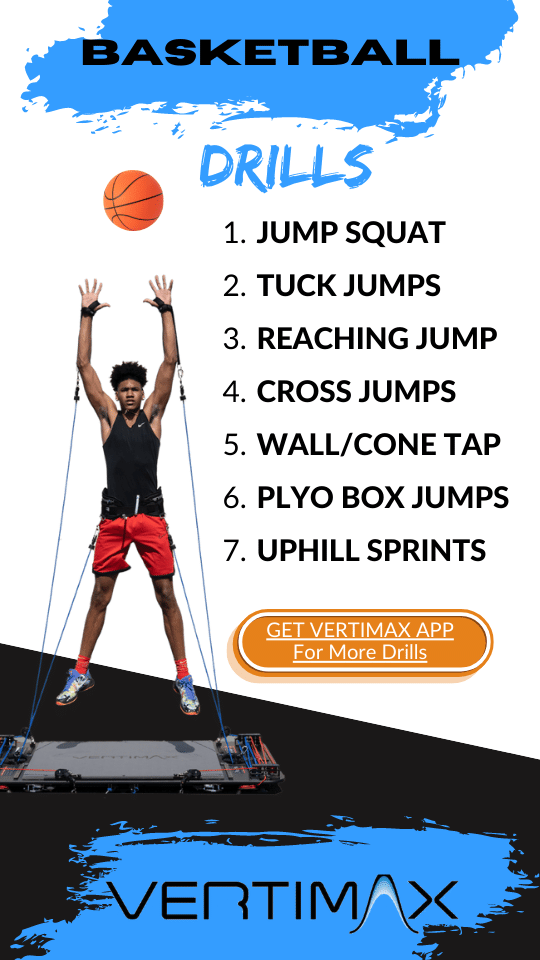
Image Source: f.hubspotusercontent20.net
Maximizing Your Leap: The Core Principles
Want to reach new heights on the court? Increasing your vertical jump isn’t just about genetics; it’s a science. It boils down to developing explosive power, improving your body’s ability to generate force quickly, and refining your jump technique. We’ll explore how to build this power through strength training, plyometrics, and dedicated basketball drills, all while ensuring your body is ready to perform.
The Science of the Spring: How Your Body Jumps
Your vertical jump is a complex movement involving many muscles working together. When you jump, your body stores energy like a spring as you bend your knees and hips. Then, it releases that energy rapidly to propel you upwards. Key muscle groups involved include:
- Quadriceps: The muscles at the front of your thighs. They extend your knees.
- Glutes: Your buttock muscles. They extend your hips.
- Hamstrings: The muscles at the back of your thighs. They help extend your hips and flex your knees.
- Calves: Muscles in your lower legs. They plantarflex your ankles, pushing off the ground.
- Core Muscles: Your abs and lower back. They stabilize your body and transfer force.
Improving the strength and speed of these muscles is crucial for a higher jump.
Building the Foundation: Strength Training for Power
A strong base is essential for a powerful jump. Strength training focuses on building muscle mass and increasing the force your muscles can produce. This translates directly into more power when you jump.
Key Leg Exercises for Vertical Jump Improvement
When focusing on leg strength, certain leg exercises stand out for their effectiveness in developing the muscles needed for jumping.
Squats: The King of Leg Strength
- Why it works: Squats engage your quads, glutes, and hamstrings, building overall lower body strength.
- How to do it: Stand with your feet shoulder-width apart, toes pointing slightly out. Keep your chest up and back straight. Lower your hips as if sitting in a chair, going as deep as you comfortably can while maintaining good form. Push through your heels to return to the starting position.
- Variations:
- Back Squats: Barbell across your upper back.
- Front Squats: Barbell across your front shoulders.
- Goblet Squats: Holding a dumbbell or kettlebell at your chest.
Deadlifts: Powering the Posterior Chain
- Why it works: Deadlifts are fantastic for building strength in your hamstrings, glutes, and lower back – the muscles that drive hip extension during a jump.
- How to do it: Stand with your feet hip-width apart, a barbell in front of you. Hinge at your hips and bend your knees to grip the bar with an overhand or mixed grip, hands slightly wider than shoulder-width. Keep your back straight and chest up. Lift the barbell by straightening your legs and hips simultaneously. Lower the bar by reversing the motion, keeping your back straight.
- Variations:
- Romanian Deadlifts (RDLs): Focuses more on hamstrings and glutes.
- Stiff-Legged Deadlifts: Similar to RDLs but with straighter legs.
Lunges: Unilateral Strength and Stability
- Why it works: Lunges work each leg independently, helping to identify and correct muscle imbalances. They also build strength in your quads, glutes, and hamstrings.
- How to do it: Step forward with one leg, lowering your hips until both knees are bent at approximately 90-degree angles. Ensure your front knee stays behind your toes, and your back knee hovers just above the ground. Push off your front foot to return to the starting position.
- Variations:
- Forward Lunges
- Reverse Lunges
- Walking Lunges
- Lateral Lunges
Calf Raises: Elevating Your Push-Off
- Why it works: Strong calves provide the final push off the ground, adding crucial inches to your jump.
- How to do it: Stand with the balls of your feet on an elevated surface (like a step or weight plate), heels hanging off. Rise up onto the balls of your feet, squeezing your calves. Slowly lower your heels back down.
- Variations:
- Seated Calf Raises: Targets the soleus muscle more.
- Single-Leg Calf Raises: Increases intensity.
Hamstring Curls: Strengthening the Hamstrings
- Why it works: While deadlifts and squats build overall hamstring strength, hamstring curls isolate the hamstrings, improving their ability to contract powerfully.
- How to do it: This is typically done on a machine. Lie face down, with your heels under the roller pad. Curl your legs up towards your glutes, squeezing your hamstrings. Slowly lower the weight back down.
- Variations:
- Seated Hamstring Curls
- Standing Hamstring Curls
- Nordic Hamstring Curls: A challenging bodyweight exercise.
Strength Training Program Considerations
- Frequency: Aim for 2-3 strength training sessions per week, allowing at least one rest day between sessions for muscle recovery.
- Sets and Reps: For building strength and power, focus on lower repetitions (3-6) with heavier weights. For muscle endurance and hypertrophy (muscle growth), moderate repetitions (8-12) with moderate weight can also be beneficial.
- Progression: Gradually increase the weight, reps, or sets over time to continue challenging your muscles.
- Form Over Weight: Always prioritize proper form to prevent injuries. If you’re unsure, consult a qualified trainer.
Unleashing Explosive Power: The Role of Plyometrics
Plyometrics are exercises that involve a rapid stretch and contraction of muscles. This “stretch-shortening cycle” is exactly what happens when you jump. By training your muscles to react faster and more powerfully, plyometrics can significantly boost your vertical leap.
Plyometric Exercises for Basketball Jumpers
Plyometric exercises should be performed with maximum effort and adequate rest between sets to ensure quality and prevent fatigue.
Box Jumps
- Why it works: Teaches you to jump explosively and land softly, improving your ability to absorb force and redirect it upwards.
- How to do it: Stand facing a sturdy box. Squat down slightly, then jump explosively onto the box, landing softly with bent knees. Step back down.
- Progression: Increase box height as you get stronger.
Depth Jumps
- Why it works: This advanced plyometric exercise emphasizes the stretch-shortening cycle. You drop from a height and immediately jump as high as possible upon landing.
- How to do it: Step off a box (start with a low height). As soon as your feet touch the ground, immediately jump as high as you can. Land softly.
- Caution: This is a high-impact exercise. Ensure you have a solid strength base and practice proper landing mechanics before attempting.
Jump Squats
- Why it works: Mimics the upward phase of a jump with added resistance from bodyweight.
- How to do it: Perform a squat, then explode upwards into a jump, landing softly and immediately returning to the squat position for the next rep.
- Progression: Add weight by holding dumbbells or a barbell.
Tuck Jumps
- Why it works: Focuses on bringing your knees up quickly, enhancing hip flexor strength and overall jumping explosiveness.
- How to do it: Jump as high as you can, bringing your knees towards your chest. Land softly.
Broad Jumps
- Why it works: Improves horizontal power, which can translate to more powerful jumping movements.
- How to do it: Stand with feet shoulder-width apart. Swing your arms back and bend your knees, then explosively swing your arms forward and jump as far forward as possible. Land softly.
Plyometric Training Guidelines
- Frequency: 1-2 plyometric sessions per week, ideally on non-consecutive days.
- Volume: Keep repetitions per set low (e.g., 5-10 reps) to maintain maximal intensity.
- Rest: Allow ample rest between sets (e.g., 1-2 minutes) to ensure each jump is maximal.
- Surface: Perform plyometrics on a forgiving surface like grass, a gym mat, or a basketball court to reduce impact.
Refining Your Movement: The Importance of Jump Technique
Even with incredible strength and power, poor jump technique can limit your vertical. Learning to use your entire body efficiently is key.
The Mechanics of a Powerful Jump
A good vertical jump involves a coordinated sequence of movements:
- The Dip (Countermovement): A quick dip down by bending your knees and hips. This loads your muscles like a spring.
- Arm Swing: A powerful upward swing of your arms. This uses your upper body to generate momentum.
- Explosive Extension: Simultaneously extending your hips, knees, and ankles forcefully.
- Ankle Extension (Plantarflexion): The final push off the ground using your calves.
- Landing: Absorbing impact by bending your knees and hips.
How to Improve Your Jump Technique
- Practice Jumping: Simply jumping more helps. Focus on maximizing height with each jump.
- Arm Swing: Ensure your arms swing upwards powerfully and in sync with your leg extension.
- Ankle and Hip Drive: Focus on extending your ankles and hips explosively. Think about driving through the balls of your feet.
- Core Engagement: Keep your core tight throughout the jump to transfer force efficiently.
- Video Analysis: Film yourself jumping and analyze your technique. Compare it to successful jumpers.
Staying in the Game: Conditioning and Recovery
Your ability to jump is also influenced by your overall conditioning and how well you recover.
The Role of Conditioning
Good cardiovascular fitness and muscular endurance allow you to perform at a high level throughout a game and maintain your explosiveness.
- Cardiovascular Training: Running, sprinting, and interval training improve your stamina.
- Agility Drills: Exercises that focus on quick changes of direction enhance your basketball-specific movements.
Recovery: The Unsung Hero
Muscles grow and adapt during rest. Proper recovery is as important as training.
- Sleep: Aim for 7-9 hours of quality sleep per night.
- Nutrition: Fuel your body with a balanced diet rich in protein for muscle repair and carbohydrates for energy.
- Hydration: Drink plenty of water throughout the day.
- Stretching and Mobility: Regular stretching and mobility work can improve your range of motion and prevent injuries.
Putting It All Together: Sample Training Week
Here’s a sample week that balances strength, plyometrics, and basketball-specific work. Remember to adjust based on your current fitness level and listen to your body.
Table 1: Sample Vertical Jump Training Week
| Day | Focus | Activities | Notes |
|---|---|---|---|
| Monday | Strength Training (Lower Body) | Squats, Deadlifts, Lunges, Calf Raises, Hamstring Curls, Core work | Focus on heavy weight, lower reps (3-6). Rest 60-90 seconds between sets. |
| Tuesday | Active Recovery / Light Cardio | Light jogging, swimming, foam rolling, dynamic stretching | Focus on blood flow and muscle recovery. |
| Wednesday | Plyometrics & Jump Practice | Box Jumps, Depth Jumps (low height), Tuck Jumps, Jump Technique Practice, Basketball Drills (layups, jump shots) | Focus on maximal effort for plyos. 1-2 minutes rest between sets. |
| Thursday | Strength Training (Upper Body & Core) | Bench Press, Overhead Press, Rows, Pull-ups, Bicep Curls, Triceps Extensions, Plank variations, Russian Twists | Important for overall athleticism and stability. |
| Friday | Basketball Drills & Conditioning | Full court sprints, defensive slides, transition drills, jump shots from various spots, free throws | Focus on game-specific movements and stamina. |
| Saturday | Rest | Complete rest or very light active recovery like a walk. | Allow your body to fully recover. |
| Sunday | Plyometrics (Lighter) / Skill Work | Jump Squats, Broad Jumps, Practice jump technique, Shooting drills, Ball handling | Focus on technique and controlled power. |
Adapting for Your Needs
- Beginners: Start with lighter weights and fewer sets. Focus on mastering form. Begin with lower plyometric box heights.
- Intermediate: Increase weight, volume, and intensity. Explore more challenging plyometric variations.
- Advanced: Incorporate more complex strength exercises, higher plyometric intensities, and periodize your training for peak performance.
Enhancing Flexibility and Mobility
Good ankle mobility and overall flexibility are crucial for a full range of motion during the jump, which can lead to more power. Tight hips or ankles can restrict your movement and reduce your jumping potential.
Essential Stretches and Mobility Drills
- Ankle Circles: Rotate your ankles clockwise and counterclockwise.
- Calf Stretches: Lean against a wall with one leg back, keeping your heel on the ground.
- Quad Stretches: Pull your heel towards your glutes.
- Hamstring Stretches: Sit with one leg extended and reach towards your toes.
- Hip Flexor Stretches: Lunge forward, keeping your torso upright.
- Dynamic Warm-ups: Include movements like leg swings, arm circles, and torso twists before training.
Frequently Asked Questions (FAQ)
Q1: How quickly can I expect to see results?
A1: While individual results vary, you can typically start noticing improvements in your vertical jump within 4-8 weeks of consistent, targeted training. Significant gains may take several months.
Q2: Do I need to lift weights to jump higher?
A2: While not strictly mandatory, strength training is highly recommended. It builds the foundational strength that plyometrics then convert into explosive power.
Q3: Can I do plyometrics every day?
A3: No, plyometrics are high-impact and require adequate recovery. Doing them too often can lead to injury and hinder progress. 1-2 sessions per week is generally sufficient.
Q4: What is the best time of year to focus on jump training?
A4: You can train for your vertical jump year-round. However, if you’re in-season, you’ll need to adjust intensity and volume to avoid overtraining and impacting game performance. Off-season is often ideal for focused strength and power development.
Q5: How important is nutrition for increasing my vertical jump?
A5: Nutrition is critical. Adequate protein intake is essential for muscle repair and growth, while carbohydrates provide the energy needed for intense workouts. Proper hydration also plays a key role in performance and recovery.
Q6: Are there any specific basketball drills that help with jumping?
A6: Yes, drills that involve repeated jumping, like layups, rebounding drills, and defensive closeouts, can improve your jumping ability in a game context. Focusing on explosiveness during these drills is key.
Q7: What if I have knee pain?
A7: If you experience pain, stop the exercise and consult a medical professional or physical therapist. They can help diagnose the issue and provide appropriate modifications or rehabilitation exercises. It’s crucial not to push through pain.
By incorporating these principles into your training regimen, you’ll be well on your way to reaching new heights on the basketball court. Consistency, dedication, and smart training are your keys to unlocking your full jumping potential.