
In college basketball, a team is in the bonus when they commit a certain number of fouls in a half. When this happens, the opposing team is awarded free throws on most subsequent fouls, even non-shooting fouls. The specific number of fouls required to reach the bonus varies slightly depending on whether it’s the first or second half of the game.
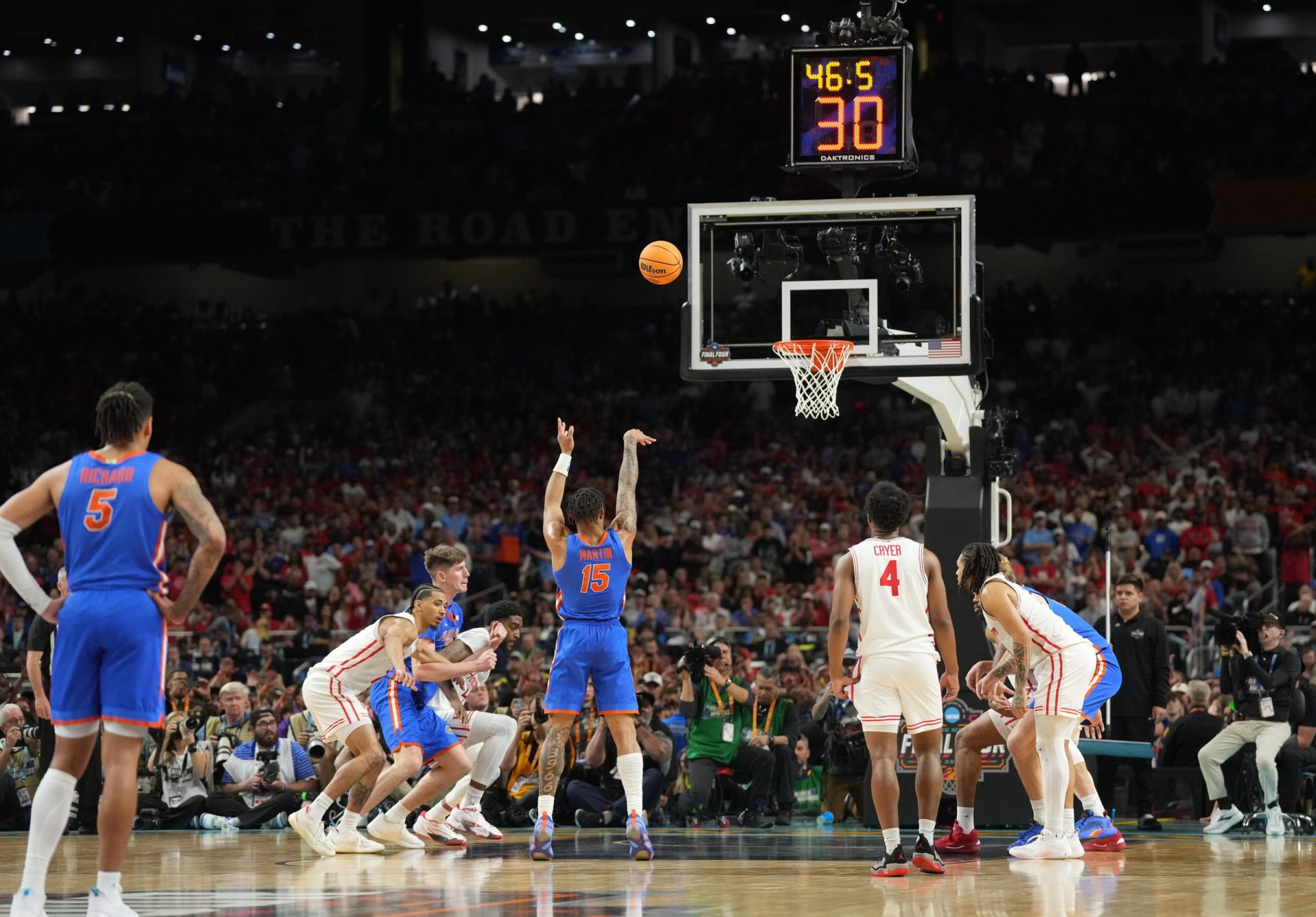
Image Source: collegefootballnetwork.com
Deciphering the Bonus Rule: A Deep Dive
College basketball games are governed by a strict set of rules designed to ensure fair play and an exciting experience for fans. One of the most crucial aspects of these rules revolves around fouls and the resulting bonus situation. Knowing how many fouls trigger the bonus can significantly impact game strategy and your appreciation of the flow of play. Let’s break down exactly how the bonus system works in college basketball.
The Core of the Bonus: Team Fouls
At its heart, the bonus system in college basketball is about team fouls. Unlike individual player fouls, which track how many times a single player breaks the rules, team fouls measure the collective infractions committed by an entire team within a half. Each foul attributed to a player is also counted towards their team’s total for that half. This distinction is vital, as reaching the bonus is a team achievement (or detriment, depending on your perspective).
The Foul Limit: How Many Fouls Trigger the Bonus?
The number of fouls needed to enter the bonus, also known as the foul limit, is set at five team fouls per half. Once a team accumulates their fifth foul in either the first or second half, they are considered to be in the bonus. This means that any non-shooting foul committed by that team thereafter will result in the opposing team shooting one-and-one free throws.
Here’s a simple breakdown:
- Fouls 1-4: These are counted as regular team fouls. No bonus free throws are awarded for these.
- Foul 5: This foul, along with any subsequent fouls in that half, puts the team into the bonus.
The Penalty Situation: What Happens When You’re In The Bonus?
Once a team enters the bonus, the game’s dynamic shifts. The opposing team gains a significant advantage, as most fouls committed by the bonus-bound team will result in free throws. This is the essence of the penalty situation.
There are two primary levels of bonus in college basketball:
The “One-and-One” Bonus: This is the initial stage of the bonus, triggered by the team’s fifth foul in a half. If a player is fouled in a non-shooting situation (e.g., a common foul like an illegal screen or reaching in), they get to shoot one free throw. If they make that first free throw, they get to shoot a second. If they miss the first, the ball is live, and no second shot is awarded.
The “Double Bonus” (or “Two Shots”): This is a more advantageous situation for the fouled team. It occurs when a team commits their seventh foul in a half (or any subsequent foul beyond the sixth). In the double bonus, any player fouled in a non-shooting situation receives two unchallenged free throws, regardless of whether they make the first one.
It’s important to note: The foul count resets at halftime. A team’s foul count begins again at zero for the second half. Overtime periods also have their own separate foul counts.
Types of Fouls and Their Impact on the Bonus
Not all fouls are created equal when it comes to the bonus. While most fouls count towards the team foul total, certain types of fouls have specific implications.
- Shooting Foul: A foul committed against a player in the act of shooting. Regardless of whether the team is in the bonus, a shooting foul always results in free throws. If the shot is made, the player gets one free throw (an “and-one”). If the shot is missed, the player gets two free throws (or three if it was a three-point attempt).
- Common Foul: These are the everyday fouls like reaching in, blocking, pushing, illegal screens, etc. These are the fouls that contribute to the team foul count and trigger the bonus situation.
- Flagrant Foul: A foul deemed to be excessive or unnecessary contact. A flagrant foul (either Flagrant 1 or Flagrant 2) results in possession for the fouled team and free throws for the fouled player. Crucially, flagrant fouls also count towards the team foul total and can contribute to reaching the bonus, but they do not depend on the bonus situation to award free throws.
Tracking Team Fouls: The Scorekeeper’s Role
The scorekeeper is the unsung hero of a basketball game, meticulously tracking every detail, including team fouls. They maintain a running tally of fouls for each team in each half. This tally is typically displayed on the scoreboard or available for coaches and officials to see. Understanding this number is key to grasping when the penalty situation is about to change.
Individual Fouls vs. Team Fouls: The Crucial Difference
It’s essential to differentiate between player fouls and team fouls. A player can commit a maximum of five personal fouls in college basketball before they “foul out” of the game. However, the bonus is triggered by the team’s foul count, not an individual player’s. A team could have multiple players with two or three fouls each, but if the team as a whole has only committed four fouls in a half, they are not yet in the bonus. Conversely, one player could have several fouls, but if the team’s total is below the limit, the bonus isn’t in effect.
Player Fouls and Fouling Out
When a player commits their fifth personal foul, they are disqualified from further participation in the game. This is known as fouling out. While fouling out removes a player from the court, it’s the team that’s affected by the bonus.
Strategic Implications of the Bonus
The bonus rule has significant strategic implications for both teams:
For the Offense:
- Aggressive Driving: When the opposing team is in the bonus, offensive players are often encouraged to drive to the basket aggressively. This increases the likelihood of drawing fouls and getting free throws, which are high-percentage scoring opportunities.
- Drawing Contact: Players may look to draw contact on jump shots or when initiating drives, knowing that even a minor infraction could lead to free throws.
For the Defense:
- Controlled Defense: Teams in the bonus must play much more disciplined defense. They need to avoid unnecessary physical contact. This might mean playing with their hands back and focusing on positioning rather than aggressive steals.
- Avoiding Reaching: Reaching in, a common foul that can lead to bonus free throws, becomes a particularly dangerous move.
- Strategic Fouling (Rare): In very late-game situations, a team that is trailing might intentionally foul to stop the clock and force the opponent to shoot free throws, hoping they miss. However, this is a risky strategy and is only employed under specific circumstances.
When Does the Bonus Reset?
The team foul count resets at the beginning of the second half. Additionally, each overtime period is treated as a new half for the purposes of the bonus. So, if a team accumulated four fouls in the first half and four in the second half, they would start overtime with zero fouls and work their way back up to the bonus threshold.
Summary Table: Bonus Thresholds
To make it crystal clear, here’s a table summarizing the bonus thresholds:
| Half | Fouls 1-4 | Fouls 5 & 6 | Fouls 7+ |
|---|---|---|---|
| First Half | No Bonus | One-and-One Bonus | Double Bonus |
| Second Half | No Bonus | One-and-One Bonus | Double Bonus |
| Overtime | No Bonus (per OT) | One-and-One Bonus | Double Bonus |
Frequently Asked Questions (FAQ)
Q1: What is the team foul limit in college basketball?
A1: The team foul limit is five fouls per half. After committing five fouls in a half, the team is in the bonus.
Q2: How many fouls does it take to get to the double bonus in college basketball?
A2: It takes seven team fouls in a half to reach the double bonus, where the fouled player receives two free throws on any non-shooting foul.
Q3: Do player fouls count towards the team foul total?
A3: Yes, every personal foul committed by a player is also counted towards their team’s total fouls for that half.
Q4: What happens if a foul occurs on a shot attempt when a team is not in the bonus?
A4: If the shot is made, the player gets the basket plus one free throw. If the shot is missed, the player gets two free throws (or three for a three-point attempt). This is not dependent on the bonus.
Q5: Does the bonus rule apply to all levels of basketball?
A5: The bonus rules can vary slightly between different levels of basketball (e.g., NBA, FIBA, high school). This explanation specifically pertains to NCAA (college) basketball.
Q6: Can a team be in the bonus for the entire second half?
A6: Yes, if a team commits five or more fouls in the first half, they will start the second half with zero fouls. However, if they commit fouls early in the second half, they can quickly re-enter the bonus situation.
Q7: What is the difference between a common foul and a flagrant foul regarding the bonus?
A7: Both common fouls and flagrant fouls count towards the team foul total. However, a flagrant foul automatically results in free throws and possession for the opposing team, regardless of whether the team is in the bonus. A common foul only results in free throws if the team is in the bonus (or if it’s a shooting foul).
Q8: How does fouling out affect the bonus?
A8: A player fouling out affects the team by removing a player from the game. However, the player’s fouls still count towards the team’s foul total, potentially bringing the team closer to or into the bonus.
By grasping these nuances of the bonus system, you’ll gain a deeper appreciation for the strategic chess match that unfolds on the college basketball court. Knowing when the penalty situation is in effect allows you to better predict game flow, understand coaching decisions, and truly enjoy the intricacies of the game.