
In basketball, you can take two steps after picking up your dribble or receiving a pass before you must pass, shoot, or begin a new dribble. Taking more than two steps is a violation called Traveling.
Basketball is a game of constant motion, quick decisions, and precise movements. The way players handle the ball is fundamental to the game. This includes how they move with the ball, and crucially, how many steps they can legally take without dribbling. This skill is often tested, and understanding the rules surrounding it prevents costly turnovers and ensures fair play. Many players, from beginners to seasoned professionals, can find themselves in situations where they need to pivot, drive, or evade defenders, all while trying to maintain possession of the ball legally. This is where knowing the exact limits on steps becomes vital.
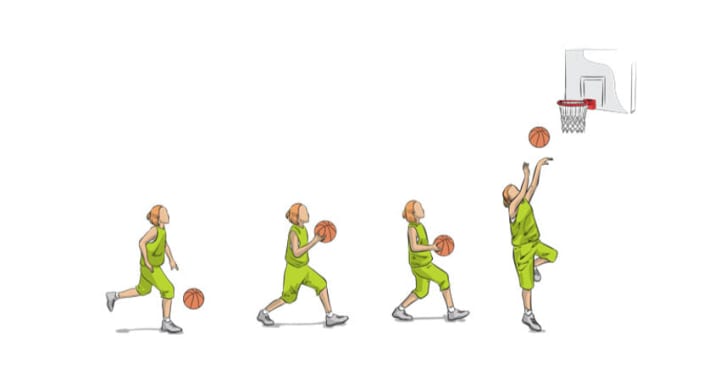
Image Source: res.cloudinary.com
Deciphering the Two-Step Rule
The “two-step” rule is a cornerstone of basketball. It dictates the permissible movement once a player gains possession of the ball without dribbling, or after ending their dribble. This rule is in place to prevent players from simply running with the ball, which would fundamentally alter the nature of the game.
The Start of the Count
The critical element in determining legal steps is when the player gains control of the ball.
- Receiving a Pass: When a player catches a pass, the count of steps begins with the first foot to touch the floor after securing the ball.
- Picking Up a Dribble: If a player is dribbling and then decides to stop, the moment their hand touches the ball to end the dribble, the step count begins.
What Constitutes a Step?
A step is generally considered any movement of a foot from its current position to another. However, in basketball, there are nuances:
- Pivot Foot: A player can establish a pivot foot. This foot must remain in contact with the floor while the other foot moves. If the pivot foot leaves the floor before the ball is released for a pass or shot, it’s a violation.
- Sliding: Sliding a foot without lifting it doesn’t typically count as a step for the purpose of a violation, as long as the pivot foot remains stationary.
Legal Basketball Movements Without Dribbling
Basketball rules allow for specific movements with the ball that don’t involve dribbling, provided the step count is adhered to.
- The Jump Stop: A player can jump and land with both feet simultaneously. After landing, they can establish one foot as a pivot foot and move the other.
- The One-Two Step: This is the most common legal sequence. A player can take one step with one foot, then the other foot, then release the ball. For example, catching the ball, stepping with the left foot, then the right foot, and then passing or shooting.
- Pivoting: Once a pivot foot is established, a player can move the non-pivot foot freely as long as the pivot foot stays in contact with the floor.
Common Violations Related to Steps
Beyond the basic Traveling violation, several other infractions can occur when handling the ball and moving, often related to an illegal number of steps or improper ball handling.
Traveling Explained
Traveling is the most direct violation of the step rule. It occurs when a player moves their feet illegally while holding the ball.
- Taking More Than Two Steps: As stated, exceeding the two-step limit after gathering the ball is traveling.
- Lifting the Pivot Foot: If a player establishes a pivot foot and then lifts it off the floor before releasing the ball for a pass or shot, it’s a travel.
- Dragging the Pivot Foot: While less common, dragging a pivot foot can also be called traveling. The foot must lift and then be placed down, not scuffed or dragged.
Double Dribble and Palming
These violations are related to how a player dribbles, but they are crucial to mention as they often occur in conjunction with movement issues.
- Double Dribble: This happens when a player dribbles the ball with two hands simultaneously, or when they stop dribbling, pick up the ball, and then start dribbling again.
- Palming the Ball: This refers to a player turning their hand under the ball while dribbling, effectively controlling it with their palm. This is also a double dribble violation.
Carrying the Ball
Carrying, sometimes referred to as “protracting” or “illegal use of hands,” is a violation that occurs when a player continues to dribble but the ball comes to rest in their hand during the dribble. The hand must be under the ball for the dribble to be legal. When the hand goes to the side or under the ball, and the dribble continues, it’s a carry. This can happen even within the step count, making it another crucial rule to avoid.
Interpreting the Rules Across Different Leagues
While the core principle of the two-step rule is universal in basketball, there can be minor interpretations and emphasis variations across different leagues and governing bodies.
NBA Rules
The National Basketball Association (NBA) generally adheres to the widely accepted two-step rule. However, the fluidity and athleticism of NBA players can sometimes lead to calls that appear borderline to casual observers. Referees are trained to watch for distinct lifts and placements of the feet that exceed the allowed movement.
FIBA (International Basketball Federation) Rules
FIBA rules are largely consistent with NBA rules regarding steps. A player is allowed two steps after gaining possession. The concept of establishing a pivot foot and the limitations on its movement are also the same.
NCAA (College Basketball) and High School Rules
College and high school basketball follow similar principles to the professional and international games. The two-step rule is strictly enforced. Coaches often drill players on proper footwork to avoid step violation calls.
The Importance of Footwork in Basketball Movements
Mastering footwork is as important as shooting or passing for a basketball player. Efficient and legal footwork allows players to create space, finish at the rim, and make plays for themselves and their teammates.
Creating Space for a Shot or Pass
When a player receives the ball near the basket or under pressure, they often need to create space to shoot or pass. This usually involves a jump stop or a controlled one-two step.
- Jump Stop: Landing with both feet allows a player to be ready to pivot in either direction or to jump for a shot.
- One-Two Step: This sequence allows a player to gain a bit of momentum or distance before passing or shooting.
Driving to the Basket
When driving to the basket, players often use their dribble to get past defenders. However, once they pick up their dribble, the two-step rule comes into play immediately. A successful drive often ends with a layup or dunk that utilizes the legal two steps after the dribble is finished.
Defensive Considerations
Defenders also use their feet to stay in front of offensive players. While this blog post focuses on offensive players, understanding the offensive footwork is crucial for effective defense. Defenders need to anticipate when an offensive player might be attempting to travel.
Avoiding the Step Violation: Drills and Techniques
Players can improve their ability to play within the rules by practicing specific drills.
Dribbling and Gathering Drills
- “Gather and Go”: Players practice dribbling, picking up the ball cleanly, and taking exactly two steps before passing or shooting. This helps to internalize the timing.
- Pivot Drills: Practicing stationary pivots with one foot planted while moving the other helps players understand how to use their pivot foot legally.
Defensive Drills Focused on Stepping
- Mirror Drills: Defenders mirror the offensive player’s movements, emphasizing staying low and reacting to footwork changes without fouling.
The Impact of Fouls and Violations on the Game
Fouls and violations like traveling disrupt the flow of the game and can significantly impact the score.
Turnovers
A traveling violation results in a turnover, giving possession of the ball to the opposing team. This is a direct loss of an offensive opportunity and a gain for the defense.
Momentum Shifts
Frequent violations can break a team’s momentum and build the confidence of the opposition. Consistent adherence to the rules is essential for maintaining control of the game.
FAQ: Frequently Asked Questions About Basketball Steps
Here are some common questions players and fans have about the step rules in basketball.
Q1: Can I take three steps if I’m carrying the ball?
A1: No. Carrying the ball is a separate violation. If you carry and then take three steps, you’ve committed two violations. The key is to avoid any type of illegal ball handling or illegal steps.
Q2: What if I’m falling and I take more than two steps?
A2: Generally, if a player is in the act of shooting or passing and stumbles or falls, referees may allow a bit more leeway to avoid a dangerous situation. However, this is at the referee’s discretion. The intent is to prevent players from gaining an advantage by illegally moving.
Q3: Can I step with my non-pivot foot and then bring my pivot foot to meet it?
A3: Yes, you can step with your non-pivot foot. However, you cannot then lift your original pivot foot and place it down again. You can only slide or pivot on that foot.
Q4: Does the rule change if I’m holding the ball with two hands?
A4: No, the two-step rule applies whether you are holding the ball with one hand or two hands after you have ceased dribbling or received a pass.
Q5: Is there a limit to how long I can hold the ball without dribbling?
A5: While there isn’t a strict “time limit” in most rule sets, holding the ball for an excessive amount of time without making a move can be called a “stalling” violation by some referees, especially if it’s perceived as deliberately slowing down the game without trying to advance it. However, the primary focus is on illegal movement of the feet.
Q6: What is the difference between carrying and palming?
A6: Carrying the ball occurs when the player’s hand is under the ball as they dribble. Palming the ball is a type of carrying where the player turns their hand under the ball. Both are violations, often classified as double dribble in certain contexts, though carrying is a more specific description.
Q7: How many steps can you take after a rebound without dribbling?
A7: The same rule applies. After securing a rebound, you have two steps to pass or shoot. You cannot dribble, take two steps, and then dribble again (that would be a double dribble).
Conclusion
Mastering the rules surrounding movement with the ball is fundamental for any basketball player. The two-step rule, along with prohibitions against carrying the ball and committing double dribble violations, are essential for maintaining the integrity and flow of the game. Understanding these basketball rules ensures players can execute effective basketball movements legally, whether it’s a quick pass, a decisive shot, or a skillful drive. By focusing on proper footwork and adhering to the allowed legal steps, players can avoid costly fouls like traveling and step violation, ultimately contributing to a more enjoyable and successful game. The ability to move efficiently and legally with the ball is a skill that separates good players from great ones, allowing them to navigate the court with confidence and control.