
Want to know how to become a referee for basketball? It’s a rewarding path that requires sharp observation, a solid grasp of the game, and a commitment to fair play. This comprehensive guide will walk you through the essential steps, from initial training to officiating at various levels of play. Whether you’re interested in becoming a youth basketball referee, a high school basketball referee, or even aiming for college basketball referee positions, the journey starts with dedicated preparation and a passion for the sport.
Becoming a basketball official is more than just blowing a whistle; it’s about being the impartial guardian of the game, ensuring every player and team has a fair chance to compete based on the established rules. It’s a role that demands physical stamina, mental acuity, and excellent communication skills. Many people find immense satisfaction in this role, contributing to the integrity and enjoyment of basketball at all levels.
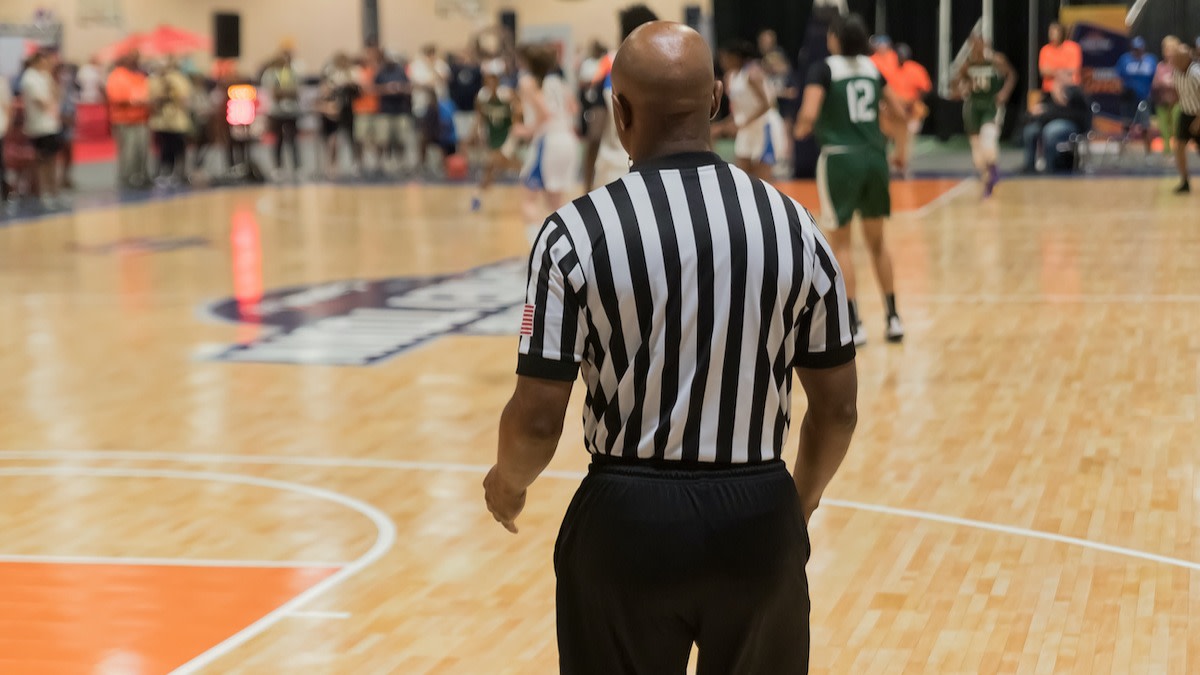
Image Source: images.ctfassets.net
The Foundational Steps to Basketball Officiating
Embarking on a career as a basketball referee begins with a structured approach to learning and development. This involves familiarizing yourself with the core principles of the game and the specific regulations that govern it.
Deciphering the Basketball Rule Book
The basketball rule book is your most critical tool. Different organizations, such as FIBA (International Basketball Federation), NBA (National Basketball Association), and NCAA (National Collegiate Athletic Association), each have their own rule sets. However, the fundamental principles of basketball officiating remain consistent.
- Key Areas to Focus On:
- Violations: Understanding what constitutes traveling, double dribble, out-of-bounds, and other common violations.
- Fouls: Differentiating between personal fouls, technical fouls, flagrant fouls, and unsportsmanlike conduct.
- Scoring: Knowing how points are awarded for field goals and free throws.
- Timing: Grasping the concepts of game clock, shot clock, and timeouts.
- Player and Coach Conduct: Maintaining order and sportsmanship on the court.
It’s essential to obtain the official rule book for the specific level of play you intend to officiate. Many basketball associations offer digital or physical copies.
Essential Referee Training Programs
Referee training is crucial for developing the skills and knowledge needed to officiate effectively. These programs are designed to equip aspiring officials with the practical application of the rules, positioning, signaling, and game management techniques.
- Components of Effective Referee Training:
- Classroom Instruction: Covering the basketball rule book, game scenarios, and ethical conduct.
- Practical Drills: Practicing whistle mechanics, hand signals, and on-court positioning.
- Mentorship: Working with experienced officials who can provide guidance and feedback.
- Video Analysis: Reviewing game footage to identify strengths and areas for improvement.
The quality of referee training can significantly impact your confidence and effectiveness on the court. Seek out reputable programs offered by established organizations.
Pursuing Referee Certification
Referee certification is often a prerequisite for officiating in organized leagues and tournaments. Certification validates your knowledge and competence, demonstrating to leagues and associations that you have met a certain standard of proficiency.
Navigating Referee Certification Processes
The process for obtaining referee certification typically involves several steps:
- Attend a Training Clinic: Many officiating associations host clinics that cover rule interpretation and practical mechanics.
- Pass a Written Exam: This exam tests your knowledge of the basketball rule book.
- Pass a Practical Exam: This usually involves on-court observation and assessment of your officiating skills.
- Meet Age and Physical Requirements: Some certifications may have age or fitness requirements.
Referee certification is not a one-time achievement; it often requires ongoing professional development and re-certification to stay current with rule changes and best practices.
Becoming a Sports Official: A Broader Perspective
Becoming a sports official extends beyond just basketball. The skills you develop as a basketball referee – such as communication, decision-making, and impartiality – are transferable to other sports as well. However, each sport has its unique rules and officiating nuances.
Gaining Experience at Different Levels
The path to becoming a seasoned basketball referee often involves starting at the grassroots level and gradually working your way up.
Youth Basketball Referee
- Entry Point: Officiating youth basketball is an excellent starting point for new referees. Games are typically shorter, the intensity is lower, and the focus is on development and fun for young players.
- Requirements: Often requires basic rule knowledge and a willingness to learn. Many local basketball league requirements for youth referees are less stringent than for higher levels.
- Skills Developed: Whistle control, basic positioning, and communicating with coaches and players.
High School Basketball Referee
- Progression: Once you have gained experience and confidence officiating youth games, the next step is often officiating high school basketball. This level involves more structured competition, adherence to specific state or national high school athletic association rules, and more demanding officiating.
- Requirements: Typically requires more comprehensive referee training and formal referee certification through a recognized basketball referee association. You’ll need to demonstrate a thorough understanding of the basketball rule book and advanced officiating techniques.
- Skills Developed: Advanced positioning, effective communication with multiple referees, managing intense game situations, and applying complex rules.
College Basketball Referee
- Advanced Level: Officiating college basketball, whether at the NCAA or other collegiate levels, represents a significant step up in terms of competition, speed of play, and the level of scrutiny on officials.
- Requirements: Requires extensive experience, advanced referee certification, and often a strong network within collegiate officiating circles. Basketball league requirements for college referees are exceptionally high. Many college officials are recruited from the ranks of experienced high school referees.
- Skills Developed: Exceptional game management, seamless crew coordination, accurate rule interpretation at a high speed, and maintaining composure under intense pressure.
The Role of a Basketball Referee Association
Joining a basketball referee association is highly recommended for anyone serious about basketball officiating. These associations play a vital role in the development and support of referees.
- Benefits of Joining an Association:
- Networking: Connect with experienced officials who can offer mentorship and guidance.
- Training and Education: Access to clinics, workshops, and ongoing professional development.
- Job Opportunities: Associations often assign referees to leagues and tournaments, providing a consistent stream of officiating opportunities.
- Rule Updates: Stay informed about the latest rule changes and interpretations.
- Support System: A community that understands the challenges and rewards of becoming a sports official.
Essential Qualities of a Successful Basketball Referee
Beyond a mastery of the rules, certain personal qualities are indispensable for success in basketball officiating.
Impeccable Judgment and Decision-Making
Referees are constantly making split-second decisions that impact the game. This requires clear thinking, objective analysis, and the ability to apply the rules consistently.
Strong Communication Skills
Effective communication with players, coaches, fellow officials, and scorekeepers is vital. This includes using clear hand signals, vocal cues, and diplomatic language.
Physical Fitness and Stamina
Basketball officiating is physically demanding. Referees need to be able to move effectively on the court, maintain good court coverage, and sustain energy throughout the game.
Unwavering Integrity and Impartiality
A referee’s primary duty is to uphold the integrity of the game. This means being fair and unbiased, regardless of the teams involved or the crowd’s sentiment.
Mental Toughness and Composure
Dealing with criticism from players, coaches, and fans is part of the job. Referees must remain calm, focused, and resilient under pressure.
Equipment and Appearance
While the focus is on skill and knowledge, having the right equipment and maintaining a professional appearance are also important aspects of becoming a sports official.
Essential Referee Gear
- Whistle: A good quality whistle that produces a clear, distinct sound.
- Uniform: Typically black and white striped shirts, black shorts or pants, and black shoes. Specific uniform requirements can vary by league.
- Referee Shoes: Comfortable, supportive shoes designed for court movement.
- Indicator: A device to track the number of fouls and timeouts.
- Card Holder: For penalty cards (if applicable).
Maintaining a neat and professional appearance is crucial for projecting authority and respect on the court.
The Journey of a Basketball Referee: Continuous Improvement
Becoming a basketball referee is a continuous learning process. The game evolves, rules are updated, and every game presents new challenges and learning opportunities.
Seeking Feedback and Mentorship
Actively seek feedback from experienced officials, assignors, and supervisors. Mentorship can provide invaluable insights and accelerate your development.
Self-Reflection and Game Analysis
After each game, take time to reflect on your performance. What went well? What could you have done differently? Analyzing your own officiating helps identify areas for improvement.
Staying Current with Rule Changes
The basketball rule book is periodically updated. It is imperative to stay informed about any changes or clarifications to ensure you are officiating according to the latest standards.
Frequently Asked Questions (FAQ)
Q1: What is the average salary for a basketball referee?
A1: The salary for a basketball referee varies significantly based on the level of play, the league, and the number of games officiated. Youth basketball referees might earn a modest amount per game, while high school referees can earn more, and college and professional referees can earn considerably more. Many referees view it as a part-time or supplementary income source.
Q2: Can I become a referee without playing basketball?
A2: Yes, you can become a referee without having played basketball. While playing experience can provide a valuable perspective, a deep understanding of the basketball rule book, dedicated referee training, and strong observational skills are more critical. Many successful officials come from diverse backgrounds.
Q3: Who is responsible for assigning referees to games?
A3: Typically, a designated assignor or a basketball referee association is responsible for assigning referees to games within a particular league or tournament. They consider factors like referee availability, experience level, and the specific needs of the event.
Q4: What are the physical demands of being a referee?
A4: Basketball officiating requires good cardiovascular fitness, agility, and the ability to move quickly and efficiently across the court. You’ll be on your feet and moving for the entire duration of the game, which can be physically demanding, especially at higher levels.
Q5: How long does it take to become a certified referee?
A5: The time it takes to become a certified referee can vary. It typically involves completing training courses, passing exams, and gaining some initial on-court experience. Some individuals may achieve basic certification within a few months, while becoming a highly experienced official at higher levels can take several years of dedication and continuous learning.
Conclusion: Embracing the Role of a Basketball Official
Becoming a sports official, specifically a basketball referee, is a journey that offers significant rewards. It’s an opportunity to stay connected to the game you love, contribute to its fair play, and develop valuable life skills. By committing to thorough referee training, mastering the basketball rule book, and consistently striving for improvement, you can forge a successful and fulfilling career as a basketball official. Whether you start as a youth basketball referee or aim for the collegiate ranks, the path is accessible with dedication and the right guidance.