
What is a 3-2 zone defense? A 3-2 zone defense in basketball is a defensive formation where three players guard the perimeter (top of the key and wings) and two players guard the area closer to the basket (the paint and baseline). Can I beat a 3-2 zone? Absolutely, and this post will show you how.
Beating a 3-2 zone requires smart play and specific tactics. This defense aims to limit three-point shots and force the offense into the middle of the court, where they can be trapped or contested. However, like any defense, it has weaknesses. We’ll explore how to exploit those weaknesses and score effectively.
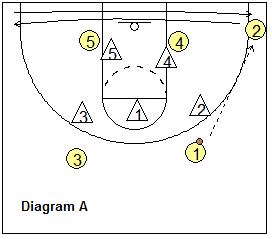
Image Source: cccdn-fe9e.kxcdn.com
Deciphering the 3-2 Zone’s Design
The 3-2 zone is designed to be aggressive on the perimeter. The three top players aim to deny easy passes and close out quickly on shooters. The two players at the bottom are responsible for protecting the paint and rebounding.
Strengths:
- Good at contesting three-point shots.
- Can disrupt passing lanes.
- Puts pressure on the perimeter offense.
- Often effective against teams that rely heavily on outside shooting.
Weaknesses:
- Vulnerable to passes into the “gaps” between defenders.
- Can be susceptible to quick ball movement.
- The short corner area can be a soft spot.
- Rebounding can be a challenge for the top three defenders if they overcommit to closeouts.
Key Strategies for Attacking the 3-2 Zone
To defeat a 3-2 zone, you need a plan. It’s not just about having good players; it’s about how those players work together against this specific defense.
1. Ball Movement and Passing Lanes
The foundation of beating any zone is crisp, quick ball movement. The ball should move faster than the defenders can. Focus on passing the ball to open areas, not just to open players.
Quick Passes to Create Gaps
- Avoid slow, predictable passes. Zip the ball to the next open man.
- Pass ahead of the receiver. This forces the defense to react to a moving ball.
- Use skip passes. These are long, cross-court passes that can stretch the zone and force defenders to move a long distance. A weak side skip pass is particularly effective in pulling defenders out of position.
Exploiting the Gaps
The gaps in a 3-2 zone are the spaces between the defenders. By moving the ball quickly, you can force defenders to shift, opening up these gaps.
High-Low Action: This involves getting the ball to a player in the middle of the zone (often called the high post) and then passing it down to a player closer to the basket.
Entry Pass to the High Post: A guard or wing player can bring the ball up and pass to a big man or athletic wing player positioned at the free-throw line extended area. This player acts as a pivot point.
Options from the High Post:
- Drop it down: Pass to a player cutting into the paint or posting up on the block.
- Shoot: If the defender guarding the high post is slow to close out, this player might have a clear shot.
- Kick out: If two defenders collapse on the high post, this player can kick the ball out to an open shooter on the perimeter.
Overload the Zone: Focus offensive players on one side of the court to pull defenders to that side, creating an advantage on the weak side.
How it works: Have three offensive players on one side of the floor (e.g., one wing, one corner, one player in the high post). This forces the three perimeter defenders and one of the interior defenders to shift over.
The result: This leaves the opposite side of the court vulnerable. A quick pass to that open area, often for a shot or a dribble drive, can be very effective.
2. Penetration and Dribble Drive
While passing is key, dribble penetration is crucial for breaking down a zone. When a defender is forced to step up to stop a dribble drive, it creates opportunities for passes and mismatches.
Attacking the Gaps with the Dribble
- Dribble into the gaps: Guards should look to dribble into the open spaces between defenders. This forces defenders to make decisions: do they step up and leave their assignment, or do they give up the dribble penetration?
- “Gunslinger” Dribble: This refers to dribbling aggressively and looking to pass. When a player drives, defenders will often collapse. The dribbler needs to see who is open and deliver the pass.
Drawing Defenders and Kicking Out
- When a player makes a dribble drive, the adjacent zone defenders will often rotate to stop the penetration.
- The driver’s job is to draw multiple defenders and then pass to an open teammate on the perimeter for a shot or to another player flashing into the open space.
3. Attacking the “Short Corner”
The short corner is the area on the baseline, just outside the paint, on the side opposite the ball. This is often a weak spot in a 3-2 zone because the two interior defenders might be focused on the middle of the paint.
- Entry into the Short Corner: A pass from the wing or the top of the key into the short corner can be very effective.
- Options from the Short Corner:
- Turn and shoot: If the defender is late closing out, a quick turnaround jumper is a good option.
- Pass to the post: The player in the short corner can often see the middle post player for an easy pass.
- Pass to the wing: A skip pass to the opposite wing can open up a shot.
- Drive: A player in the short corner can also put the ball on the floor and attack the basket if the defense collapses.
4. Corner Offense and Spacing
A strong corner offense can create scoring chances. This involves having players in the corners ready to receive passes and make plays.
- Two players in the corners: You can have one player in each corner, with the ball on the wing. This forces the zone defenders to cover a lot of ground.
- “Zipper” Action: A player can curl up from the corner to the high post, creating passing options.
5. Rebounding Position
Even with good offense, missed shots will happen. It’s important to be in good rebounding position to capitalize on second-chance opportunities.
- Crash the Boards: Have players ready to attack the offensive glass.
- Identify Strengths: If you have strong offensive rebounders, use them to your advantage.
- Zone Defense Limitations: The top three defenders in a 3-2 zone can sometimes be out of position for rebounds if they are closing out hard on shooters.
Specific Offensive Sets Against a 3-2 Zone
Here are a few common offensive sets that exploit the 3-2 zone.
Set 1: The Diamond Offense
This is a classic zone-buster.
- Formation:
- One player at the point (top of the key).
- Two players in the wings/high post area.
- Two players in the corners.
- Action:
- Ball starts at the point.
- The two “high post” players flash to the free-throw line area.
- The ball is passed to one of the high post players.
- The opposite corner player cuts towards the basket.
- The high post player has options:
- Pass to the cutting corner player.
- Pass to the open player on the wing.
- Pass to the other high post player.
- Dribble penetration.
Set 2: The 1-3-1 Offense
This formation can also be effective.
- Formation:
- One player at the point.
- Three players across the free-throw line area (two wings, one middle player).
- One player in the corner.
- Action:
- Ball starts at the point.
- Pass to one of the wings.
- The middle player (high post) flashes to the middle.
- The corner player can also flash to the short corner.
- The defense is stretched horizontally.
- Quick passes can exploit mismatches or open shooters.
Set 3: The 2-1-2 Offense
This is a simple but effective way to attack the zone.
- Formation:
- Two guards at the top.
- One player at the high post.
- Two players in the corners.
- Action:
- Ball on the wing.
- The high post player flashes to the middle.
- The opposite corner player can flash to the short corner or stay in the corner.
- This creates options for passes into the paint and kick-outs.
Executing the Strategy: What to Focus On
Beyond the formations, the execution of your offense is paramount.
Table: Key Execution Points
| Skill/Focus | Description | Why it Works Against a 3-2 Zone |
|---|---|---|
| Pass Quality | Crisp, accurate passes that arrive ahead of the receiver. | Prevents defenders from jumping passing lanes and forces them to react. |
| Ball Movement | Quick, decisive passes that move the ball from one side of the court to the other. | Stretches the zone and forces defenders to shift, creating openings. |
| Dribble Awareness | Attacking with the dribble only when there’s an opportunity to create a pass or a shot, not just to dribble. | Draws defenders and opens up passing lanes, but avoid predictable drives into traps. |
| Screening | Setting screens on zone defenders to free up teammates for shots or drives. | Disrupts the zone’s structure and creates temporary advantages. |
| Player Movement | Cutting into open spaces and flashing to the high post or short corner. | Forces defenders to communicate and react, creating confusion and openings. |
| Spacing | Players maintaining good spacing to avoid crowding the ball and give passing angles. | Prevents defenders from guarding multiple players easily and opens up passing lanes. |
| Shot Selection | Taking open shots and not forcing difficult ones. | Exploits the zone’s weaknesses without turning the ball over or settling for bad shots. |
| Communication | Talking on offense to identify open players and defensive shifts. | Crucial for quick decision-making and exploiting defensive breakdowns. |
Handling Pressure
A 3-2 zone can sometimes transition into a trapping defense, especially if the ball is poked away or a player drives too deep without a plan.
- Be ready to receive passes: Have your hands ready and step into passes.
- Dribble with purpose: Avoid loose dribbles in traffic.
- Pass out of traps: If a trap occurs, immediately look for the open player. A quick skip pass is often the best option to break a trap.
Player Roles in Beating the 3-2 Zone
Every player has a role when facing this defense.
Guard Roles
- Ball Handler/Point Guard: The primary decision-maker. Must be able to dribble well, pass accurately, and see the floor. Should look to penetrate or find open teammates.
- Wing Guards: Need to be good shooters and passers. They are often the players receiving skip passes or making entries into the high post or short corner. They must be ready to move without the ball.
Forward/Post Roles
- High Post Player: Often a bigger player or a versatile wing. Must be a good passer and capable of scoring if open. This player is crucial for initiating high-low action.
- Corner Players: These players need to be ready to shoot, cut, or drive from the baseline. Staying active and making good cuts is essential. They also need to be aware of their rebounding position.
Common Mistakes to Avoid
- Holding the ball too long: This allows the zone to recover.
- Dribbling into traffic: This leads to turnovers and forces bad passes.
- Forcing passes through tight lanes: This is an invitation for steals.
- Standing still: Players must be constantly moving to create opportunities.
- Not attacking the short corner: This area is a prime target.
- Poor shot selection: Taking contested shots instead of looking for better options.
FAQ
Q1: What is the best way to start attacking a 3-2 zone?
A1: The best way to start is with quick, crisp ball movement to identify where the gaps are and which defenders are slow to rotate. A pass to the high post or a wing can initiate the offense.
Q2: Should I dribble into the middle of a 3-2 zone?
A2: Yes, but with caution. Dribble penetration into the middle can draw defenders and open up passing lanes. However, avoid driving aimlessly without a plan to pass or score.
Q3: How do I get my best shooters open against a 3-2 zone?
A3: Use ball screens on zone defenders, employ skip passes to get the ball across the court quickly, and ensure your shooters are ready to catch and shoot.
Q4: What if the defense starts trapping my drives?
A4: If a trap occurs, immediately look to pass out of the trap. A weak side skip pass is often the most effective way to break a trap. Ensure your teammates are ready to receive these passes in open space.
Q5: How important is the short corner against a 3-2 zone?
A5: The short corner is extremely important. It’s a soft spot in the zone that can be exploited with passes from the wing or top. Players in the short corner have multiple options: shoot, pass to the post, or drive.
Q6: Can I use post-ups against a 3-2 zone?
A6: Yes, especially if you can get the ball to a player in the high post or have a mismatch in the low post. A player in the short corner can also feed the low post.
By implementing these strategies and focusing on smart execution, you can effectively break down a 3-2 zone defense and create scoring opportunities for your team. Remember, patience and good ball movement are your greatest allies.