
Can you get in basketball shape quickly? Yes, with a focused approach to training and nutrition, you can significantly improve your basketball fitness. This guide will break down exactly how to achieve peak physical condition for the court.
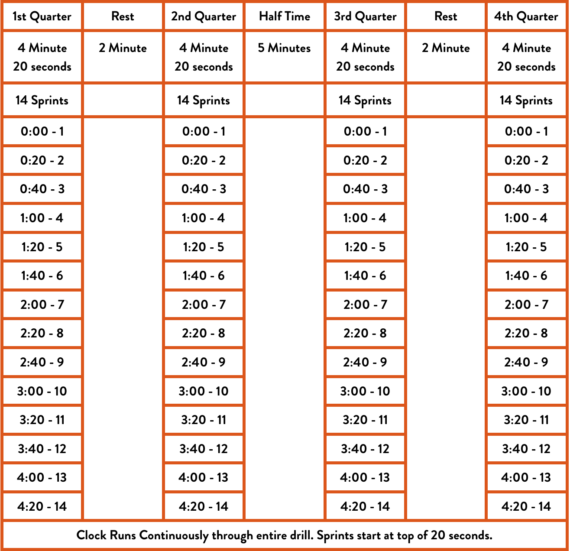
Image Source: pgcbasketball.com
Mastering Basketball Conditioning
Getting in shape for basketball involves more than just running laps. True basketball conditioning focuses on movements specific to the game: explosive sprints, quick changes of direction, jumping, and sustained effort throughout quarters. It’s about building the stamina and power needed to perform at your best for the entire game, not just a few minutes.
Building Cardiovascular Stamina for Basketball
A strong heart and lungs are crucial for cardiovascular training basketball players. You need to be able to keep up the pace for the whole game, without getting winded.
Interval Training: The Game Changer
Interval training mimics the stop-and-start nature of basketball. Alternating between high-intensity bursts and short recovery periods is key.
- Sprinting Intervals: Run at maximum effort for 15-30 seconds, then walk or jog for 30-60 seconds. Repeat for 5-10 rounds. Gradually increase the sprint duration or decrease the rest time.
- Suicide Drills: These court-length sprints with touch-back requirements are excellent for building both speed and endurance. Start with one suicide, rest, and gradually add more.
- Hill Sprints: If you have access to hills, these are fantastic for building explosive power and cardiovascular capacity. Sprint uphill, walk down to recover.
Continuous Running
While intervals are vital, don’t neglect steady-state cardio. Longer runs at a moderate pace help build a solid aerobic base, which is the foundation for all your other training.
- 3-Mile Runs: Aim to complete a 3-mile run at a comfortable, conversational pace 1-2 times per week.
- Fartlek Training: This Swedish term means “speed play.” It involves unstructured bursts of speed mixed into your runs. For example, sprint to the next lamppost, then jog until you feel recovered.
Developing Agility and Quickness
Basketball demands rapid changes in direction, evasive movements, and the ability to react instantly. Agility training basketball focuses on honing these skills.
Cone Drills
Cones are versatile tools for improving footwork and directional speed.
- T-Drills: Set up cones in a “T” shape. Sprint forward, shuffle right, shuffle left, shuffle back to the center, and sprint forward again.
- Pro Agility Drills (5-10-5): Place three cones in a line, 5 yards apart. Start at the middle cone, sprint to one end cone, touch it, sprint to the other end cone, touch it, and then sprint back to the middle.
- Zigzag Drills: Set up cones in a zigzag pattern and weave through them as quickly as possible.
Ladder Drills
Agility ladders are excellent for improving foot speed, coordination, and quick feet. There are countless variations, but focus on drills that emphasize quick, controlled movements.
- Ickey Shuffle: Step in and out of the ladder squares quickly.
- In-Out Drills: Step into each square with both feet, then out again.
Enhancing Explosive Power with Plyometrics
Plyometrics basketball training focuses on explosive movements that increase power and vertical jump height. This type of training uses the stretch-shortening cycle to generate maximum force.
Key Plyometric Exercises
- Box Jumps: Jump onto a stable box, focusing on exploding upwards. Land softly and step down.
- Jump Squats: Perform a squat and then explosively jump upwards.
- Lunge Jumps: Alternate lunges with explosive jumps, switching legs in the air.
- Depth Jumps: Step off a small box, land, and immediately jump as high as possible. This is an advanced exercise and requires a good base of strength.
Important Note: Proper form is paramount with plyometrics. Start with lower repetitions and gradually increase as your body adapts. Always land softly, absorbing the impact through your legs.
Strength Training for Basketball Success
Strength training for basketball is not just about lifting heavy weights; it’s about building functional strength that translates to the court. This means developing power, endurance, and stability.
Compound Movements: The Foundation
These exercises work multiple muscle groups simultaneously, providing the most bang for your buck.
- Squats: Crucial for leg strength, power, and overall athleticism. Variations include back squats, front squats, and goblet squats.
- Deadlifts: Develops posterior chain strength (hamstrings, glutes, lower back), essential for jumping and explosive movements.
- Bench Press: Builds upper body pushing strength, important for finishing at the rim and defense.
- Overhead Press: Develops shoulder strength and stability.
- Pull-Ups/Chin-Ups: Excellent for upper body pulling strength (back and biceps).
Accessory Exercises: Targeting Specific Muscle Groups
These exercises help address weaknesses and further enhance performance.
- Lunges: Improve single-leg strength, balance, and stability.
- Calf Raises: Strengthen the calf muscles, crucial for jumping and quick movements.
- Core Work: Planks, Russian twists, leg raises – a strong core is vital for balance, power transfer, and injury prevention.
- Rotator Cuff Exercises: Strengthening the rotator cuff muscles helps prevent shoulder injuries.
Strength Training Program Considerations
| Phase | Focus | Reps | Sets | Rest Between Sets | Frequency |
|---|---|---|---|---|---|
| Strength | Max Strength | 3-6 | 3-5 | 90-120 seconds | 2-3x/week |
| Power/Hypertrophy | Muscle Growth & Explosiveness | 8-12 | 3-4 | 60-90 seconds | 2-3x/week |
| Endurance | Muscular Endurance | 15-20 | 2-3 | 30-60 seconds | 1-2x/week |
- Periodization: Cycle through different training phases (strength, power, endurance) to avoid plateaus and minimize the risk of overtraining.
- Progressive Overload: Gradually increase the weight, reps, or sets over time to continue challenging your muscles.
Enhancing Basketball Flexibility and Mobility
Basketball flexibility is often overlooked, but it’s critical for range of motion, injury prevention, and overall performance. Good mobility allows you to move freely and efficiently on the court.
Dynamic Stretching: Preparing Your Body
Before every practice or game, engage in dynamic stretches that mimic basketball movements.
- Arm Circles: Forward and backward.
- Leg Swings: Forward and backward, side to side.
- High Knees: Bring knees up towards your chest while jogging.
- Butt Kicks: Bring heels up towards your glutes while jogging.
- Walking Lunges with Torso Twist: Improves hip and core mobility.
Static Stretching: Post-Workout Recovery
After your workout, hold static stretches for 20-30 seconds to improve flexibility and reduce muscle soreness.
- Hamstring Stretch: Sit with one leg extended and reach towards your toes.
- Quad Stretch: Stand and pull your heel towards your glute.
- Calf Stretch: Lean against a wall with one leg back, keeping the heel on the ground.
- Hip Flexor Stretch: Kneel on one leg and push your hips forward.
- Triceps and Shoulder Stretches: Important for shooting and passing.
Building Basketball Endurance: Sustaining Peak Performance
Basketball endurance is the ability to maintain a high level of performance throughout the entire game. This involves both cardiovascular and muscular endurance.
Combining Cardio and Strength
The best way to build basketball endurance is to combine your cardiovascular training with your strength work. Circuit training, where you move from one strength exercise to another with minimal rest, can be very effective.
Game-Specific Conditioning
Simulate game situations in your training.
- Full-Court Drills: Practice dribbling and shooting full-court.
- Scrimmages: Playing actual games or controlled scrimmages is invaluable for building endurance in a game-like context.
- Conditioning Games: Play games with modified rules to emphasize certain aspects, like fast breaks or defensive stops, to increase conditioning intensity.
Fueling Your Body: The Basketball Diet
Your basketball diet plays a massive role in your energy levels, recovery, and overall performance. What you eat directly impacts how well you train and play.
Macronutrient Balance
A balanced intake of carbohydrates, proteins, and healthy fats is essential.
- Carbohydrates: Your primary energy source. Focus on complex carbohydrates like whole grains, fruits, and vegetables. Consume them before and after workouts to fuel and recover.
- Examples: Oatmeal, brown rice, sweet potatoes, bananas, apples.
- Protein: Essential for muscle repair and growth. Include lean protein sources in every meal.
- Examples: Chicken breast, fish, lean beef, eggs, Greek yogurt, beans, tofu.
- Healthy Fats: Important for hormone production and overall health.
- Examples: Avocados, nuts, seeds, olive oil.
Hydration: The Unsung Hero
Dehydration can severely impair performance. Drink water consistently throughout the day, especially before, during, and after training.
- Pre-Game: Drink 16-20 ounces of water 2-3 hours before the game, and another 8 ounces 15-20 minutes before.
- During Game: Sip water every 15-20 minutes.
- Post-Game: Replenish fluids lost through sweat.
Pre-Game Nutrition
Your pre-game meal should be carbohydrate-rich and easy to digest, consumed 2-3 hours before tip-off. Avoid heavy, fatty foods that can sit in your stomach.
Post-Game Recovery Nutrition
Replenish glycogen stores and aid muscle repair with a combination of carbohydrates and protein within 30-60 minutes after the game.
Supplements
While a balanced diet should be the priority, some supplements can be beneficial:
- Whey Protein: For convenient protein intake post-workout.
- Creatine Monohydrate: Can help improve strength and power output.
- BCAAs (Branched-Chain Amino Acids): May help reduce muscle soreness and fatigue.
Always consult with a doctor or registered dietitian before starting any new supplement regimen.
Injury Prevention Basketball: Staying on the Court
Staying healthy is paramount. Injury prevention basketball strategies should be integrated into every aspect of your training.
Proper Warm-up and Cool-down
Never skip your warm-up and cool-down. They prepare your body for activity and aid in recovery.
Listen to Your Body
Don’t push through sharp or persistent pain. Rest and recovery are as important as training.
Gradual Progression
Avoid sudden increases in training intensity or volume. Allow your body time to adapt.
Cross-Training
Engage in activities that complement basketball, such as swimming or cycling, to reduce the impact on your joints and work different muscle groups.
Proper Footwear
Wear supportive basketball shoes that are in good condition to reduce the risk of ankle sprains and other foot-related injuries.
Sleep and Recovery
Adequate sleep is when your body repairs itself. Aim for 7-9 hours of quality sleep per night. Consider active recovery methods like foam rolling.
Basketball Drills for Comprehensive Fitness
Basketball drills can be designed not only to improve technical skills but also to enhance overall physical conditioning.
Ball Handling and Conditioning Drills
- Full-Court Dribbling: Dribble at game speed up and down the court, incorporating crossovers and other moves. Focus on maintaining control while breathing hard.
- Two-Ball Dribbling: This intensifies the conditioning aspect of dribbling. Practice simultaneous dribbling, alternating dribbling, and front-to-back dribbling.
Shooting and Conditioning Drills
- Full-Court Layup/Jumping Drills: Sprint the length of the court, finish with a layup, grab the ball, and sprint back. Repeat multiple times.
- Spot Shooting with Burpees: Shoot from various spots on the court. After each made shot (or miss, depending on the variation), perform a set number of burpees before moving to the next spot.
Defensive Conditioning Drills
- Defensive Slides: Practice sliding laterally across the court, staying low and balanced. Make it a conditioning drill by performing continuous slides for a set duration or distance.
- Closeout Drills: Simulate closing out on a shooter. Sprint towards an imaginary player, chop your feet to maintain balance, and have your hands up. Combine this with sprints.
Putting It All Together: A Sample Weekly Plan
This is a general template; adjust it based on your experience level, access to facilities, and individual needs.
Monday:
* Morning: Cardiovascular Training (Intervals or Fartlek)
* Afternoon/Evening: Strength Training (Lower Body Focus) + Flexibility
Tuesday:
* Morning: Agility and Plyometrics Training
* Afternoon/Evening: Basketball Drills (Ball Handling & Shooting Focus)
Wednesday:
* Active Recovery (Light cardio, stretching, foam rolling) or complete rest.
Thursday:
* Morning: Cardiovascular Training (Steady-State or Shorter Intervals)
* Afternoon/Evening: Strength Training (Upper Body & Core Focus) + Flexibility
Friday:
* Basketball Drills (Defensive Focus & Game Situations) or Light Scrimmage
Saturday:
* Scrimmage or Game Day. Focus on applying conditioning and skills.
Sunday:
* Rest and Recovery. Light stretching or foam rolling if desired.
Frequently Asked Questions (FAQ)
Q1: How long does it take to get in basketball shape?
A1: With consistent effort and a well-structured plan, you can see significant improvements in 4-6 weeks. However, reaching peak basketball shape is an ongoing process that requires continuous training and dedication.
Q2: Do I need to lift weights to get in basketball shape?
A2: While not strictly mandatory, strength training is highly recommended. It builds the power, explosiveness, and resilience necessary for basketball, and significantly aids in injury prevention.
Q3: What if I don’t have access to a gym?
A3: You can achieve excellent basketball fitness with bodyweight exercises, resistance bands, and access to a basketball court. Focus on sprints, agility drills, plyometrics using your body weight, and fundamental strength exercises like squats and push-ups.
Q4: How important is nutrition for basketball fitness?
A4: Nutrition is incredibly important. It fuels your workouts, aids in recovery, and impacts your energy levels and overall performance. A balanced diet rich in complex carbohydrates, lean proteins, and healthy fats is crucial.
Q5: How do I avoid getting injured while training?
A5: Prioritize proper warm-ups and cool-downs, listen to your body and rest when needed, gradually increase training intensity, maintain good form during exercises, and ensure adequate sleep and recovery.