
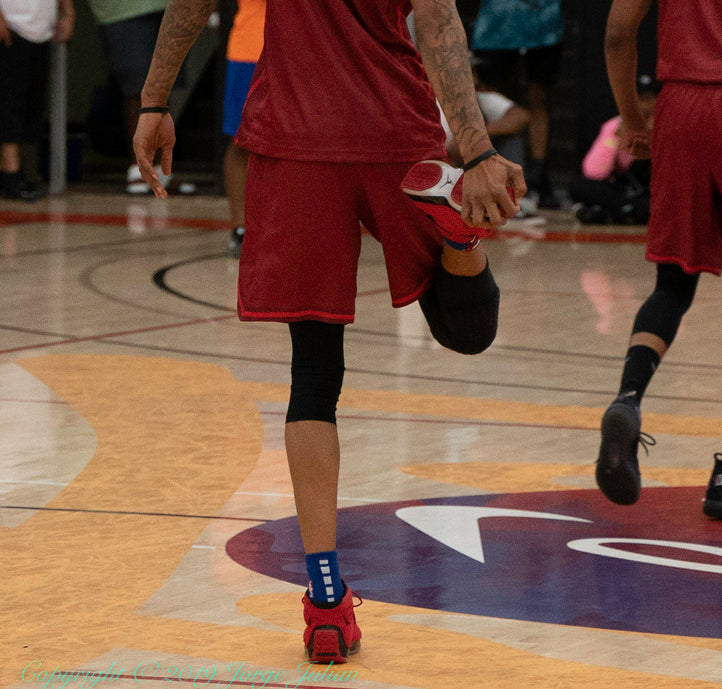
Image Source: gripspritz.com
Why Do Basketball Players Rub The Bottom Of Their Shoes? Get Grip
Basketball players rub the bottom of their shoes primarily to enhance their grip and improve court traction. This action helps achieve better floor adhesion, preventing slips and providing greater foot stability.
Basketball is a game of quick stops, sharp turns, and explosive jumps. Every movement requires a secure connection between a player’s shoes and the court. Without this connection, players are prone to slipping, losing balance, and even suffering injuries. That’s why you often see players, during breaks in the action, bending down to rub the soles of their shoes on the court. This seemingly simple act is a crucial part of maintaining optimal performance. It’s all about getting that essential grip enhancement.
The Science Behind the Squeak: More Than Just Noise
That distinctive squeaking shoes sound isn’t just a sign of a good game; it’s a direct indicator of how well your shoes are interacting with the court. The squeak happens when the rubber of your shoe sole creates enough friction with the court surface to momentarily stick and then release. When players rub their shoes, they are essentially cleaning off any dust or debris that might have accumulated on the shoe soles. This debris can act as a barrier, reducing the direct contact between the rubber and the court. By removing it, players expose the fresh, grippy rubber compound of their shoes, leading to increased friction increase and therefore, better floor adhesion.
Why Grip is King in Basketball
Imagine trying to cut hard to the basket or explode off a screen if your feet were sliding out from under you. It would be nearly impossible. Court traction is fundamental to a basketball player’s ability to:
- Accelerate and Decelerate: Quickly changing speed requires pushing off the court. Good grip allows for powerful acceleration and controlled, rapid stops.
- Change Direction: Pivoting, cutting, and sidestepping all depend on being able to anchor your feet and rotate effectively. Slipping during these movements leads to lost opportunities and potential injuries.
- Jump and Land: Vertical leaps and the subsequent landings are stressful on the body. A secure base provided by good traction helps absorb impact and maintain balance.
- Maintain Balance: Even during simple movements like dribbling or defending, players need to stay balanced. Good grip contributes significantly to foot stability.
Without adequate grip, a player’s entire game is compromised. Their ability to execute fundamental skills is diminished, and their risk of injury skyrockets. This is why preventing slips is paramount, and the shoe-rubbing ritual plays a vital role in achieving that.
What’s on Those Soles? The Technology of Traction
Modern basketball shoes are designed with advanced rubber compound formulations. These compounds are specifically engineered to provide optimal grip on indoor court surfaces. The patterns and grooves on the shoe soles also play a critical role. These intricate designs are meant to channel away dust and debris, maximizing the contact area between the rubber and the court.
However, even the best-designed shoe soles can become compromised by the accumulation of microscopic dust particles, sweat, and wear. When these substances build up, they create a slick surface, negating the engineered grip.
Common Materials in Basketball Shoe Soles:
| Material | Properties | Benefits for Traction |
|---|---|---|
| Natural Rubber | Soft, sticky, excellent grip, but can wear down quickly. | Provides superior floor adhesion and grip enhancement. |
| Synthetic Rubber | More durable than natural rubber, offers good grip, can be compounded. | Balances durability with good court traction. |
| Carbon Rubber | Very durable, often used in high-wear areas. | Increases longevity while maintaining decent grip. |
| Gum Rubber | Often found in classic basketball shoes, known for its sticky feel. | Offers exceptional grip enhancement, especially on clean courts. |
The specific combination and formulation of these rubber compounds, along with the tread pattern, are proprietary secrets of shoe manufacturers, all aiming to achieve that ideal friction increase.
The Act of Rubbing: A Practical Application of Physics
When a player rubs the bottom of their shoes on the court, they are engaging in a simple yet effective method to increase friction increase. Here’s a breakdown of what’s happening:
- Debris Removal: The most immediate effect is cleaning the shoe soles. Dust, dirt, sweat, and court floor finish particles can embed themselves into the micro-grooves of the rubber. Rubbing physically dislodges these particles.
- Exposing Fresh Rubber: By removing the surface layer of grime, the player exposes the virgin rubber compound of the shoe. This fresh rubber has a higher potential for grip.
- Heating the Rubber (Minor Effect): While not the primary reason, the friction generated during rubbing can slightly warm the rubber. Warmer rubber can sometimes become stickier, further contributing to grip enhancement.
- Creating a “Sticky” Surface: The combination of cleaned rubber and a slight warmth can create a more “sticky” surface, leading to better floor adhesion.
This ritual is a proactive measure to ensure their equipment is performing at its peak. It’s a small action that can lead to a significant performance boost.
When and Why the Shoe Rubbing Happens
You’ll typically see players rubbing their shoes at specific moments:
- Before Free Throws: This is a moment of relative stillness, allowing players to prepare mentally and physically for their shot. Ensuring good footing is crucial for a stable shooting platform.
- During Stoppages in Play: Timeouts, fouls, or out-of-bounds situations provide opportunities to re-establish their grip.
- After Making a Sharp Cut or Quick Stop: If a player feels their shoes lose a bit of traction during a play, they might rub their soles on the next available opportunity.
The goal is always to maintain that consistent level of court traction. If a player feels their shoes are “slipping” more than usual, they will likely perform this action more frequently.
The Impact on Performance: A Small Action, Big Results
The ability to move confidently and without hesitation directly translates to a player’s effectiveness on the court.
- Offensive Plays: Players can drive to the basket with more force, make sharper cuts to get open for passes, and execute crossovers with greater explosiveness when they know their feet will stick.
- Defensive Plays: Staying in front of an offensive player requires rapid lateral movements. Good traction allows defenders to mirror their opponent’s moves without getting caught off balance. Recovering quickly after a false move is also made possible by secure footing.
- Jumping and Rebounding: Reaching for rebounds often involves boxing out and then exploding upwards. The initial push-off and the stability during the jump are critical for maximizing vertical leap.
- Preventing Injuries: Perhaps the most significant benefit is preventing slips. A slip on a basketball court can lead to sprained ankles, knee injuries, or even more severe trauma. By ensuring good court traction, players are actively reducing their risk of such injuries.
This constant attention to their footwear’s interaction with the court is a testament to how finely tuned athletes are to every detail that contributes to a performance boost.
What About the Squeak?
While the squeak is often associated with good grip, it’s not always the sole indicator. A worn-out shoe might squeak due to a lack of grip, while a brand-new shoe with a superior rubber compound might not squeak as much but offer better floor adhesion. The rubbing action, however, aims to restore or maintain the optimal conditions for that squeak – a sign that the rubber is making good contact.
Factors Affecting Grip: Beyond the Shoe Rub
While rubbing the bottom of the shoes is important, it’s not the only factor influencing court traction. Several other elements come into play:
- Court Surface Conditions: The type of wood used, the finish applied, and how clean the court is all have a significant impact. A dirty or overly polished court will reduce traction regardless of how clean your shoe soles are.
- Sweat: A player’s own sweat can also make the court surface slick, affecting both their own grip and that of opponents.
- Shoe Wear: Even the best rubber compound will degrade over time. As the tread pattern wears down and the rubber loses its elasticity, grip will naturally diminish.
- Environmental Factors: Humidity and temperature can subtly affect the grip of shoe soles.
Therefore, while players meticulously rub their shoes, they are also relying on the court’s condition and the inherent quality of their footwear.
Can I Rub My Shoes on Any Surface?
Generally, no. The shoe-rubbing technique is specifically for indoor basketball courts, typically made of polished wood. Rubbing your shoes on other surfaces like concrete, asphalt, or outdoor courts can be detrimental.
- Damage to Shoe Soles: Outdoor surfaces are abrasive and will quickly wear down the specialized rubber compound designed for indoor play.
- Ineffectiveness: Rubbing on a dirty or rough surface won’t clean the shoe soles in the way it does on a smooth court.
- Potential for Injury: Rubbing on a slippery surface might even create a false sense of security, increasing the risk of a slip.
Stick to rubbing your shoes on clean, indoor basketball courts to maintain your grip enhancement.
What is the Best Way to Clean Your Shoe Soles for Grip?
Beyond simply rubbing, here are more thorough methods to keep your shoe soles clean and maximize floor adhesion:
- Use a Damp Cloth: A slightly damp cloth can be very effective at wiping away dust and grime from the shoe soles.
- Specialized Grip Wipes: Some products are designed specifically for cleaning basketball shoe soles, offering a safe and effective way to remove buildup.
- Avoid Water: While a damp cloth is okay, submerging your shoes or using excessive water can damage the adhesives and materials, compromising the shoe’s integrity and its grip enhancement capabilities.
- Carry a Brush: A small, soft-bristled brush can help dislodge stubborn debris from the tread patterns.
The goal is to clean the sole without damaging the rubber compound or the shoes themselves.
The Psychology of the Rub: Confidence and Control
Beyond the purely physical benefits, the act of rubbing one’s shoes can have a psychological impact. It’s a ritual that players use to regain a sense of control and confidence in their equipment. When a player feels their shoes are providing optimal court traction, they can play with more aggression and less hesitation. This mental assurance is a crucial, though often overlooked, aspect of performance boost.
Historical Context: A Timeless Practice
The need for grip enhancement in sports isn’t new. Athletes throughout history have sought ways to improve their footing. While the materials and designs of shoes have evolved dramatically, the fundamental principle of maintaining a secure connection with the playing surface remains constant. The simple act of rubbing shoes is a direct descendant of these historical practices, adapted for the modern game and its specialized footwear.
How Often Should Players Rub Their Shoes?
There’s no strict rule, but it’s generally done when a player feels a noticeable reduction in grip. This can be after a series of quick movements, if the court seems particularly dusty, or simply as a habitual action during breaks. It’s a continuous effort to maintain consistent court traction throughout the game.
The Evolution of Shoe Technology and Traction
Basketball shoe technology has advanced exponentially. Manufacturers are constantly experimenting with new rubber compound formulations, tread patterns, and sole constructions to optimize floor adhesion and grip enhancement.
- Multi-directional Traction Patterns: Modern soles often feature complex patterns designed to provide grip in all directions, crucial for the dynamic movements in basketball.
- Sticky Rubber Compounds: Brands are developing “sticky” rubber compounds that offer exceptional grip enhancement without sacrificing durability.
- Zonal Traction: Some shoes are designed with different rubber compounds in different areas of the sole, optimizing grip for specific movements like pivoting or jumping.
These advancements mean that the need for cleaning and maintaining the soles is as important as ever to unlock the full potential of these high-tech shoes.
FAQs
Q: Does rubbing your shoes actually help increase grip?
A: Yes, rubbing the bottom of your basketball shoes helps clean the shoe soles of dust and debris, exposing the rubber compound and increasing friction increase for better court traction and floor adhesion.Q: Why do basketball shoes squeak?
A: The squeaking shoes sound happens when the rubber of the sole creates enough friction with the court surface to momentarily stick and release, indicating good court traction.Q: What is the best way to maintain grip on basketball shoes?
A: Regularly clean your shoe soles with a damp cloth or specialized cleaner, and perform the rubbing action on the court to remove debris and maintain grip enhancement.Q: Can I use my basketball shoes for outdoor courts?
A: It’s not recommended. Outdoor surfaces are abrasive and will quickly wear down the specialized rubber compound designed for indoor court traction.Q: Does the type of rubber compound matter for grip?
A: Absolutely. Different rubber compound formulations offer varying levels of grip and durability, all contributing to floor adhesion and grip enhancement.Q: Is rubbing shoes just a superstition?
A: While it can become a habit or ritual, it has a genuine physical basis in cleaning the soles and improving friction increase, contributing to foot stability and preventing slips.Q: What happens if I don’t maintain grip on my shoes?
A: You risk slipping, reduced agility, decreased performance boost, and an increased chance of injury due to poor foot stability.
In conclusion, the simple act of a basketball player rubbing the bottom of their shoes is a practical application of physics and a crucial maintenance step. It’s about ensuring their footwear provides the maximum possible grip enhancement, optimal court traction, and ultimately, the foot stability needed to perform at their best, all while preventing slips. It’s a small gesture that underpins countless successful plays and contributes significantly to a player’s overall effectiveness and safety on the court.