
Do basketball players touch the bottom of their shoes for luck? Yes, many players do this as a form of superstition or a pre-game ritual to bring them good fortune. This action, often referred to as shoe tapping, is a common sight in the world of basketball.
The act of basketball players touching the bottom of their shoes is a fascinating glimpse into basketball psychology and the deeply ingrained nature of player habits. It transcends a simple action, delving into the realm of superstition, pre-game rituals, and the human need for control in high-stakes environments. This seemingly small gesture, this hand-to-shoe contact, is one of many common basketball traditions that add a layer of mystique and personality to the game.
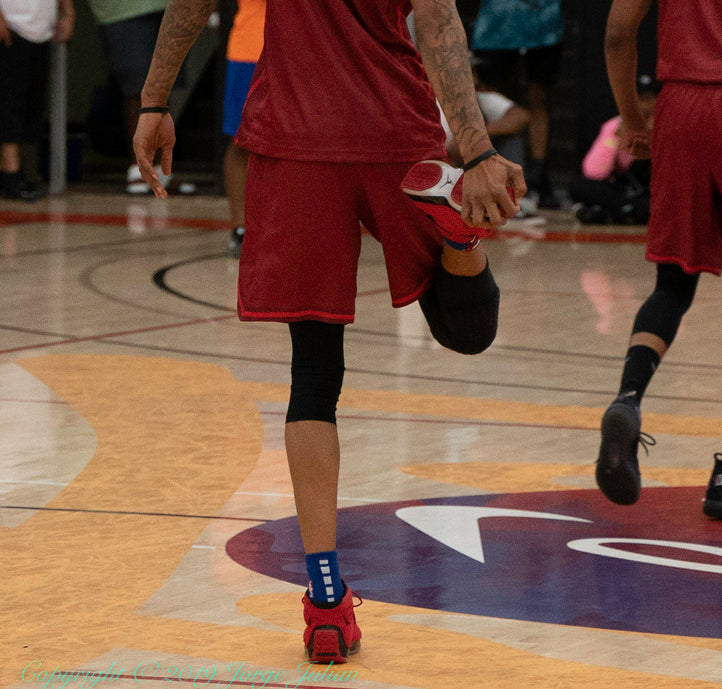
Image Source: gripspritz.com
The Psychological Foundation: Why We Seek Comfort in Rituals
At its core, touching the bottom of one’s shoe is a ritual. Humans are creatures of habit, and rituals, whether grand or small, provide a sense of order and predictability. In the chaotic and often unpredictable world of professional sports, these rituals become anchors.
- Sense of Control: Athletes face immense pressure. They can train tirelessly, but the outcome of a game can be influenced by countless external factors – a bad bounce, a referee’s call, or an opponent having an exceptional day. Touching their shoe, or engaging in any pre-game routine, offers a small measure of control over a situation that is largely out of their direct control. It’s a tangible action they can perform to feel prepared.
- Reducing Anxiety: The anticipation before a big game can be overwhelming. Rituals can serve as a distraction from anxious thoughts and help players focus. The familiar, repetitive nature of a pre-game ritual can calm nerves and bring a sense of normalcy amidst the adrenaline.
- Building Confidence: For many, these actions are linked to past successes. If touching their shoe preceded a great performance, they might associate the action with good luck or a heightened state of play. This perceived connection can boost their confidence going into another game. It becomes a lucky charm, a personal talisman.
The Evolution of a Common Basketball Tradition
The specific origin of touching the bottom of shoes is difficult to pinpoint, as is the case with many superstitions. However, we can trace the underlying principles to ancient practices. Throughout history, athletes and warriors have employed rituals to appease gods, ward off evil, or simply to psych themselves up. In modern sports, these practices evolve into more personal, internalized rituals.
The sheer visibility of basketball, with its close-ups and focus on individual players, amplifies the observation of these unique habits. What might be a private ritual for someone in another profession becomes a public spectacle in sports.
The Shoe Tap: A Visible Manifestation of Inner Focus
The act of touching the bottom of the shoe specifically might be influenced by the equipment itself. Shoes are fundamental to a basketball player’s performance. They provide grip, support, and are the direct interface with the court.
- Grounding and Connection: Touching the sole of the shoe can be seen as a way to connect with the ground, with the very surface where their skills are executed. It’s a physical grounding before taking flight.
- Checking for Readiness: In a less superstitious view, some might argue it’s a final, subconscious check of their footwear. Are the laces tied correctly? Is there any debris stuck to the sole that could affect traction? While likely not the primary driver, this practical consideration might blend with the ritualistic.
- A Mark of Individuality: Each player’s pre-game routine is unique. This simple act of shoe tapping becomes a personal signature, a small identifier that distinguishes them. It’s part of their individual player habits.
Why Not Just One Player? The Contagion of Superstition
If one player on a team starts a ritual and experiences success, others may begin to emulate it. This phenomenon is known as “social contagion” of superstition. It’s not necessarily about believing in the superstition itself, but rather about fitting in, camaraderie, and the “if it ain’t broke, don’t fix it” mentality.
- Team Cohesion: Observing and participating in similar pre-game rituals can foster a sense of unity and shared purpose within a team. It’s a collective preparation.
- Fear of the Unknown: Conversely, if a player stops doing a ritual that was previously associated with success, they might fear that breaking the pattern will bring bad luck. This fear can be a powerful motivator to continue the practice.
The Spectrum of Superstitions in Basketball
Touching the bottom of the shoe is just one example. Basketball is replete with peculiar and fascinating player habits and superstitions.
- Specific Warm-up Routines: Performing certain dribbling drills, shooting sequences, or stretching routines in the exact same order every time.
- Wearing Specific Items: Wearing the same socks, headband, or even an undershirt for consecutive games, especially if they are on a winning streak. This is where the idea of a lucky charm truly comes into play.
- Pre-Game Meals: Eating the same meal or avoiding certain foods before games.
- Pre-Game Music: Listening to a specific playlist or song to get into the right mindset.
- Unusual Physical Actions: Bouncing the ball a specific number of times before shooting, or performing a particular handshake with teammates.
The hand-to-shoe contact falls squarely into the category of these subtle, yet significant, personal actions that help athletes navigate the mental landscape of competition.
Case Studies: Iconic Players and Their Quirks
While specific confirmation of every player’s motivation is rare, observing patterns in high-profile athletes offers insight. Many stars are known for their elaborate pre-game routines.
Consider players like Michael Jordan, who famously wore his University of North Carolina shorts under his Chicago Bulls uniform. While not directly related to shoes, it highlights the depth to which athletes can embed superstitions into their game. If Jordan believed his shorts offered a mental edge, it’s not a stretch to imagine other players finding similar comfort in actions like shoe tapping.
LeBron James is also known for his meticulous pre-game routine, which includes various stretches, visualization, and often, moments of quiet reflection. While he might not be as overtly known for shoe tapping, the underlying principle of ritualistic preparation is undoubtedly present.
Table: Common Pre-Game Rituals Observed in Basketball
| Ritual Type | Examples | Psychological Benefit |
|---|---|---|
| Physical Actions | Touching shoe bottoms, bouncing ball, specific stretches, dribbling drills | Sense of control, focus, grounding |
| Attire/Accessories | Wearing lucky socks/headbands, specific undershirts | Association with success, comfort, superstition |
| Dietary Habits | Eating the same meal, avoiding certain foods | Consistency, feeling prepared, avoiding perceived bad luck |
| Mental Preparation | Visualization, listening to music, meditation | Anxiety reduction, focus, confidence building |
| Team-Based Actions | Specific handshakes, team huddles, synchronized movements | Team cohesion, shared purpose, belonging |
The Science vs. The Superstitious: Is it Effective?
From a purely scientific standpoint, touching the bottom of your shoe has no inherent effect on a basketball player’s physical performance. It won’t magically improve their jump shot or increase their speed. However, the impact on their mental state is undeniable.
- Placebo Effect: The belief that an action will work can actually make it work. If a player believes that touching their shoe will bring them good luck and improve their focus, their psychological state might genuinely shift, leading to better performance. This is the power of the placebo effect at play.
- Channelling Nervous Energy: High-level competition generates significant nervous energy. Rituals like shoe tapping can act as a conduit, helping players channel that nervous energy into productive focus rather than letting it manifest as anxiety or distraction.
The key is that these player habits are not about magical thinking alone; they are about creating a mental framework that supports peak performance. They are a form of self-regulation.
The Ethics and Perception of Superstition in Sports
While generally harmless, superstitions can sometimes become problematic if they lead to obsession or if a player feels genuinely distressed by breaking a ritual. However, in most cases, these are benign quirks that add to the human element of sports.
- Individual Expression: These rituals are often deeply personal. They reflect the individual’s journey, their beliefs, and their methods of coping with pressure.
- Fan Engagement: For fans, these quirks make athletes more relatable and human. They create talking points and add to the narrative of the game.
The act of shoe tapping is a silent, yet profound, communication of a player’s internal state and their approach to the game. It’s a subtle nod to the mental game that runs parallel to the physical one.
Dispelling the Myths: It’s More Than Just “Luck”
While “luck” is often the term used, it’s a simplification. The underlying reasons are rooted in psychology and the human desire for control and comfort.
- It’s About Preparation: For many, the ritual is a final check, a moment to mentally prepare and engage.
- It’s About Routine: Consistency breeds comfort. Sticking to a pre-game routine helps create a predictable environment.
- It’s About Belief: Players often believe that these actions help them. This belief itself is a powerful performance enhancer.
The hand-to-shoe contact is a small, yet significant, part of a much larger tapestry of player habits that define how athletes approach their craft.
Frequently Asked Questions (FAQ)
Q1: Why do basketball players touch the bottom of their shoes?
A1: Basketball players touch the bottom of their shoes primarily as a superstition or a part of their pre-game ritual. It helps them focus, reduces anxiety, and gives them a sense of control in high-pressure situations. Some may also believe it brings them good luck.
Q2: Is touching the bottom of their shoes a universal superstition in basketball?
A2: No, it is not universal. It is a common basketball tradition and a widely observed behavior among many players, but not all players engage in this specific action. Many players have their own unique player habits and superstitions.
Q3: Can touching the bottom of my shoes improve my basketball game?
A3: While the act itself doesn’t directly improve physical skills, adopting a pre-game ritual that includes actions like shoe tapping can help you mentally prepare, focus, and manage nerves, which can indirectly lead to better performance through the placebo effect and improved concentration.
Q4: Is it considered bad luck if a player doesn’t touch the bottom of their shoes?
A4: For players who consider it a ritual, not doing it might cause them to feel like it’s bad luck or that they are not fully prepared. For those who don’t adhere to it, it holds no significance. It depends entirely on the individual player’s beliefs and basketball psychology.
Q5: Are there other common superstitions basketball players have?
A5: Yes, there are many. Other common superstitions include wearing the same socks for every game, performing specific warm-up routines in a certain order, eating the same pre-game meal, or listening to a particular song before taking the court. These are all examples of how players manage their mental game and create a sense of normalcy through pre-game routines.